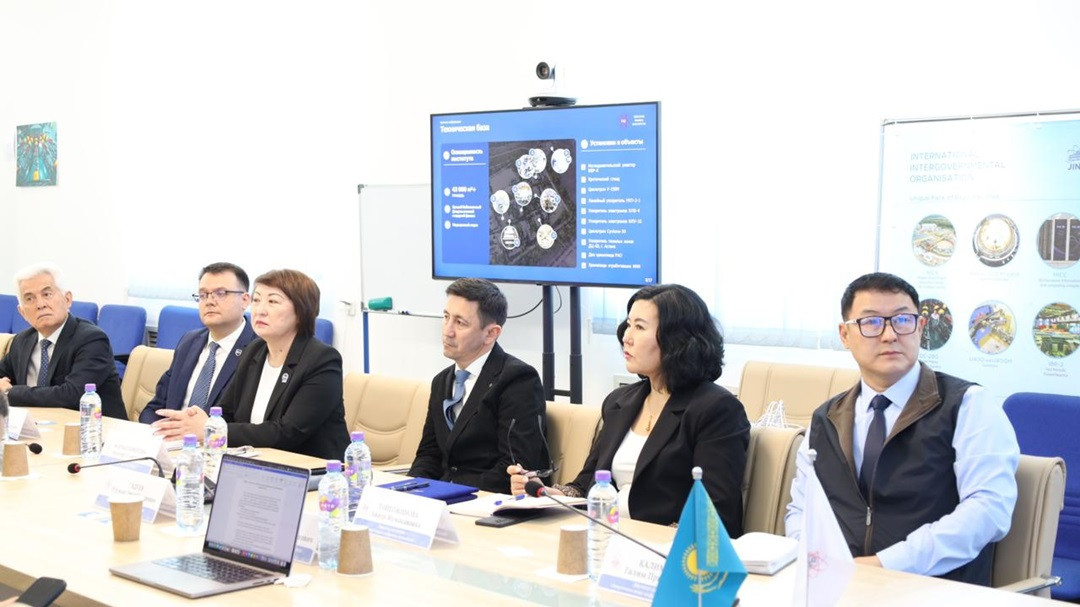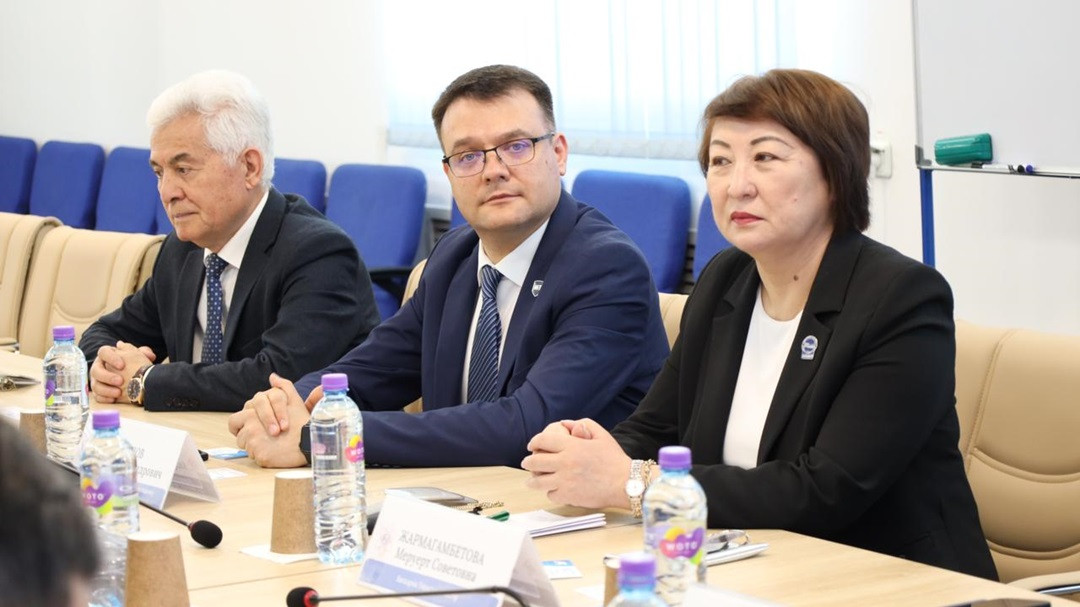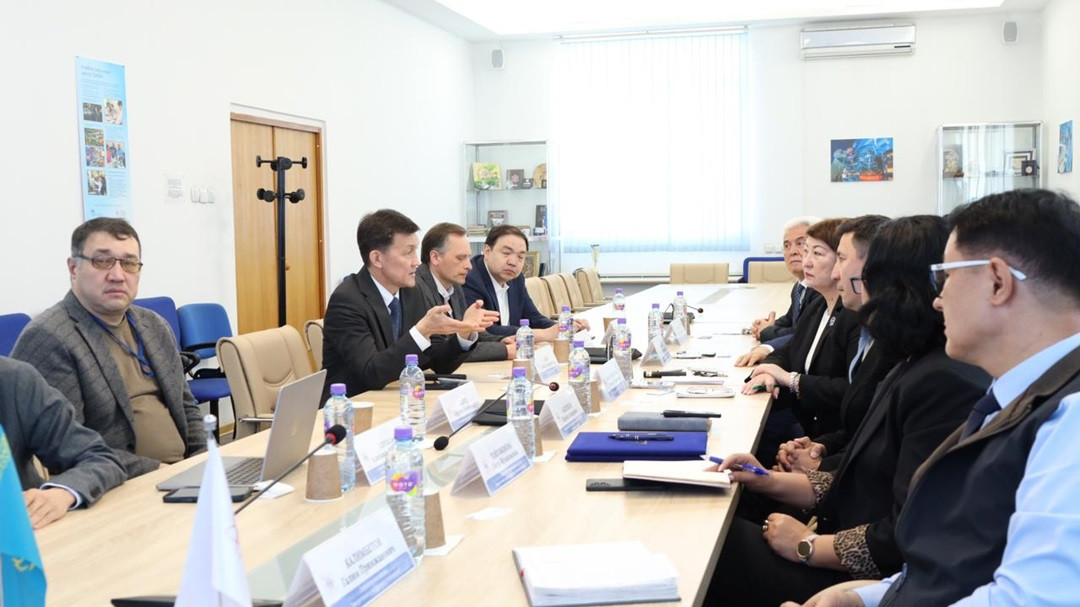
A delegation from ALT University named after Mukhamedzhan Tynyshpayev visited the Institute of Nuclear Physics, one of the country’s key scientific institutions in the field of atomic science and technology. During the visit, university representatives explored the institute’s scientific and production infrastructure, visited laboratories and research sites, and discussed prospects for joint work in science, education, and personnel training.
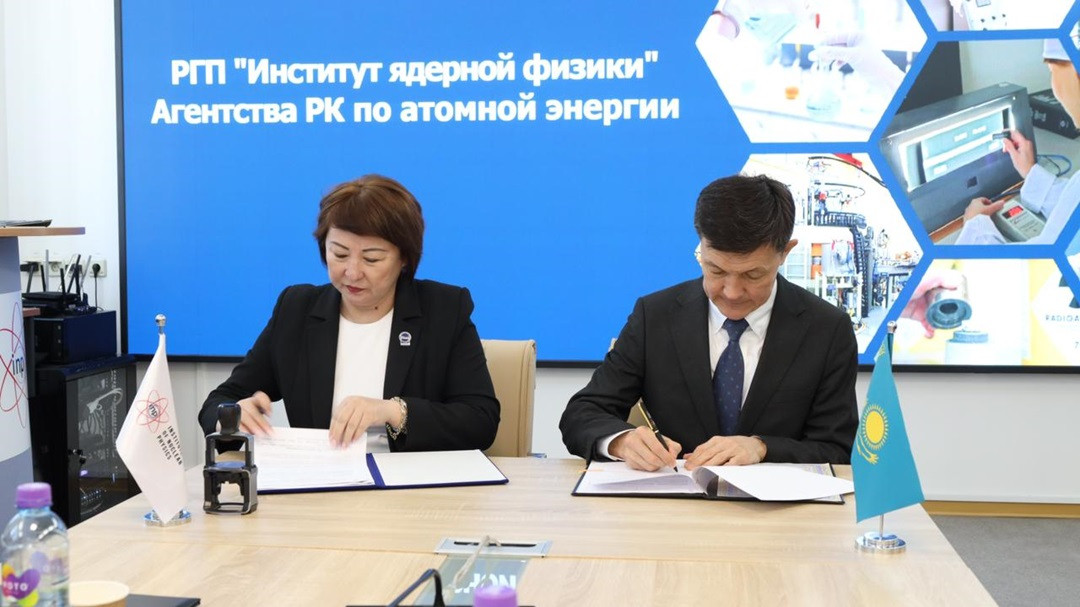
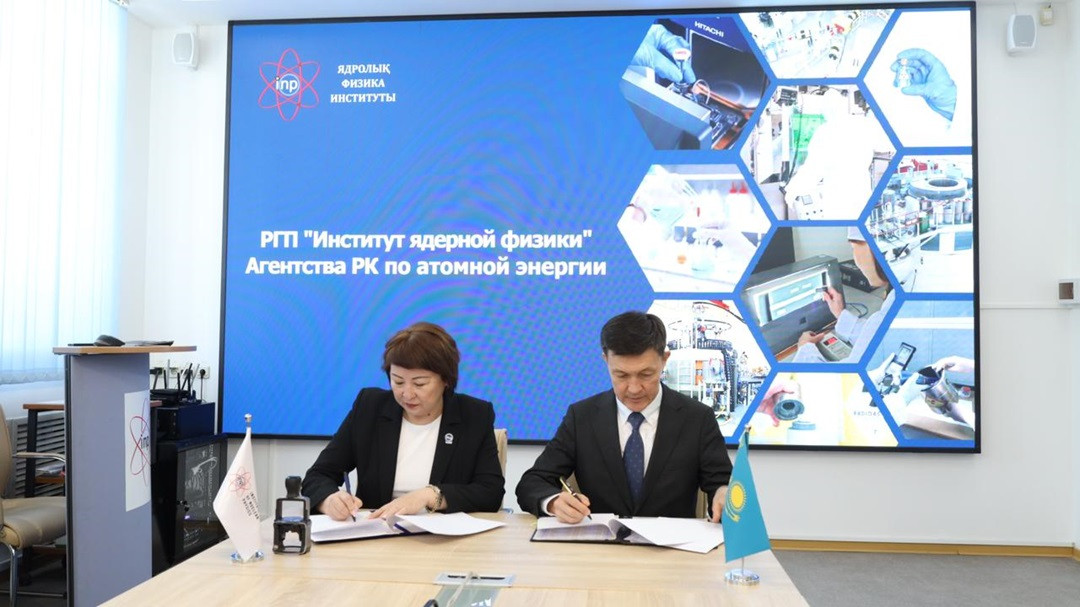
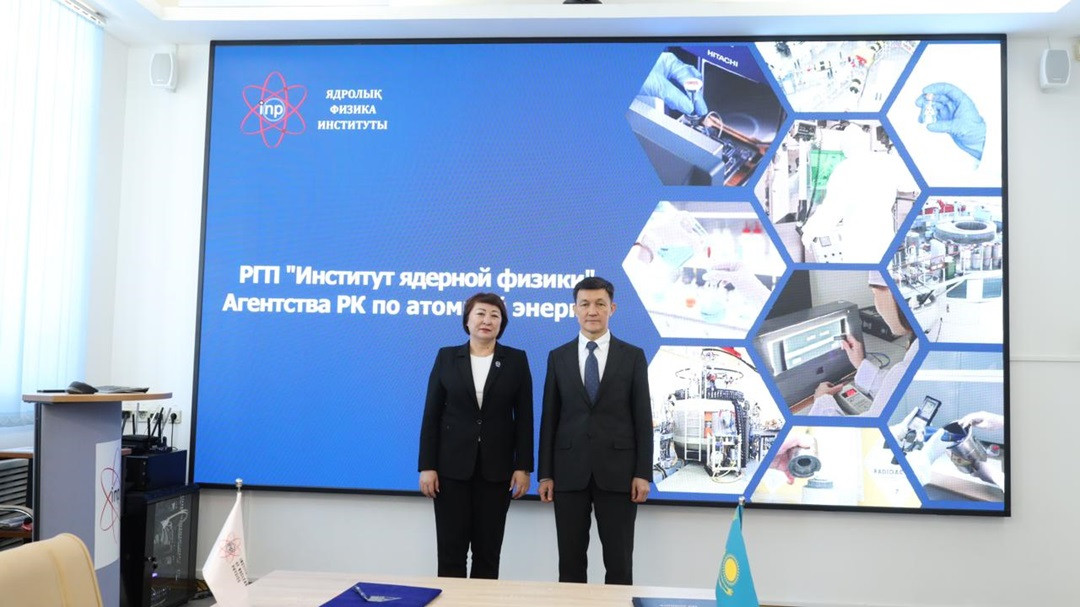
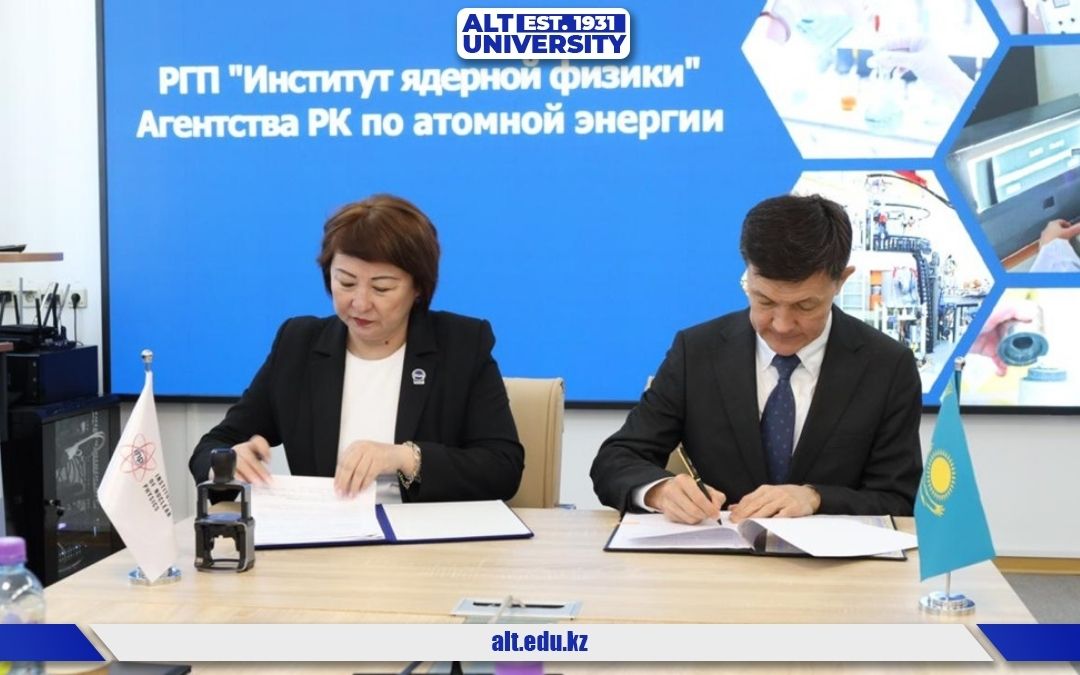
The key outcome of the meeting was the signing of a Memorandum between the Republican State Enterprise “Institute of Nuclear Physics” of the Atomic Energy Agency of the Republic of Kazakhstan and “ALT University named after Mukhamedzhan Tynyshpayev” JSC. The document was signed by the Director General of the Institute of Nuclear Physics, Sayabek Kuanyshbekovich Sakhiev, and the Chairwoman of the Board – Rector of ALT University, Meruert Sovetovna Zharmagambetova.
The signed memorandum aims to establish a sustainable foundation for cooperation in the development of science and education, as well as the training of highly qualified specialists in nuclear technologies and related industries. The parties agreed to combine their scientific and educational potential for:
-
development of research activities and educational programs;
-
training a new generation of engineering personnel;
-
expansion of practice-oriented learning for students;
-
implementation of joint scientific and applied projects.
Within the framework of the partnership, special attention will be paid to integrating students into a real scientific and industrial environment. The agreement provides for:
-
internships for ALT University students at the Institute of Nuclear Physics;
-
professional development for specialists;
-
joint research and participation in industrial projects;
-
organization of conferences, seminars, guest lectures, and educational programs;
-
preparation of scientific publications and participation in grant competitions.
The signing of the memorandum reflects a strategic course toward strengthening interaction between universities and scientific centers, which is a key factor in the development of high-tech industries. Such a partnership not only improves the quality of specialist training but also creates conditions for the development of applied science, technology transfer, and the formation of a new generation of engineers and researchers.