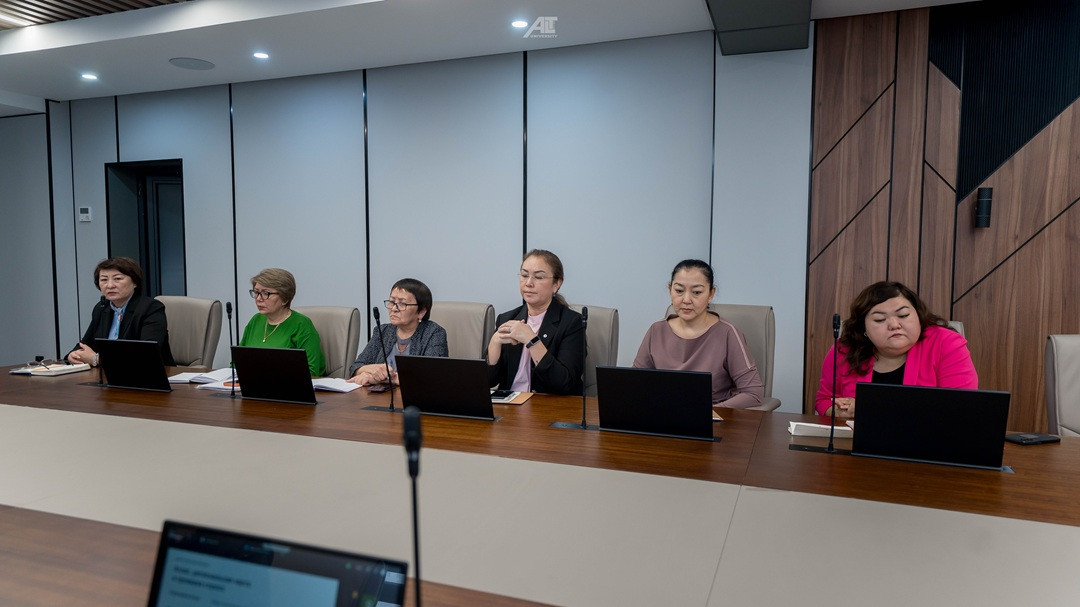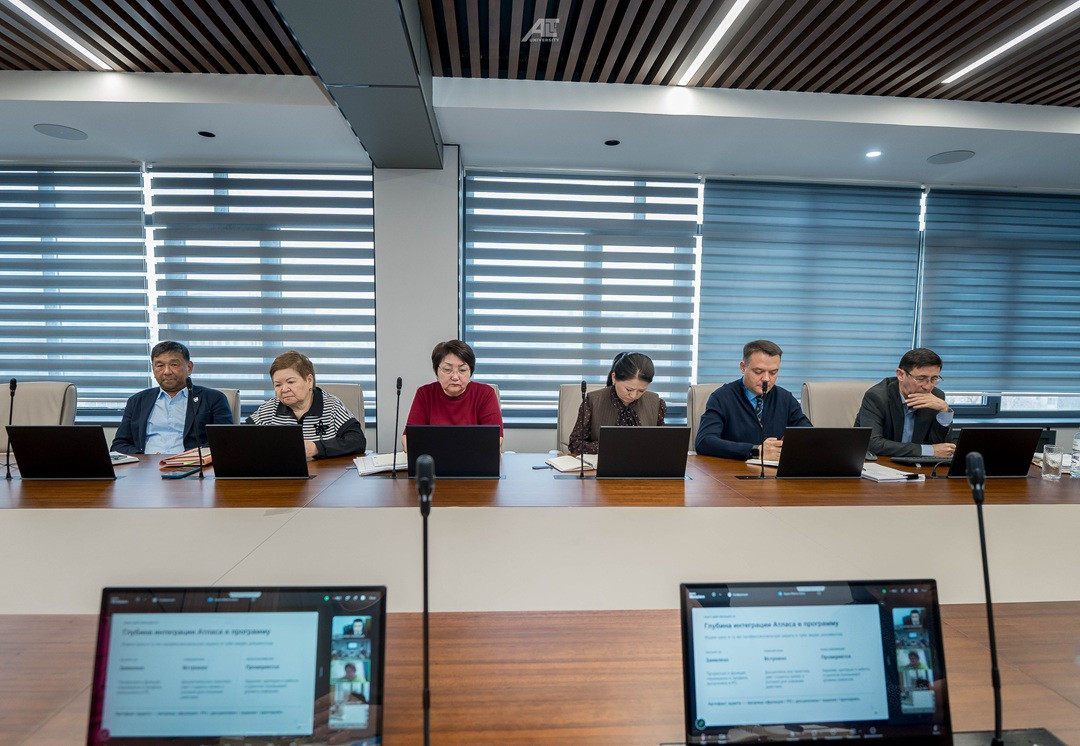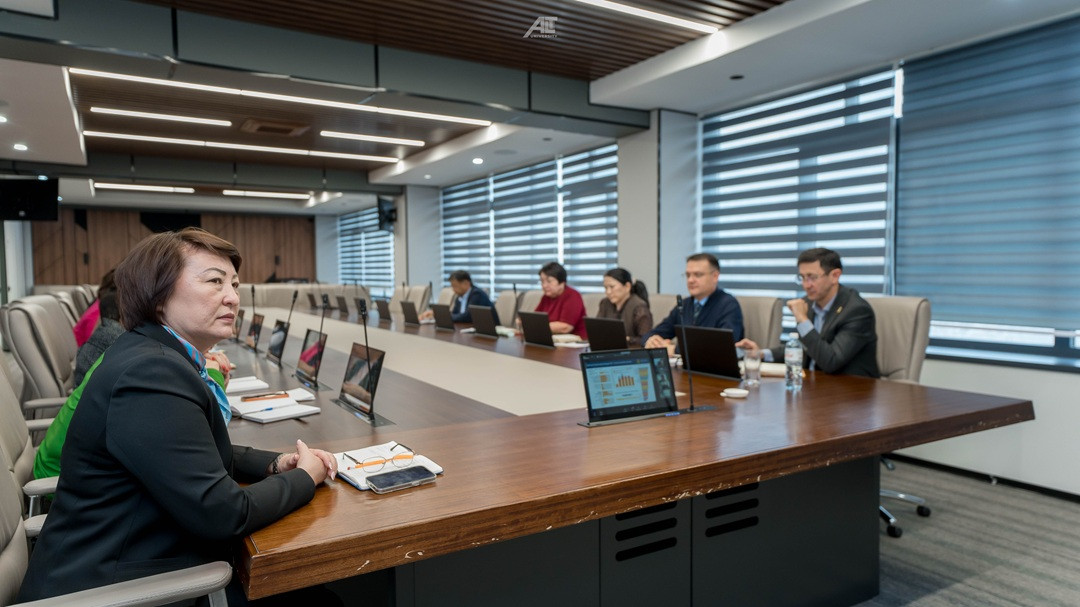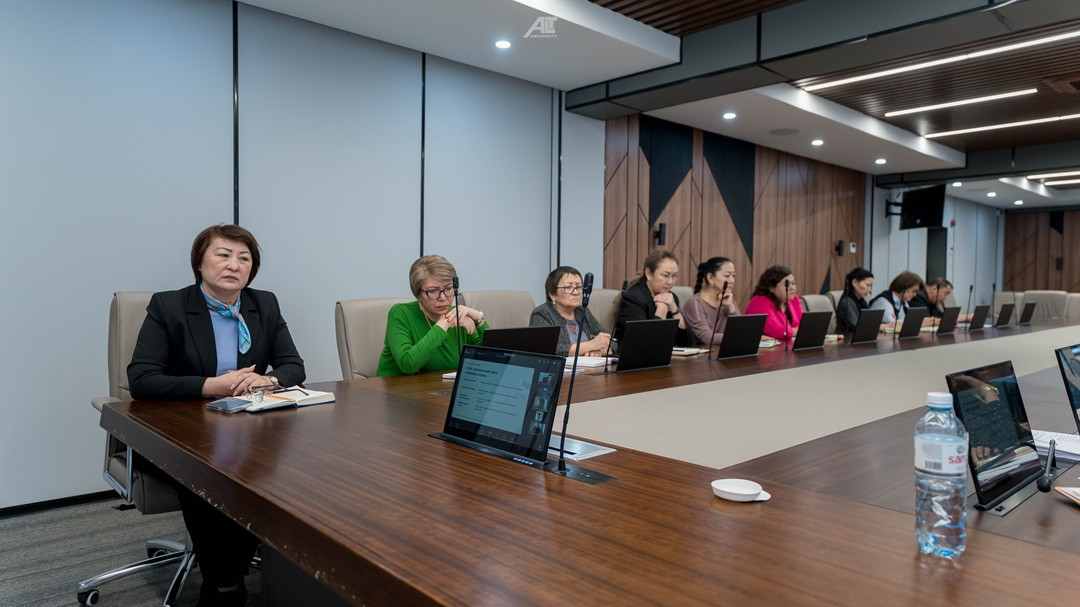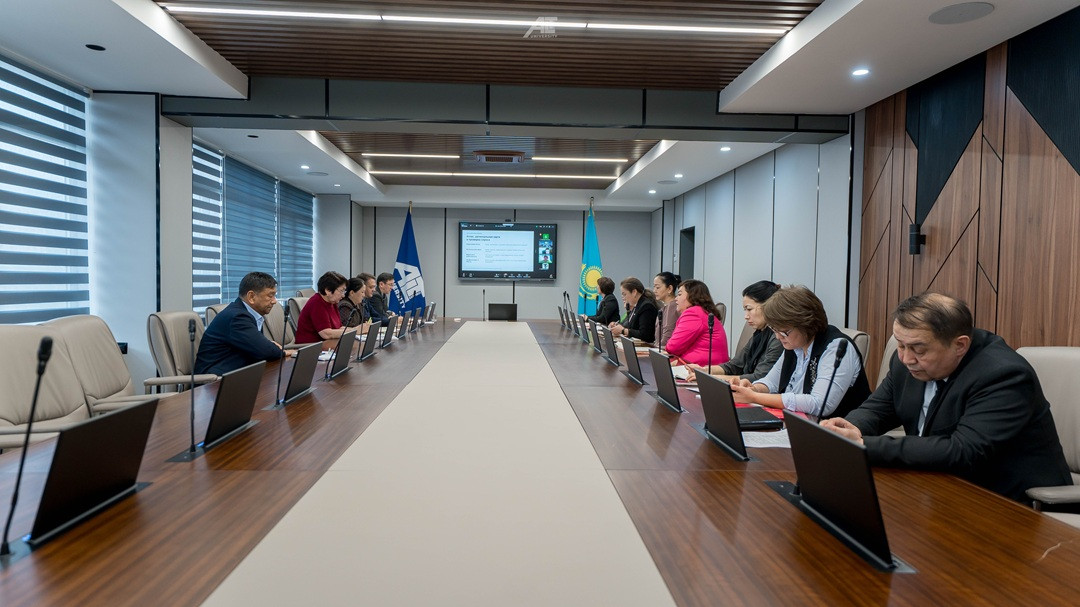
On 24 November 2026, the National Centre for Higher Education Development of the Ministry of Science and Higher Education of the Republic of Kazakhstan held a webinar on Zoom entitled “Quality in the Evaluation of Educational Programmes: From a Competency-Based Approach to the Professional Responsibility of Experts.”
The webinar addressed contemporary approaches to the development and revision of educational programmes, the assessment of learning outcomes, and the professional responsibility of experts.
M.A. Skiba, Head of the Office of the “Mamandyğym – Bolaşağym” (My Profession – My Future) Programme, presented sectoral and regional atlases of emerging professions. It was noted that educational programmes should be developed with due regard to changes in the labour market, employers’ needs, professional standards, and emerging technologies. Particular attention should be given to practical case studies, project-based activities, and the assessment of graduates’ professional readiness.
N.N. Nurmukhametov, Analyst at the National Centre for Higher Education Development, discussed the inflation of learning outcomes and the impact of generative artificial intelligence on the educational process. It was emphasised that assessment should consider not only the final outcome, but also the process of completing the assignment, the reasoning behind decisions, and the learner’s ability to substantiate their position. Artificial intelligence should foster students’ thinking rather than replace their independent work.
T.O. Abdikhalyk, Head of the Higher Education Content Management Office, briefed participants on the requirements for experts listed in the Register of Educational Programmes. Particular attention was paid to the objectivity and sound justification of expert opinions, compliance with deadlines, confidentiality, and professional ethics.
The recommendations received will be used to further improve ALT University’s educational programmes, update learning outcomes, and strengthen the practical focus of its training.
Participation in the webinar contributes to SDG 4 “Quality Education” and is linked to SDG 8 “Decent Work and Economic Growth”, as it helps improve the quality of training and enhances graduates’ competitiveness in the labour market.