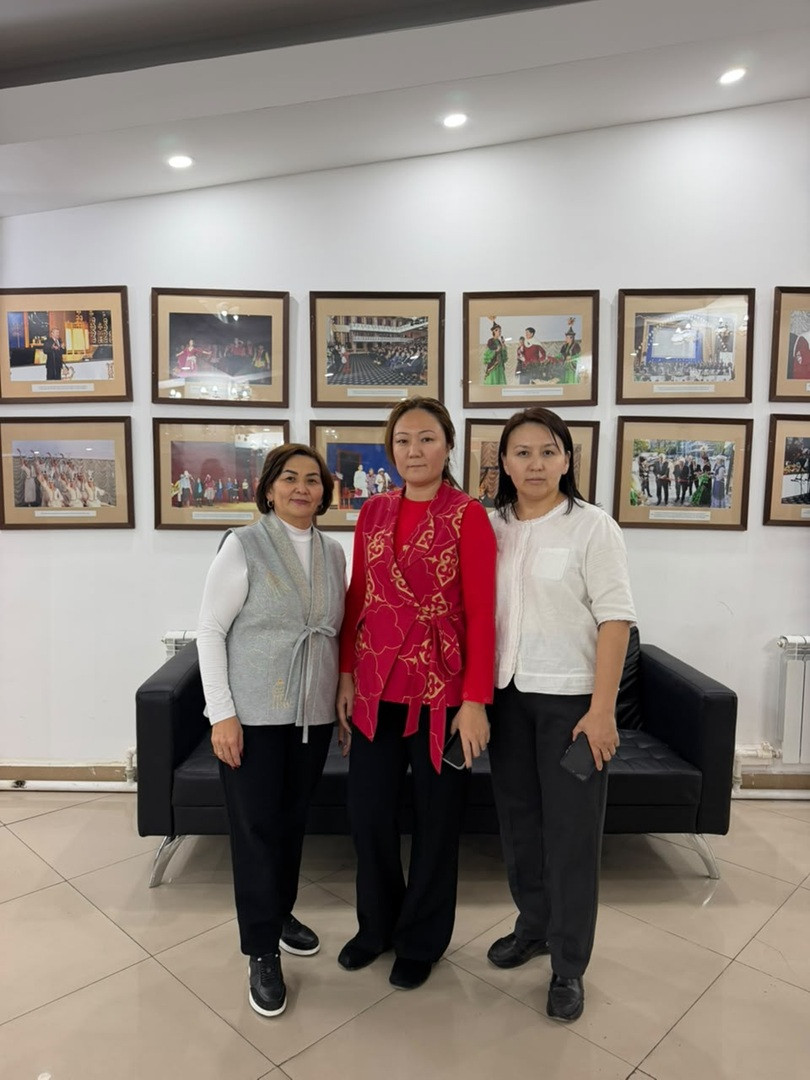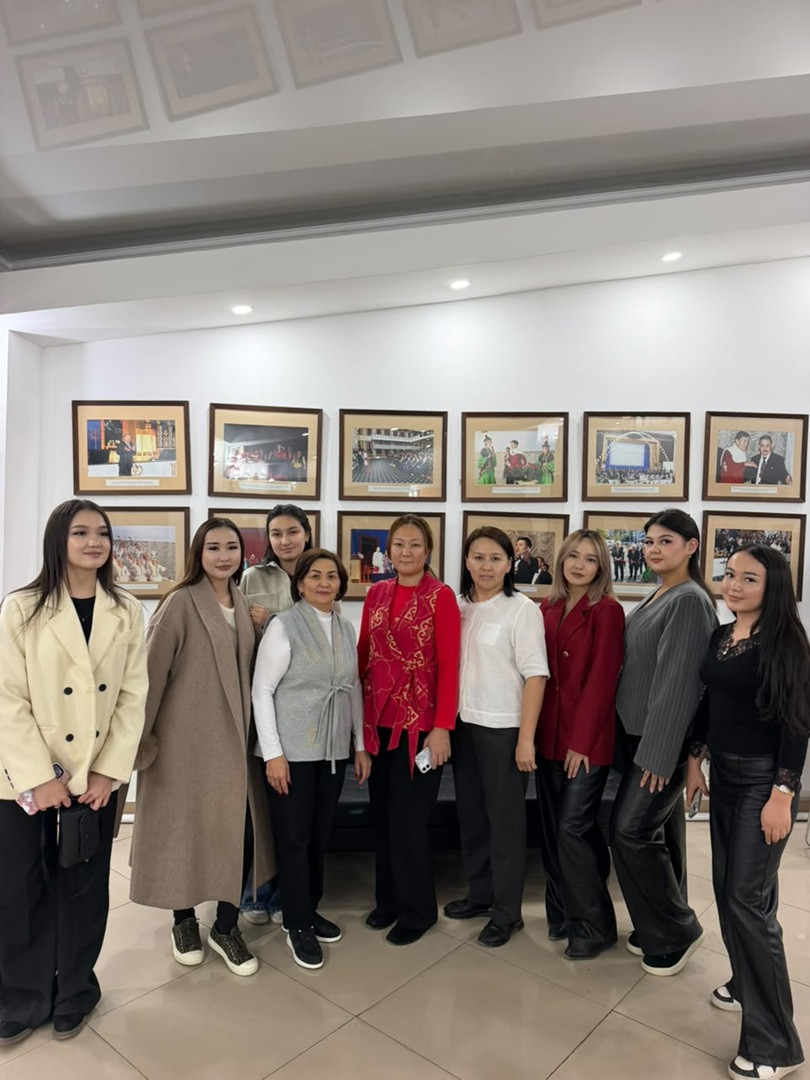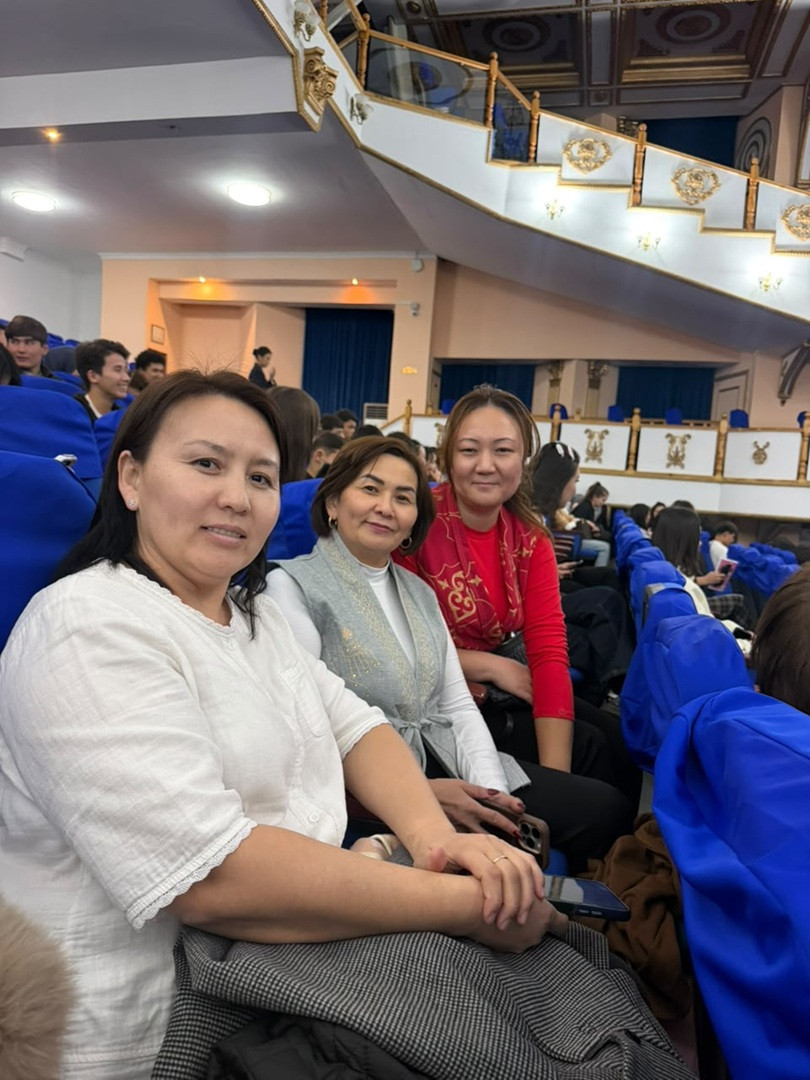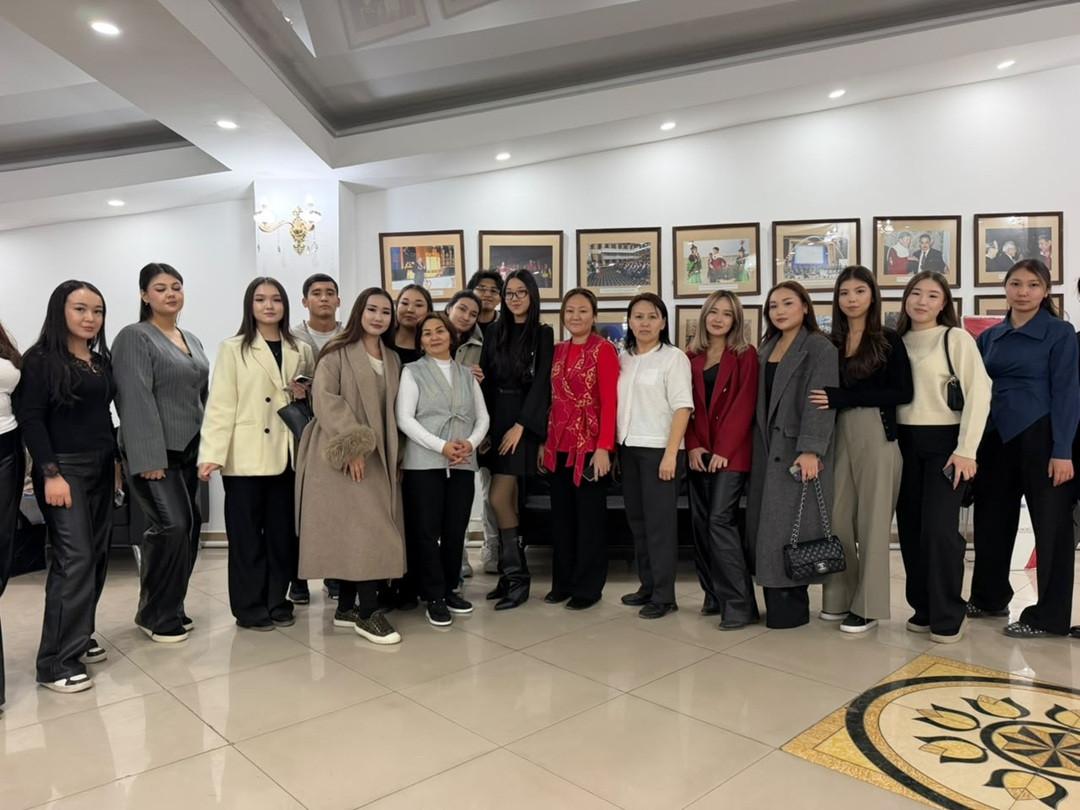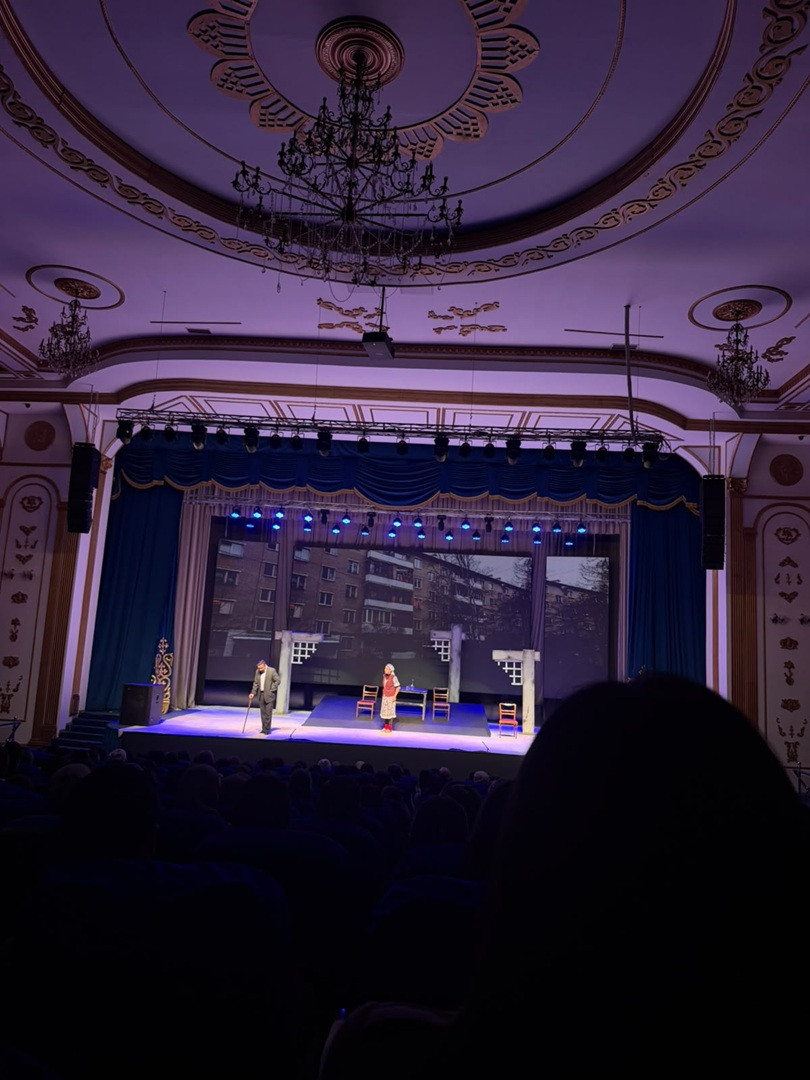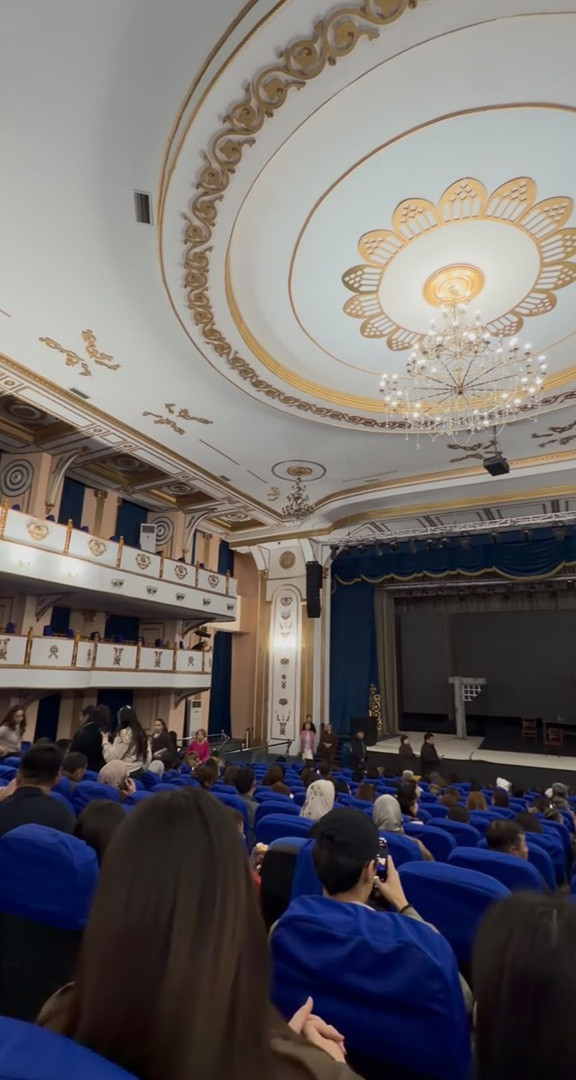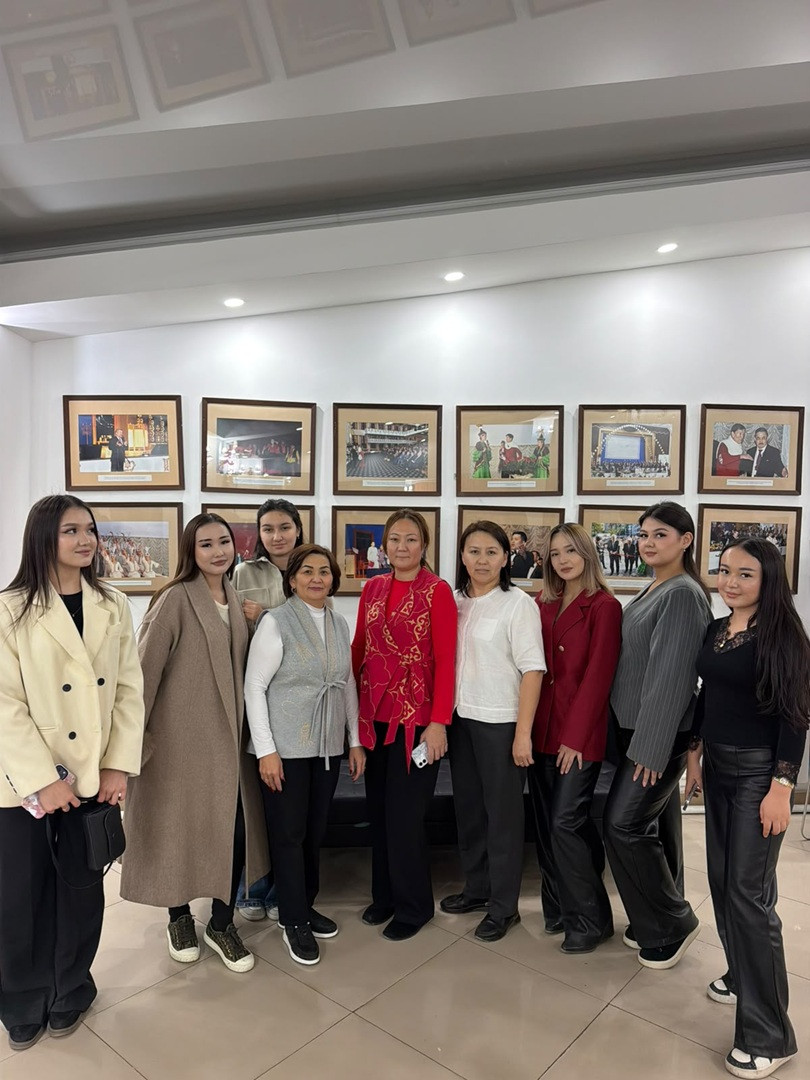
On October 28, 2026, faculty members of the Department of Logistics and Business at ALT University — A. Zh. Sugurova, Sh. A. Igenbayeva, and K. Zh. Demeuova — visited the theatre together with first- and second-year students of the Finance educational program as part of the university’s cultural and educational activities.
The theatre visit provided an opportunity to extend learning beyond the classroom and introduce students to the arts as an essential component of personal, intellectual, and cultural development.
Why Is This Important for Future Professionals?
Modern higher education focuses not only on developing professional knowledge but also on nurturing individuals who can think critically, understand social processes, communicate effectively, and make responsible decisions.
For future professionals in finance and economics, analytical abilities and technical expertise are essential. However, emotional intelligence, communication skills, ethical reasoning, and the ability to appreciate different perspectives are equally valuable.
Theatre can help develop these qualities by encouraging audiences to reflect on human relationships, moral values, and social responsibility through artistic expression and real-life situations.
Cultural Education as an Essential Part of University Life
Activities of this kind help students broaden their perspectives, develop aesthetic appreciation, and cultivate respect for national art and cultural traditions.
Shared cultural experiences between students and faculty members also strengthen mutual understanding, foster a supportive educational environment, and encourage meaningful communication beyond academic settings.
Introducing young people to theatre is particularly important for preserving cultural heritage and passing it on to future generations. Engagement with the arts and participation in cultural life can promote civic awareness and a deeper appreciation of society’s historical and spiritual values.
Thus, visiting the theatre is more than a cultural leisure activity. It is an important part of holistic education that brings together students’ intellectual, emotional, and ethical development.
ALT University continues to support cultural and educational initiatives aimed at developing well-rounded individuals who possess not only professional competencies but also cultural awareness and a strong sense of social responsibility.
Contribution to the United Nations Sustainable Development Goals
SDG 4 — Quality Education — supporting students’ holistic development, strengthening cultural, communication, and social-emotional competencies, and expanding learning opportunities beyond the classroom.
SDG 11 — Sustainable Cities and Communities — supporting cultural life, promoting national art, encouraging respect for cultural heritage, and inspiring young people to contribute to its preservation.
Author: Alik Asel