As part of the implementation of the United Nations Sustainable Development Goals—SDG 3 “Good Health and Well-Being,” SDG 4 “Quality Education,” SDG 10 “Reduced Inequalities,” SDG 16 “Peace, Justice and Strong Institutions,” and SDG 17 “Partnerships for the Goals”—the Office of Inclusive Education and Mental Health continues its work to provide psychological support to first-year students at ALT University.
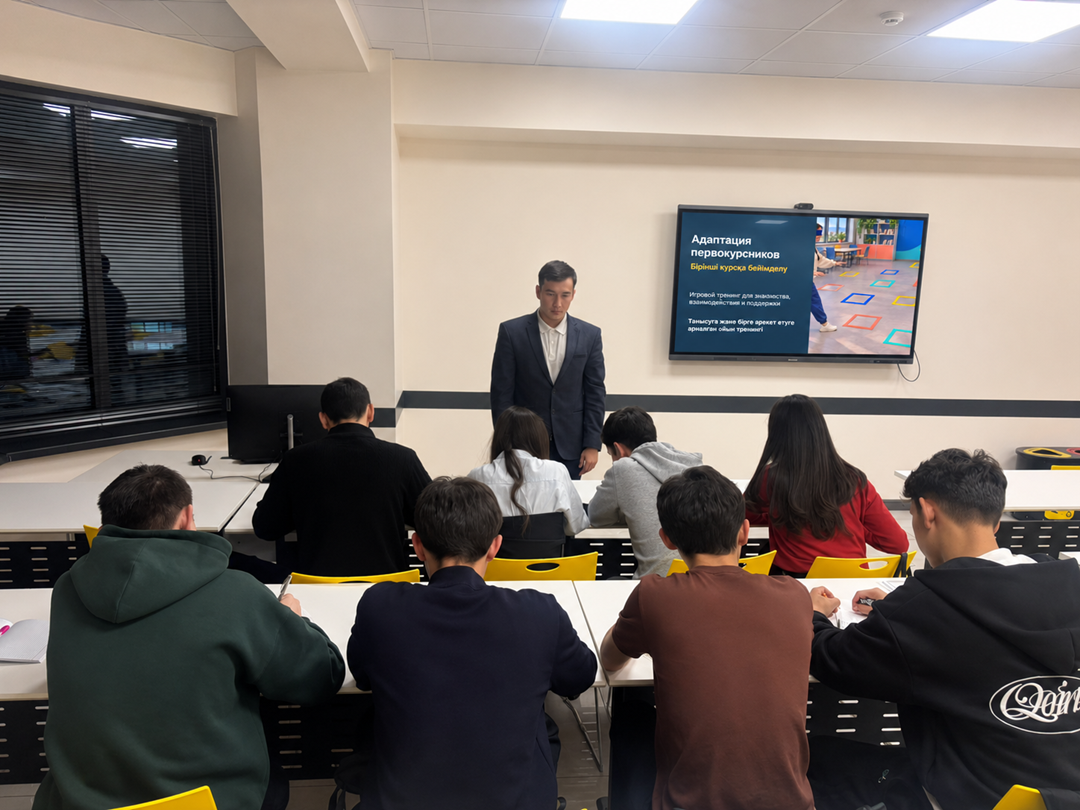
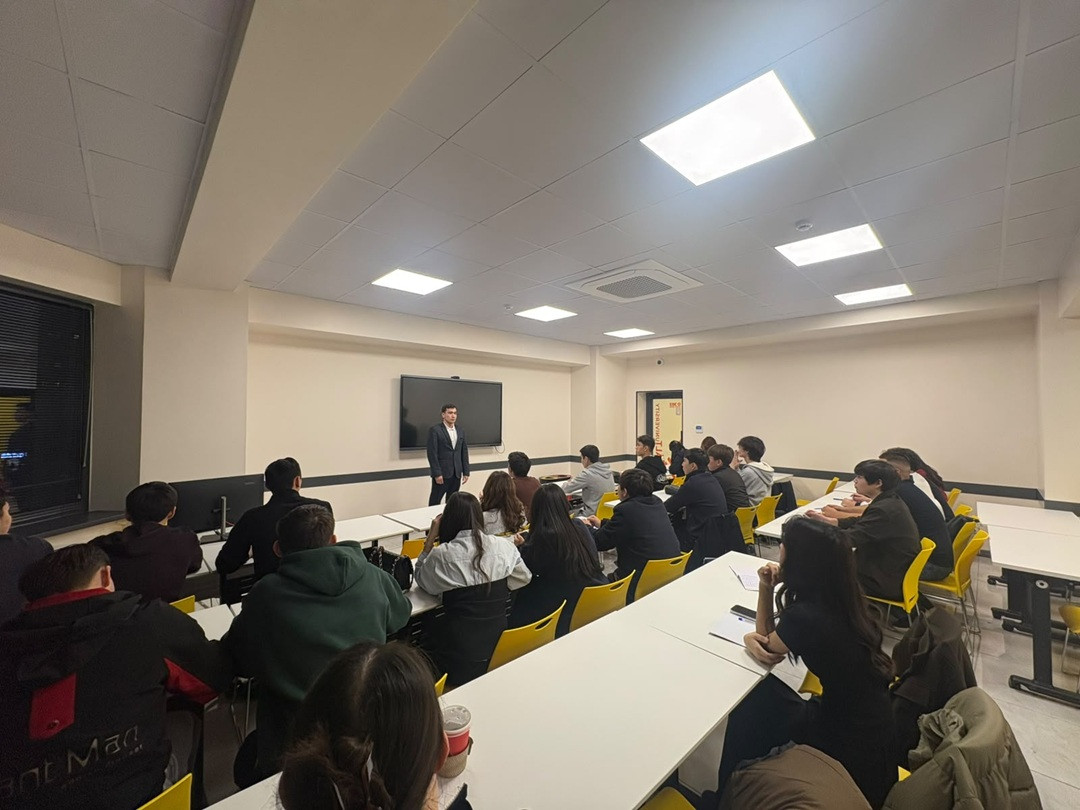
Psychologist-consultant Kapar Nurkhan Amanzholuly conducted a series of seminar-training sessions titled “First-Year Student Adaptation.” The sessions were aimed at helping students get to know one another, developing communication and teamwork skills, strengthening mutual support, reducing emotional tension, and creating a comfortable psychological atmosphere within their academic groups.
The training sessions incorporated group work, team-building, trust-building, non-verbal communication, coordination of joint activities, and group reflection. Participants completed the following exercises:
“Change Places” — an exercise aimed at helping participants get to know one another, identify common interests, reduce tension, and establish open communication;
“Invisible Route” — a team exercise designed to develop trust, the ability to listen to a partner, follow instructions, and accept support from the group;
“Line-Up” — an exercise aimed at developing non-verbal communication, attentiveness, self-organization, and coordination of joint actions;
“Group Counting” — a group technique designed to develop concentration, emotional engagement, a sense of group rhythm, and the ability to act together without assigning roles in advance.
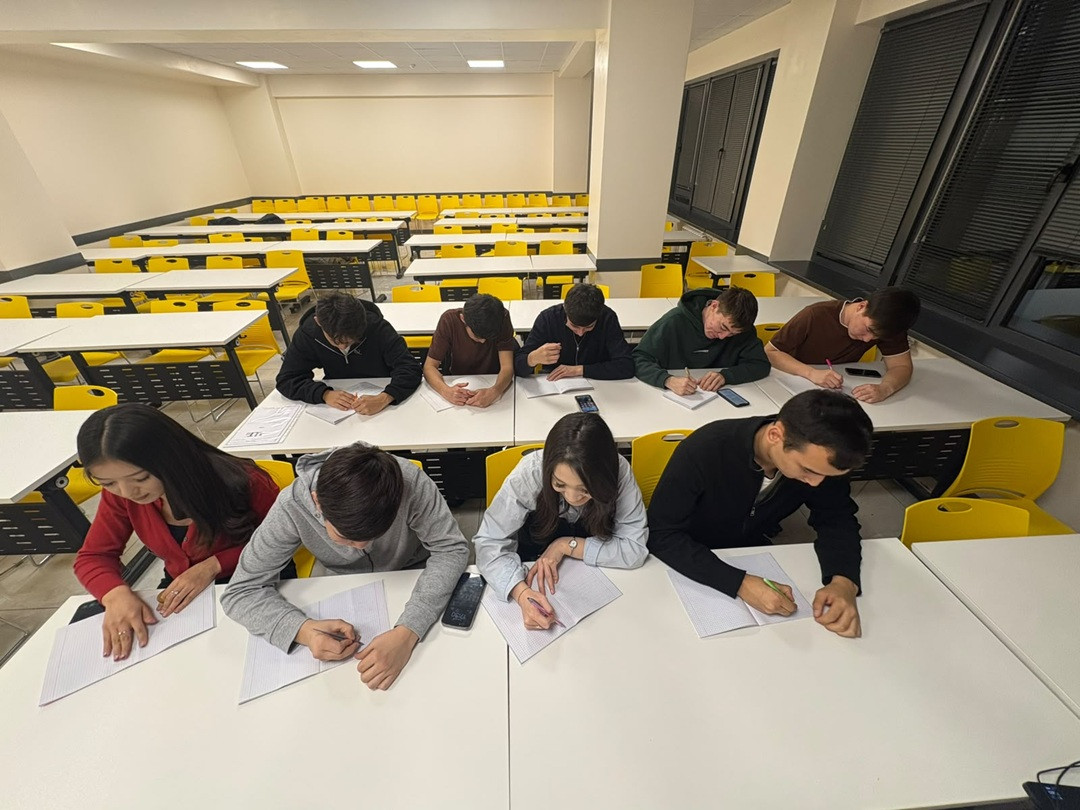
After completing the exercises, the students took part in a group reflection session. They shared their impressions, discussed the difficulties they had encountered, and analyzed which approaches to interaction helped the group complete the tasks successfully. Projective techniques were also used during the sessions.
At this stage, the training sessions were conducted in selected groups of first-year students included in the program based on a combination of adaptation-related and organizational factors, as well as general observations of their adjustment to the university environment. This approach is used exclusively to plan timely preventive measures and psychological support.
During the sessions, students were able to get to know one another better, practise working together, build trust, provide mutual support, and seek help from the group. Such meetings help first-year students adapt more easily to the new educational environment, build relationships with their groupmates more confidently, and feel part of the university community.