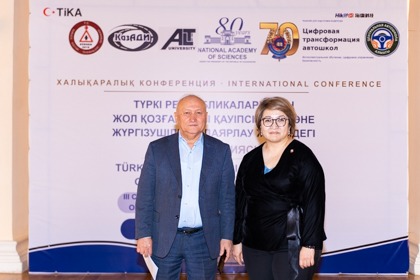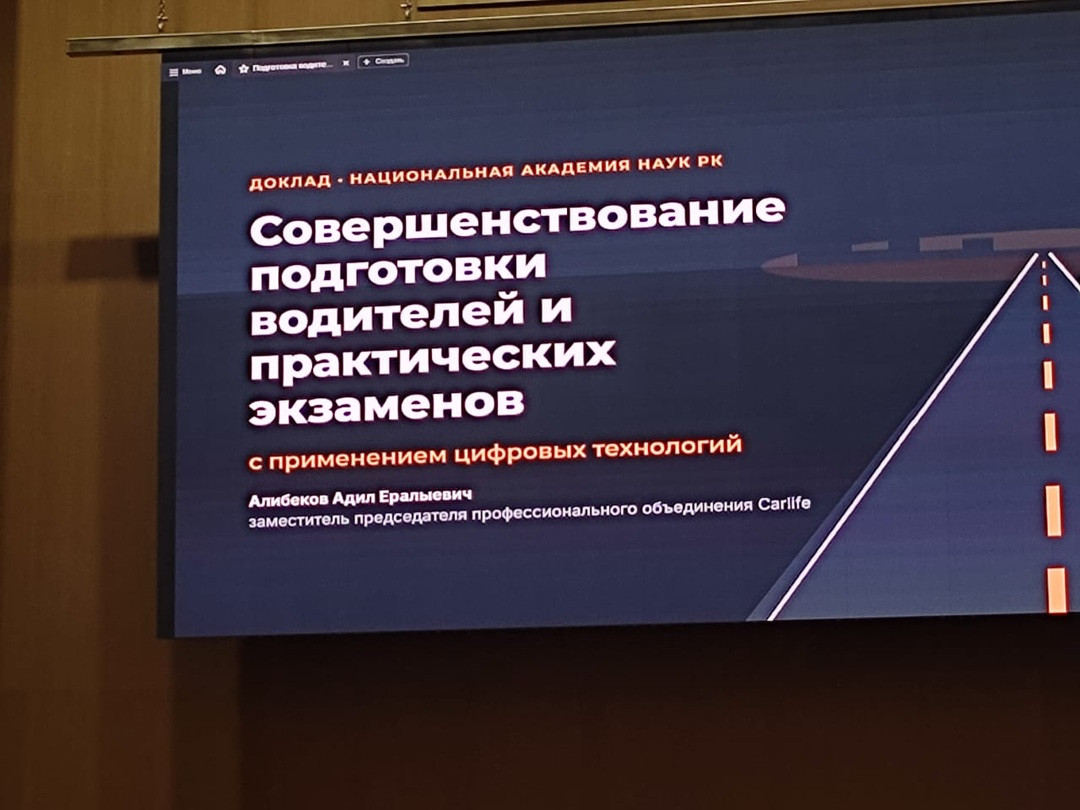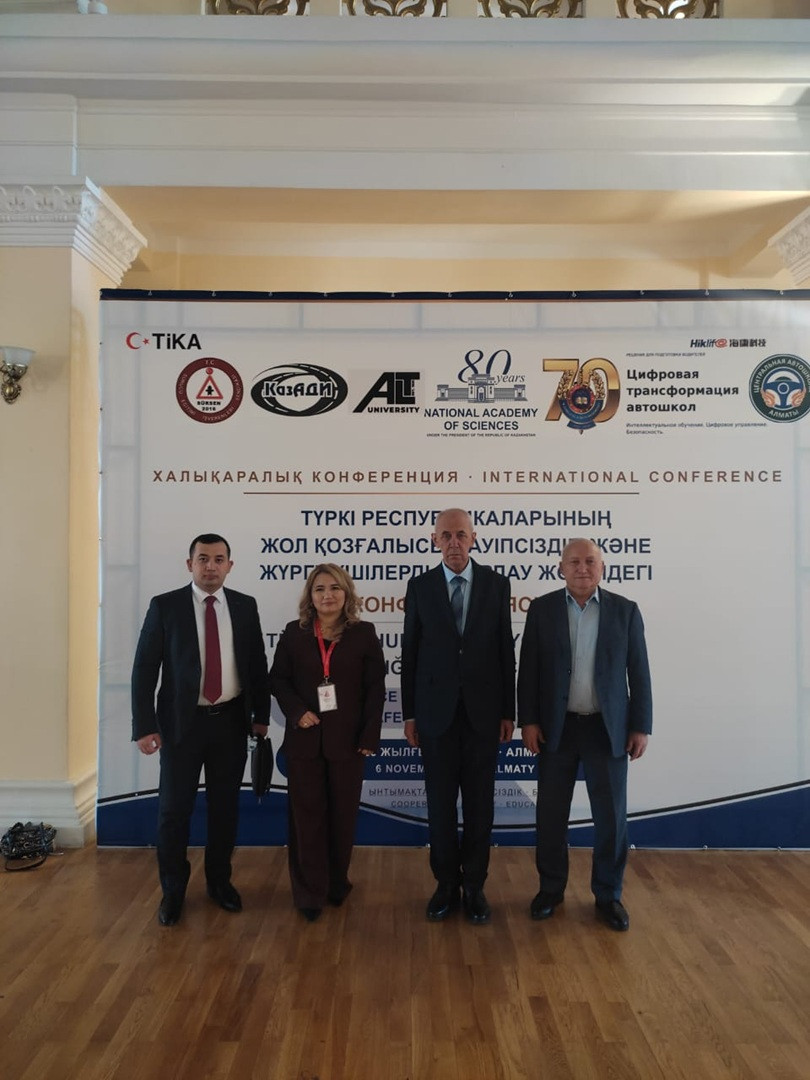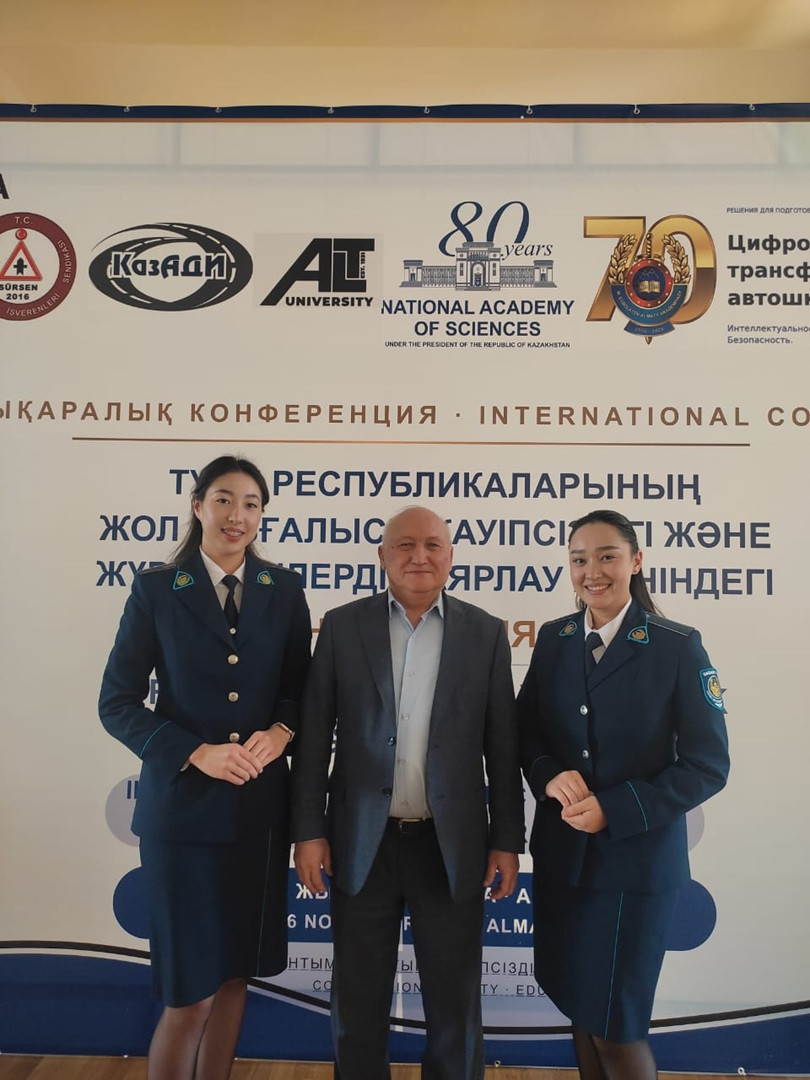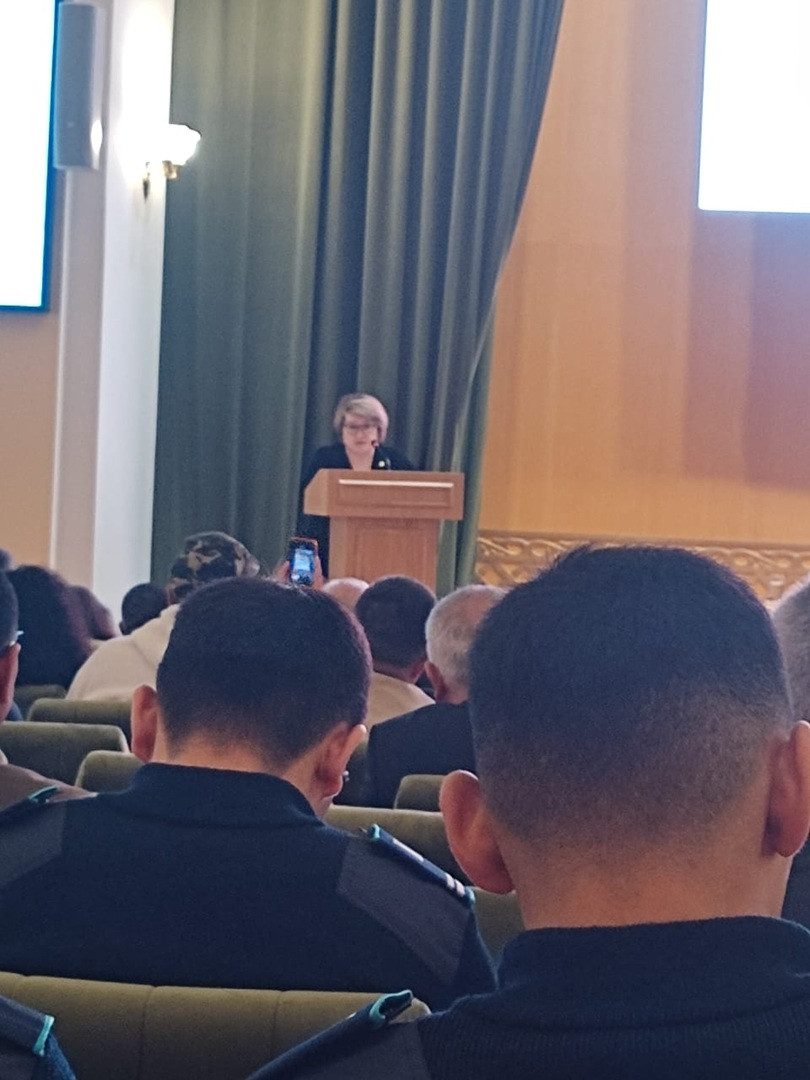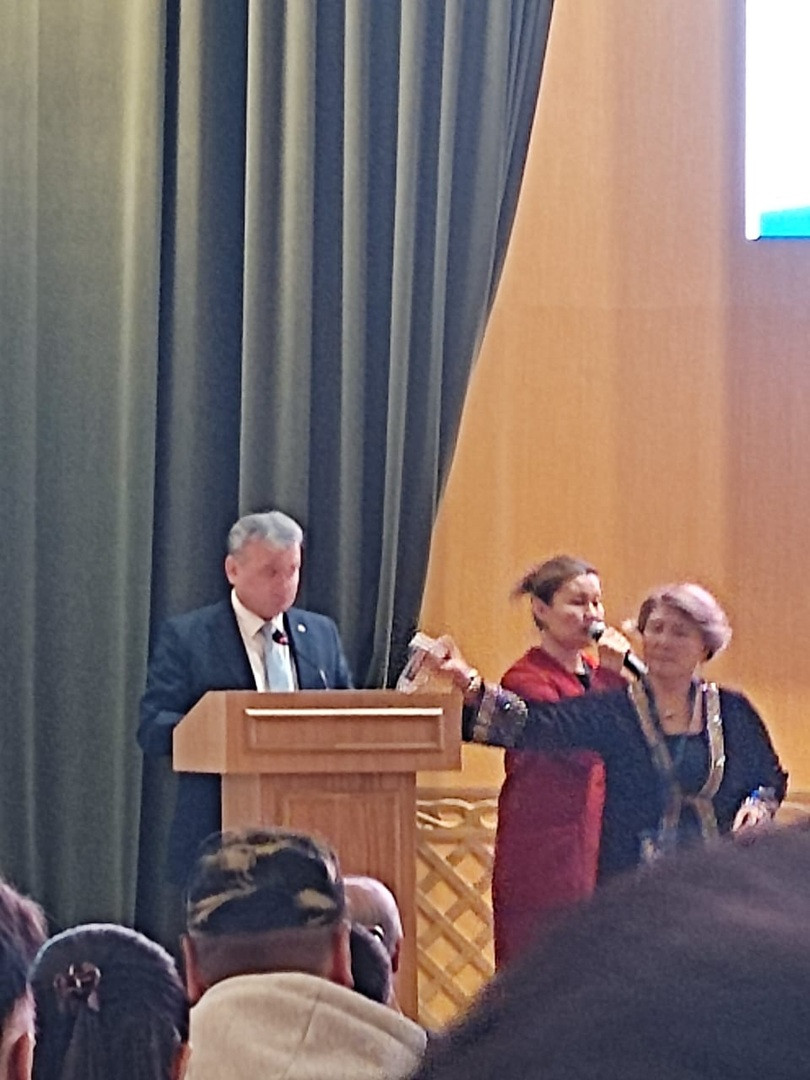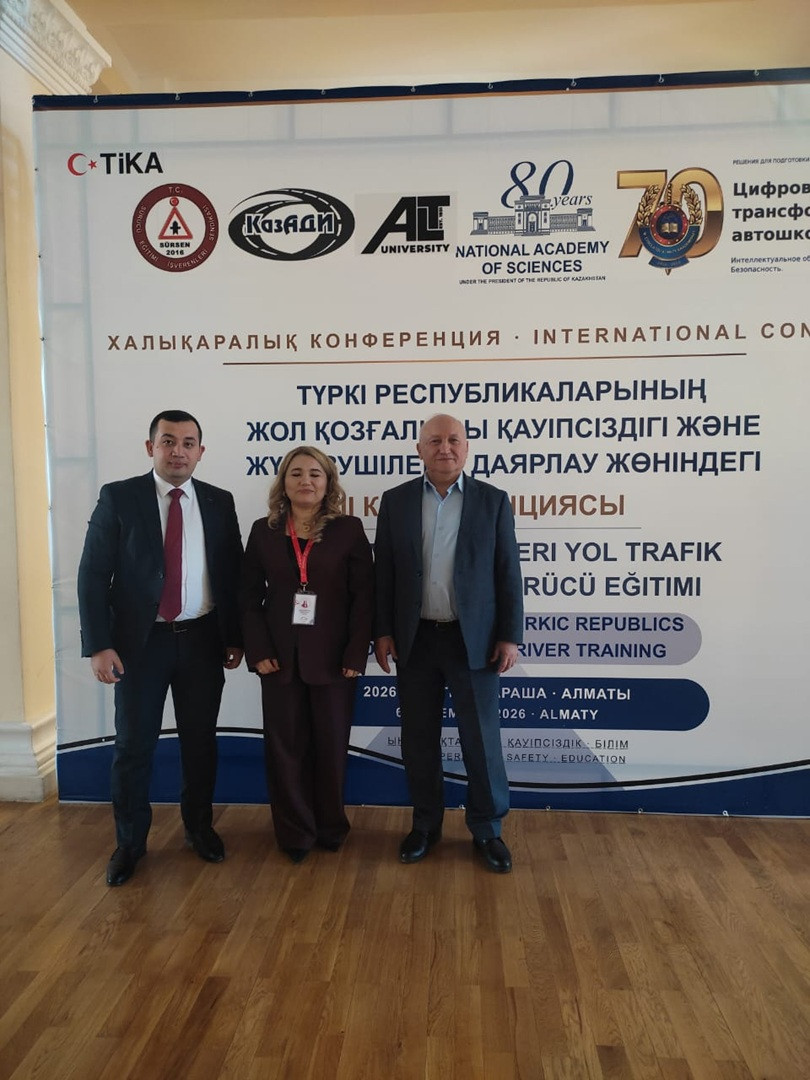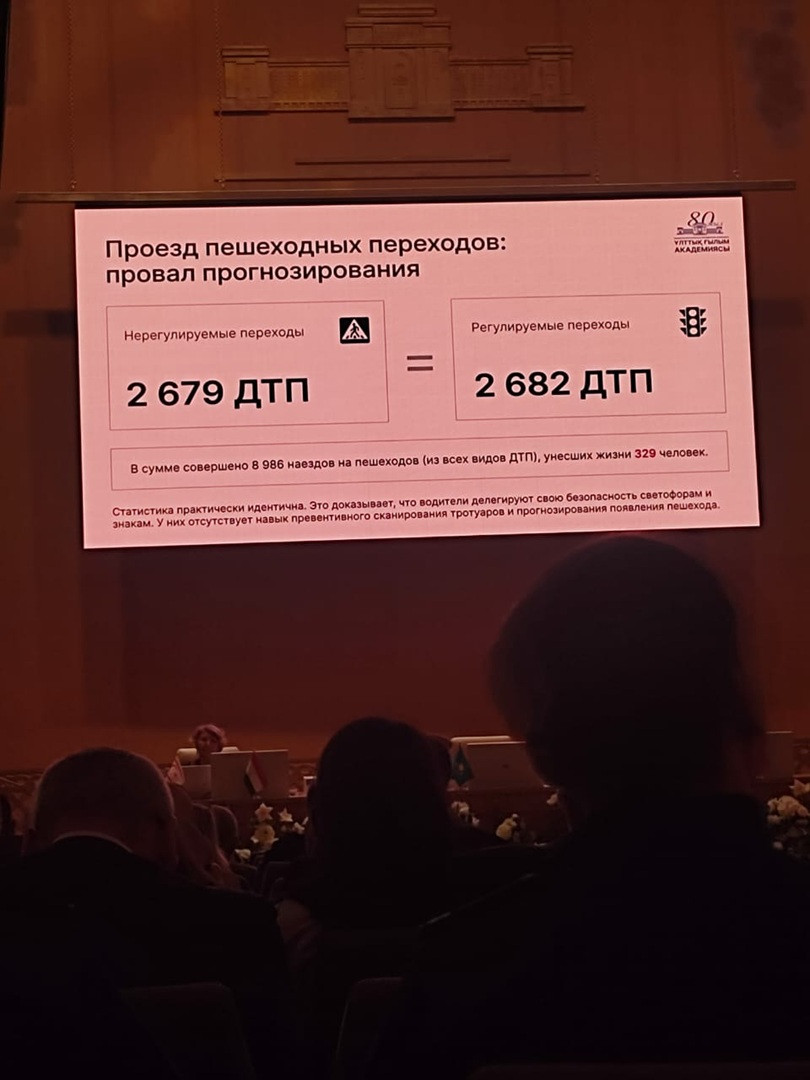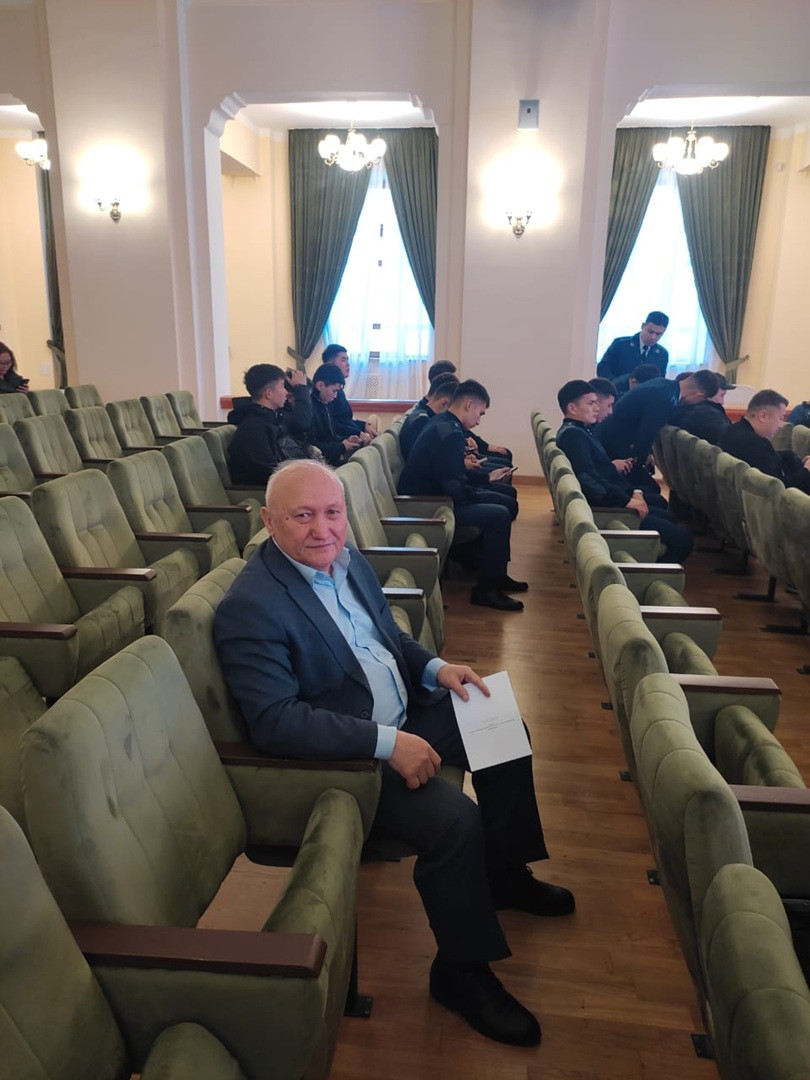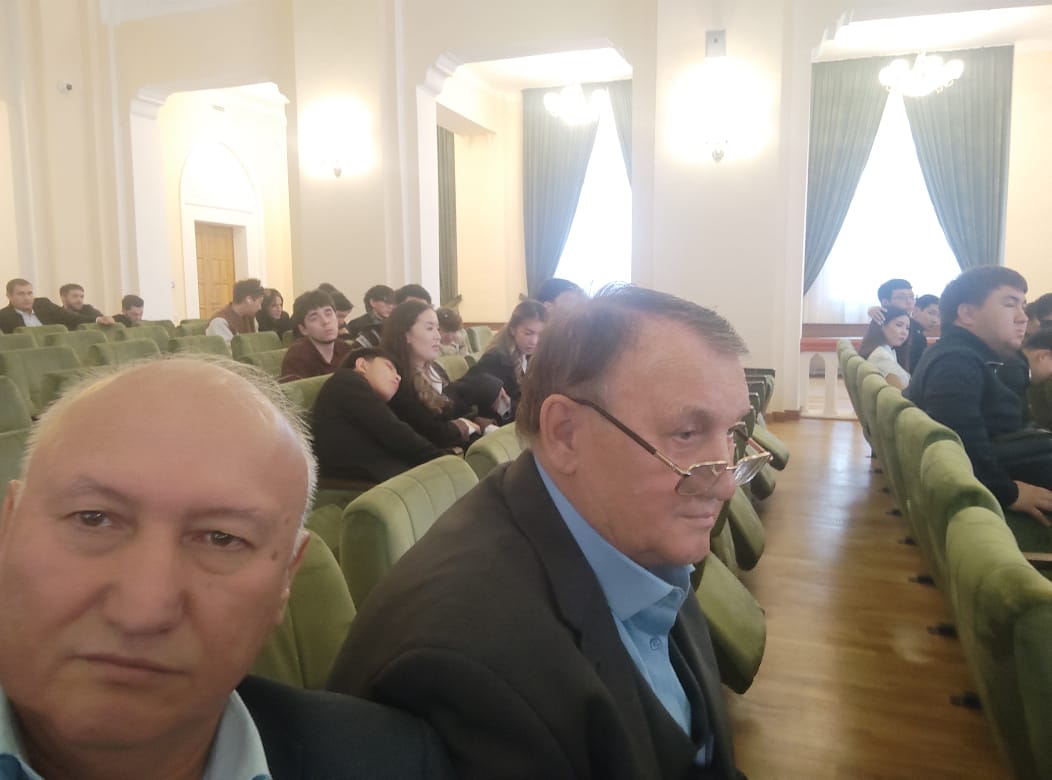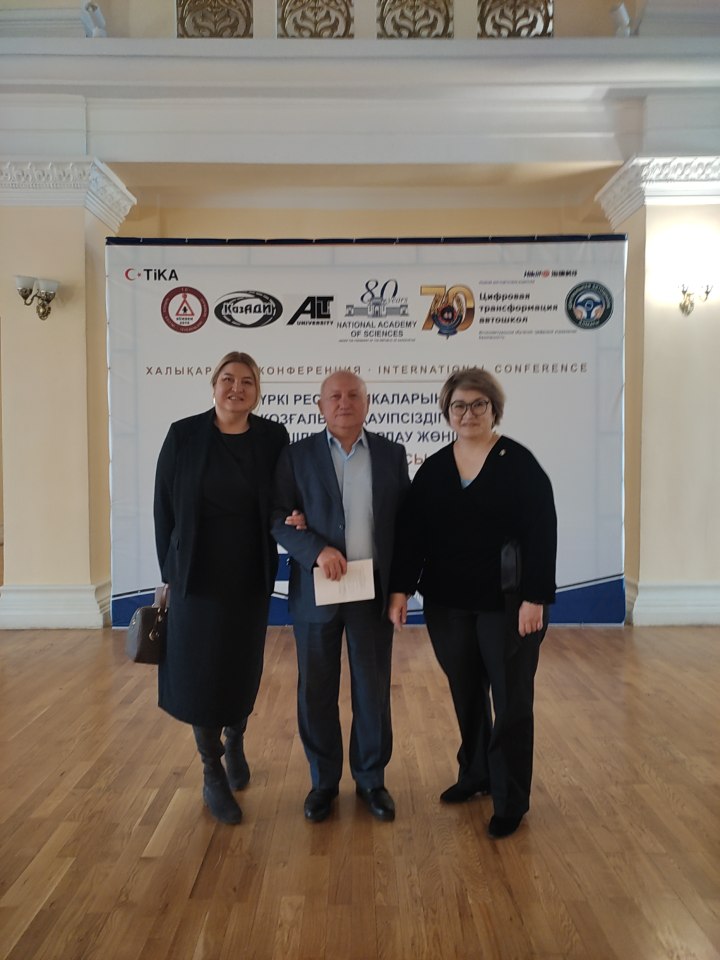
On November 6, 2026, the Third Conference of Turkic States, dedicated to road safety and improving driver training systems, was held at the House of Science in Almaty.
The conference brought together representatives from Kazakhstan, Türkiye, Uzbekistan, Tajikistan, and China. The event served as an international professional platform for exchanging experience, discussing current road accident challenges, and exploring effective approaches to improving road safety.
Road Safety: A Shared Responsibility
One of the key areas of discussion was the current road accident situation in Kazakhstan and Türkiye.
Participants examined the main causes of road traffic accidents, paying particular attention to the human factor, which plays a significant role in ensuring road safety.
The discussions emphasized the need to increase the responsibility of drivers and other road users, ensure compliance with traffic regulations, and promote a sustainable culture of safe road behavior.
Special attention was given to the fact that improving road safety requires not only better transport infrastructure and regulatory standards but also a change in how individuals approach their own safety and the safety of others.
Improving Driver Training Systems
One of the central topics of the conference was improving the quality of training for future drivers.
Experts discussed the duration of training, the content of educational programmes, and the need to incorporate psychological preparation into the learning process.
It was emphasized that professional driver training should develop not only vehicle operation skills but also the ability to make balanced and well-informed decisions in challenging traffic situations.
Mutual respect, patience, discipline, and responsible behavior on the road are essential components of a safe driving culture.
Participants highlighted that driving school education should not be limited to studying traffic regulations and performing standard exercises on closed driving courses. Developing the ability to anticipate traffic situations, recognize potential risks, and adopt a responsible attitude toward driving is equally important.
International Experience and Modern Training Approaches
The conference included a comparative analysis of driver training systems used in Kazakhstan, Uzbekistan, Tajikistan, Türkiye, and European countries.
The exchange of international experience provided an opportunity to examine different approaches to organizing driver education and identify areas for further improvement.
Particular interest was given to combining theoretical knowledge, practical driving skills, and psychological readiness for participation in road traffic.
International professional cooperation creates opportunities to share effective educational practices and develop joint initiatives aimed at reducing road accidents and improving road safety.
Significance for the Transport Sector and Education
Road safety issues are directly related to the education of transport professionals, the organization of transportation, and the management of transport systems.
Discussions of modern driver training approaches and international experience are particularly valuable for educational institutions specializing in transport, including ALT University.
Promoting a culture of safety, developing professional responsibility, and improving educational approaches are essential conditions for preparing competent professionals for the modern transport industry.
International conferences of this kind contribute to professional dialogue, the dissemination of best practices, and stronger cooperation in addressing shared transport safety challenges.
Contribution to the United Nations Sustainable Development Goals
SDG 3 — Good Health and Well-Being. Discussing measures to reduce road traffic injuries, prevent accidents, and protect the lives and health of road users.
SDG 11 — Sustainable Cities and Communities. Promoting a culture of safe road use, improving driver training systems, and enhancing the safety of urban and intercity transport networks.
SDG 17 — Partnerships for the Goals. Strengthening international professional cooperation, exchanging experience among representatives of different countries, and discussing joint approaches to improving road safety.
The Third Conference of Turkic States highlighted the importance of a comprehensive approach to road safety, improved driver training, and international cooperation. The exchange of professional experience and the promotion of responsible driving are important steps toward reducing road accidents and creating a safer transport environment.
Author: Alik Asel