In his Address to the People of Kazakhstan, President of the Republic of Kazakhstan Kassym-Jomart Tokayev identified the development of the transport and logistics sector, the strengthening of the country’s transit potential, and the transformation of Kazakhstan into one of Eurasia’s leading logistics hubs as strategic priorities. In the context of implementing these objectives, ALT University Professor Saule Yertayevna Bekzhanova provided expert insights into improving the competitiveness of domestic transport operators.
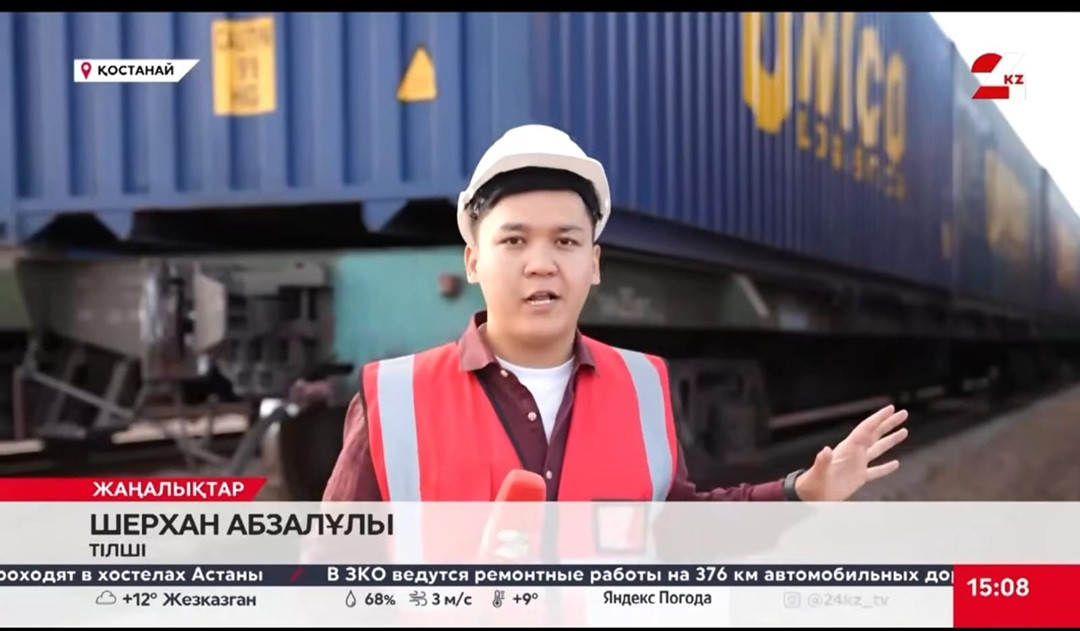
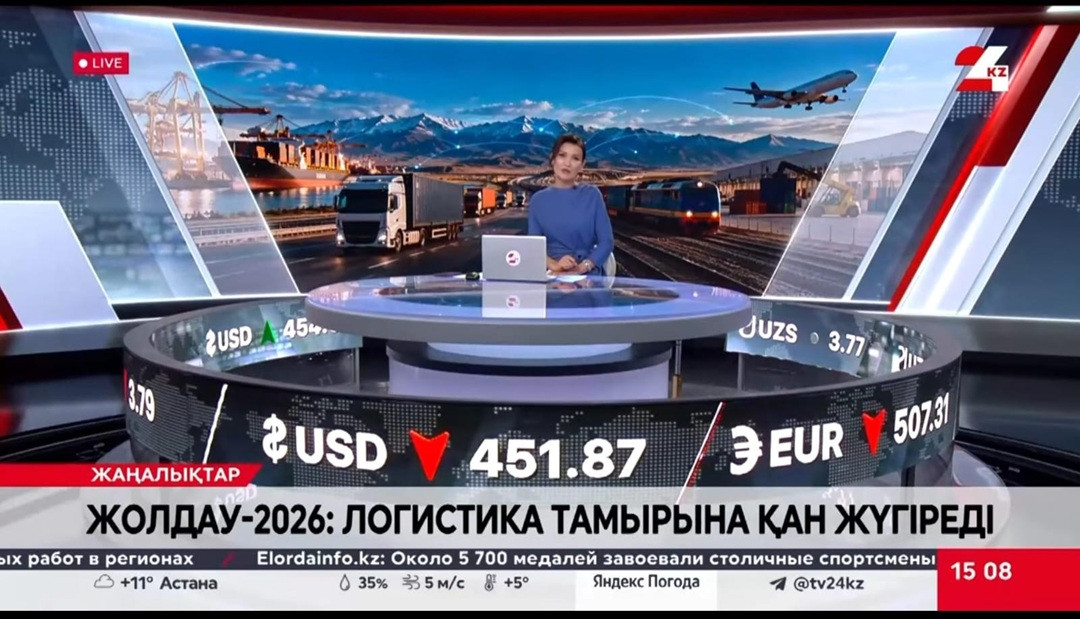
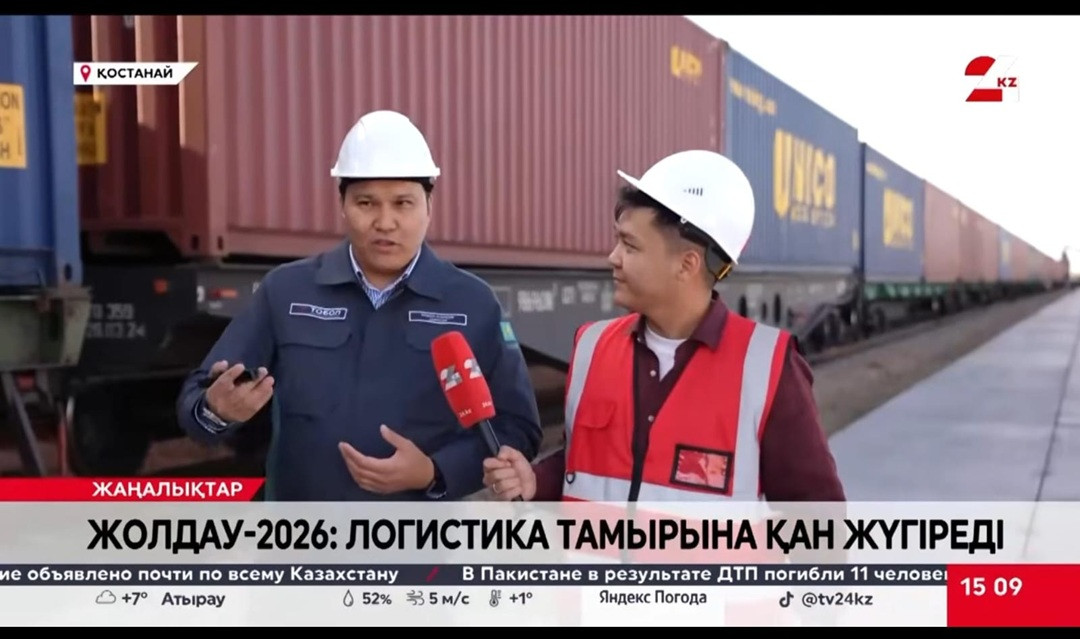
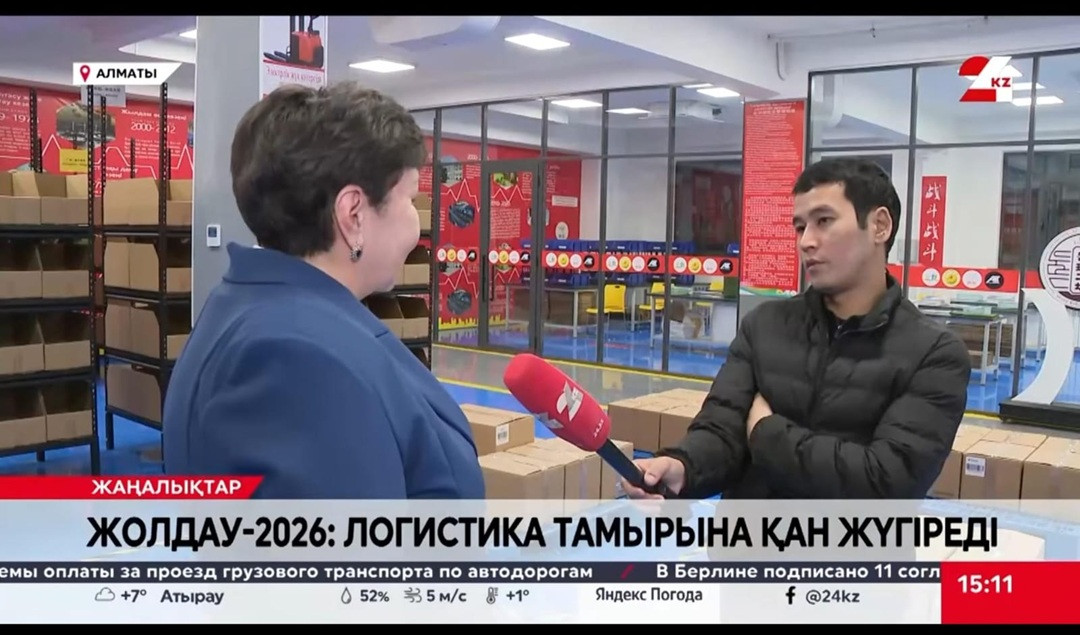
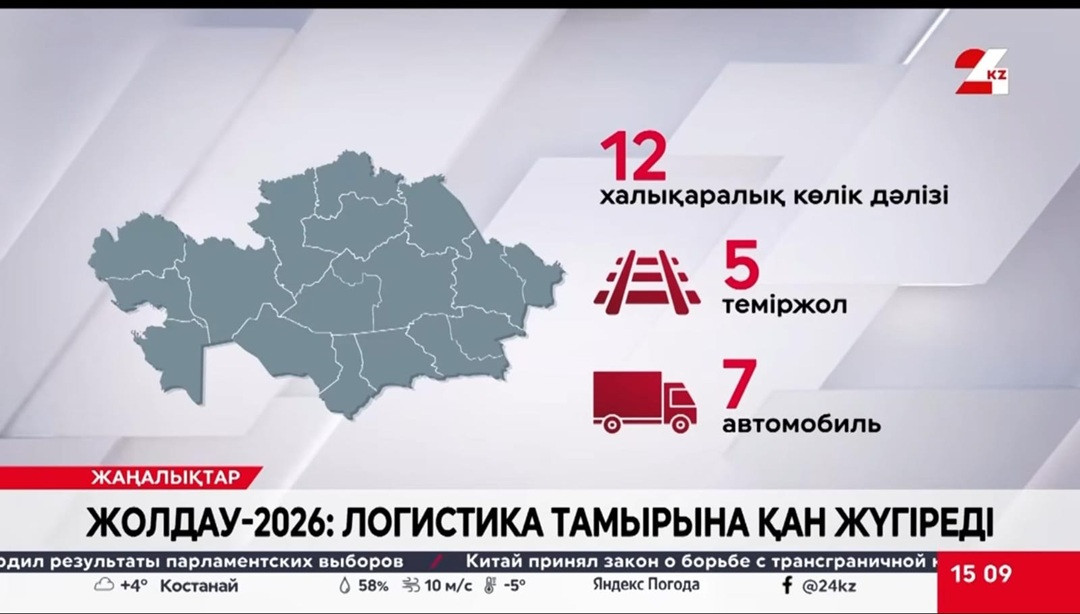
On November 6, 2026, the national television channel 24KZ broadcast an analytical news report entitled “Address 2026: Revitalizing Kazakhstan’s Logistics Sector” (original title: “Жолдау-2026: Логистика тамырына қан жүгіреді”). The report examined the key directions of Kazakhstan’s transport and logistics development and the implementation of objectives outlined by the Head of State.
President Kassym-Jomart Tokayev emphasized the need to make effective use of Kazakhstan’s geographical advantages, strengthen its position in international freight transportation, and establish modern transport infrastructure.
In his Address, the President stated:
“We must create an integrated network of modern, highly developed railways and roads that will connect all regions of Kazakhstan and strengthen our country’s transit potential. This is a strategic objective.”
English translation of the President’s statement originally delivered in Kazakh.
This position highlights the importance of developing Kazakhstan not merely as a transit territory, but as a competitive logistics hub capable of efficiently organizing international freight flows.
In this context, the development of domestic logistics operators and the improvement of the competitiveness of Kazakhstani companies engaged in road freight transportation are of particular importance.
Expert Opinion of an ALT University Professor
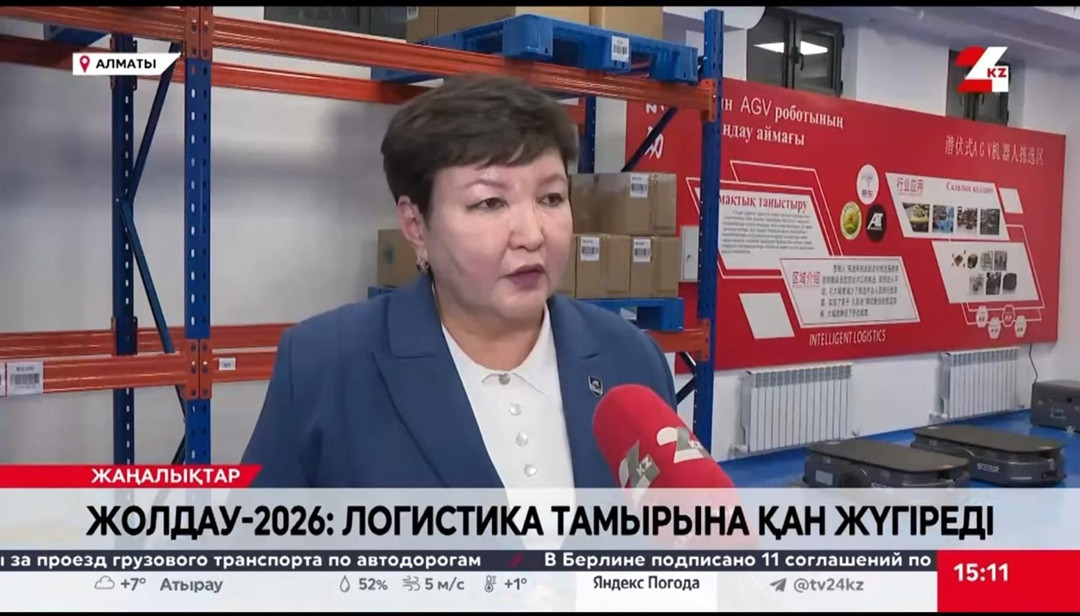
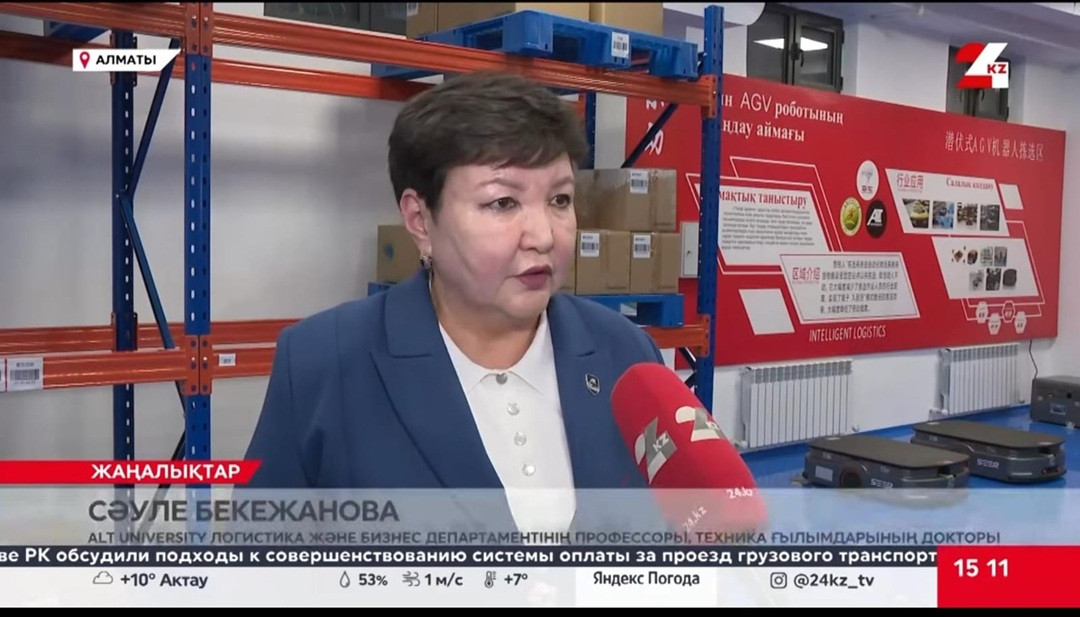
The television report featured expert commentary from Saule Yertayevna Bekzhanova, Professor at the Department of Logistics and Business of ALT University named after M. Tynyshpayev and Doctor of Technical Sciences.
Professor Saule Yertayevna Bekzhanova highlighted several systemic challenges affecting the competitiveness of domestic road freight carriers in the international transport services market.
According to the professor, many Kazakhstani transport companies operate relatively small and technically outdated vehicle fleets. In contrast, foreign carriers use more modern vehicles and cooperate with logistics operators that arrange freight loads in both directions of transportation.
Such an approach enables foreign companies to utilize transport resources more efficiently, reduce empty runs, and strengthen their positions in the international market.
As one possible solution to these challenges, Professor Saule Yertayevna Bekzhanova proposed considering the consolidation of domestic carriers and the establishment of industry associations.
This approach could promote cooperation among smaller transport companies, improve freight transportation coordination, support more efficient fleet utilization, and expand the opportunities available to Kazakhstani carriers in international markets.
From the President’s Strategic Objectives to Practical Solutions
The expert perspective presented by Professor Saule Yertayevna Bekzhanova is closely aligned with the strategic objectives identified by the President of the Republic of Kazakhstan for the development of the transport and logistics sector.
Large-scale infrastructure projects, railway modernization, the development of international transport corridors, and the construction of new logistics centers are creating the necessary conditions for increasing freight flows through Kazakhstan.
In particular, the television report highlighted one of the major infrastructure projects in Kostanay Region: the Tobyl Transport and Logistics Complex. The dry port, designed to handle up to 400,000 containers annually, is intended to expand international freight transportation opportunities and strengthen Kazakhstan’s logistics connections with China, Central Asian countries, Türkiye, Iran, and European states.
However, the effectiveness of such projects depends not only on the condition of transport infrastructure but also on the ability of national transport companies to take full advantage of the opportunities being created.
Therefore, the issue of improving the competitiveness of domestic carriers, raised by Professor Saule Yertayevna Bekzhanova, is particularly relevant to the implementation of Kazakhstan’s national transport and logistics policy.
The development of industry cooperation, fleet modernization, improvements in transport operations, and greater logistics efficiency could become important components in strengthening Kazakhstan’s position within the international transport system.
ALT University’s Scientific and Expert Contribution to Transport Sector Development
The participation of Professor Saule Yertayevna Bekzhanova in a national television discussion on current challenges in the transport and logistics sector highlights the significance of ALT University’s scientific and expert capacity in addressing Kazakhstan’s strategic development priorities.
For a university specializing in the education and training of transport and logistics professionals, the integration of science, education, and industry practice is particularly important. Equally significant is the active involvement of academic staff in professional discussions of pressing sectoral challenges.
Expert assessments provided by university scholars make it possible to examine transport system development not only from the perspective of infrastructure construction, but also in terms of transportation efficiency, the competitiveness of transport enterprises, and the improvement of logistics mechanisms.
Thus, the expert opinion of Professor Saule Yertayevna Bekzhanova underscores the importance of an integrated approach to implementing the strategic initiatives of the President of the Republic of Kazakhstan, in which transport infrastructure development is accompanied by the strengthening of domestic carriers’ capabilities.
United Nations Sustainable Development Goal
SDG 9 — Industry, Innovation and Infrastructure
The development of modern transport and logistics infrastructure, improvements in freight transportation efficiency, and the strengthening of domestic transport companies’ competitiveness contribute to building a sustainable and innovative transport system in Kazakhstan.
Original report: https://24.kz/kz/zha-aly-tar/kogam/804285-zoldau-2026-logistika-tamyryna-kan-zugiredi
Author: Alik Asel