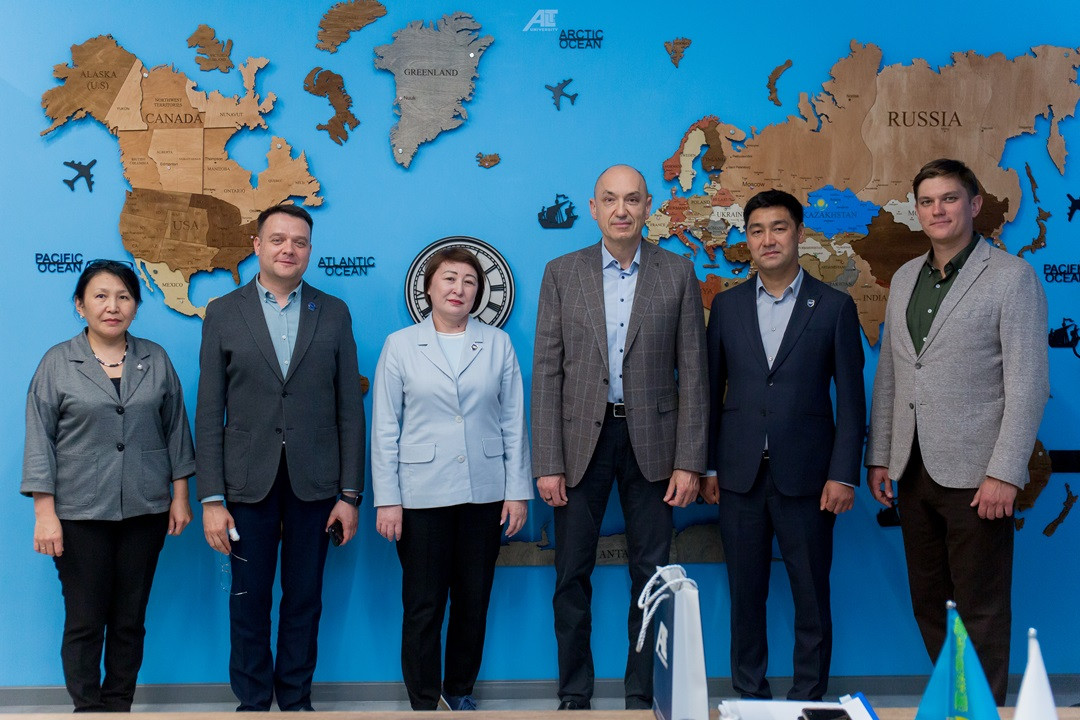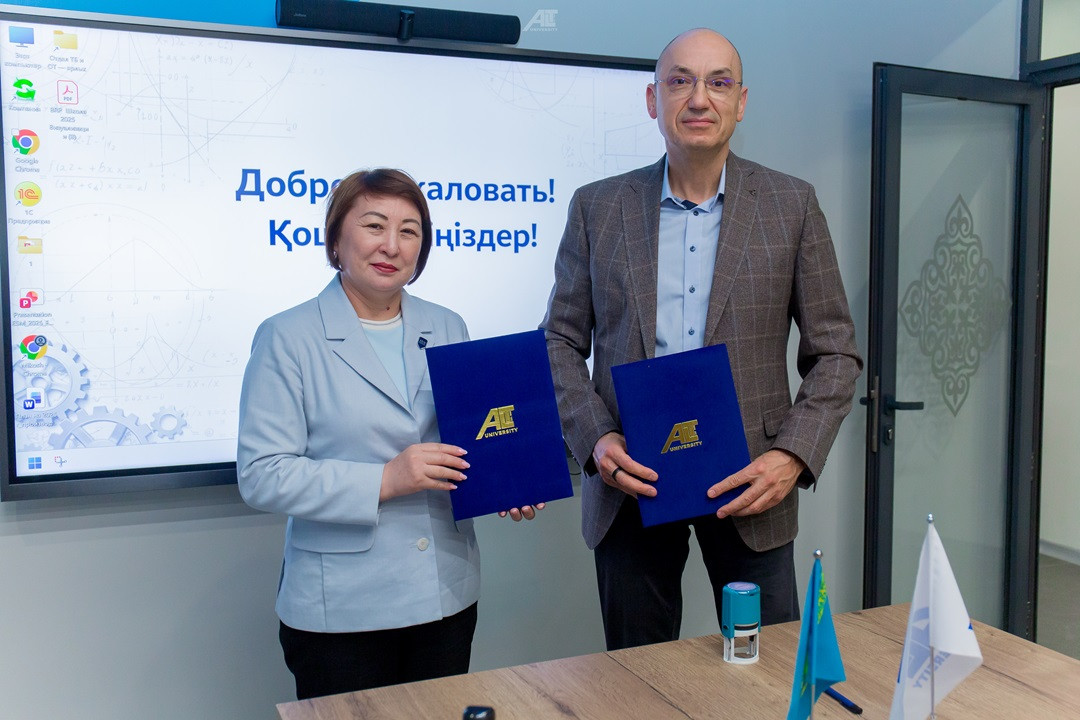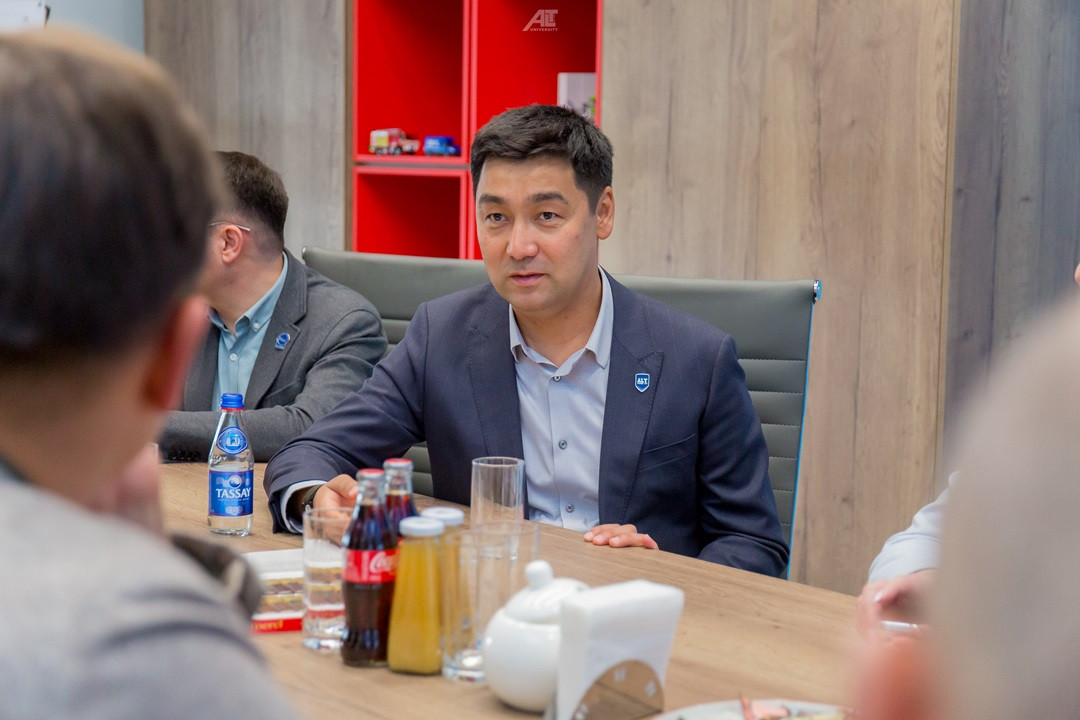
In Kazakhstan, a new logic of interaction between universities and industry is gradually taking shape. It moves beyond traditional practices and internships and increasingly takes on a systemic character. The signing of a memorandum of cooperation between the Mukhamedzhan Tynyshpaev ALT University and Eurasia ST LLP is one such example. The memorandum formalizes the parties’ intention to build a long-term partnership focused on the development of educational, scientific, and research activities, as well as on improving the quality of engineering personnel training.
The parties agreed to work together in several areas:
-
Development and updating of educational programs considering industry requirements;
-
Implementation and development of dual education;
-
Organization of internships and practical training for students, master’s students, and university staff;
-
Conducting joint scientific and educational events;
-
Development of educational and methodological materials;
-
Implementation of joint scientific projects;
-
Assistance in the employment of graduates;
-
Opening laboratories and creating a competence center at the university.
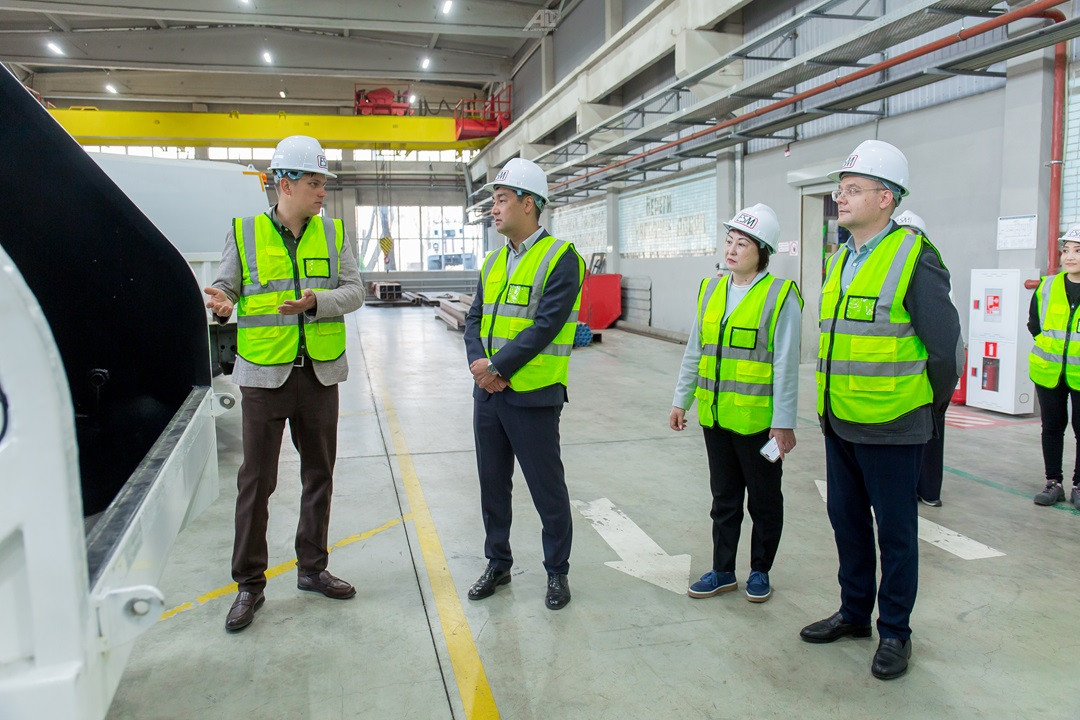
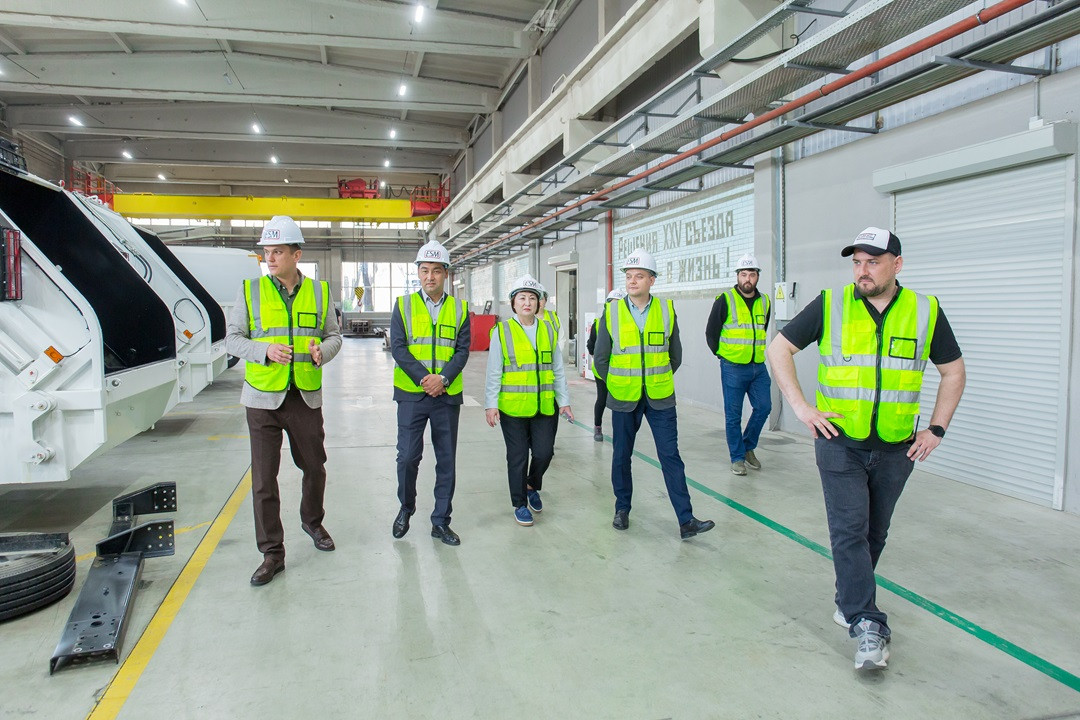
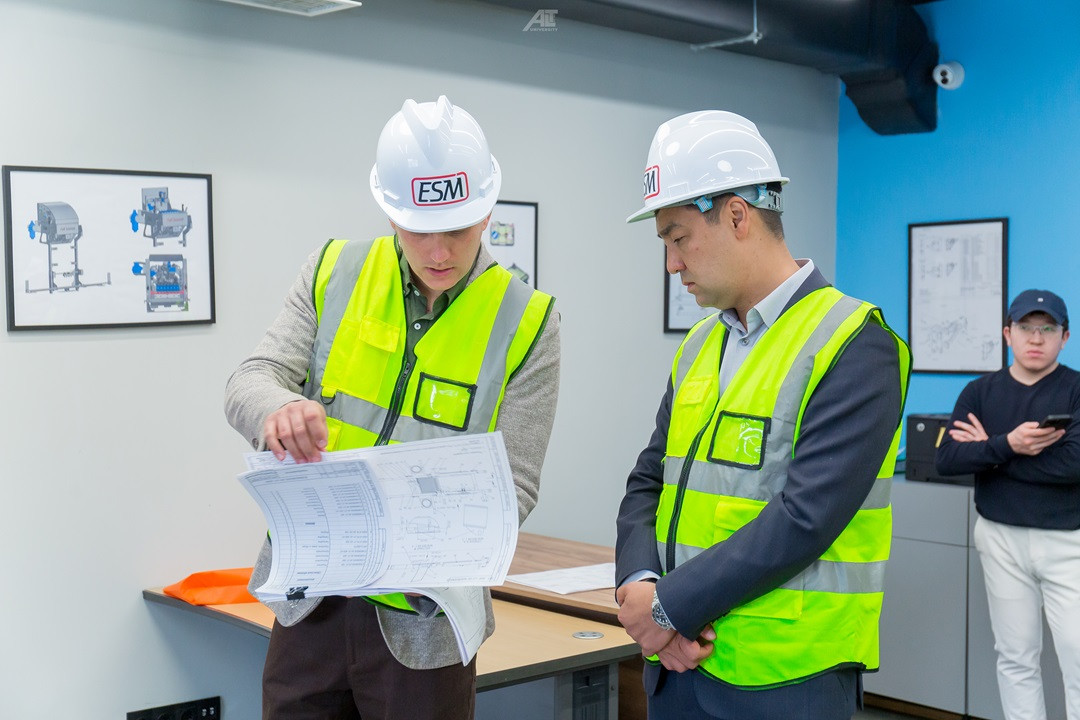
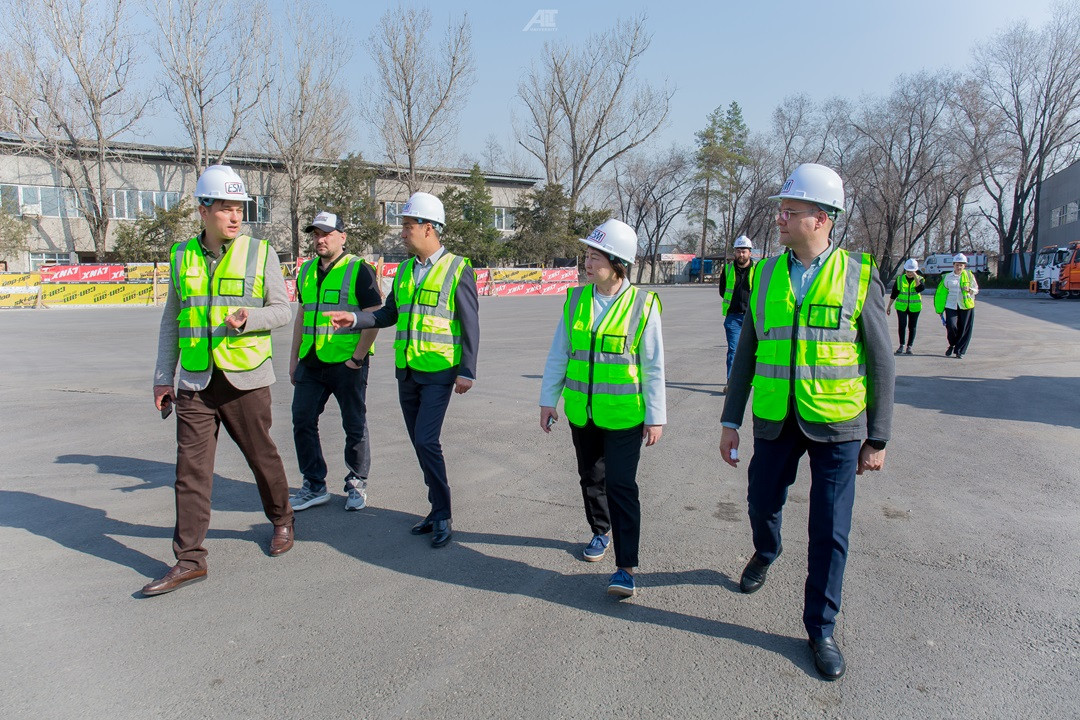
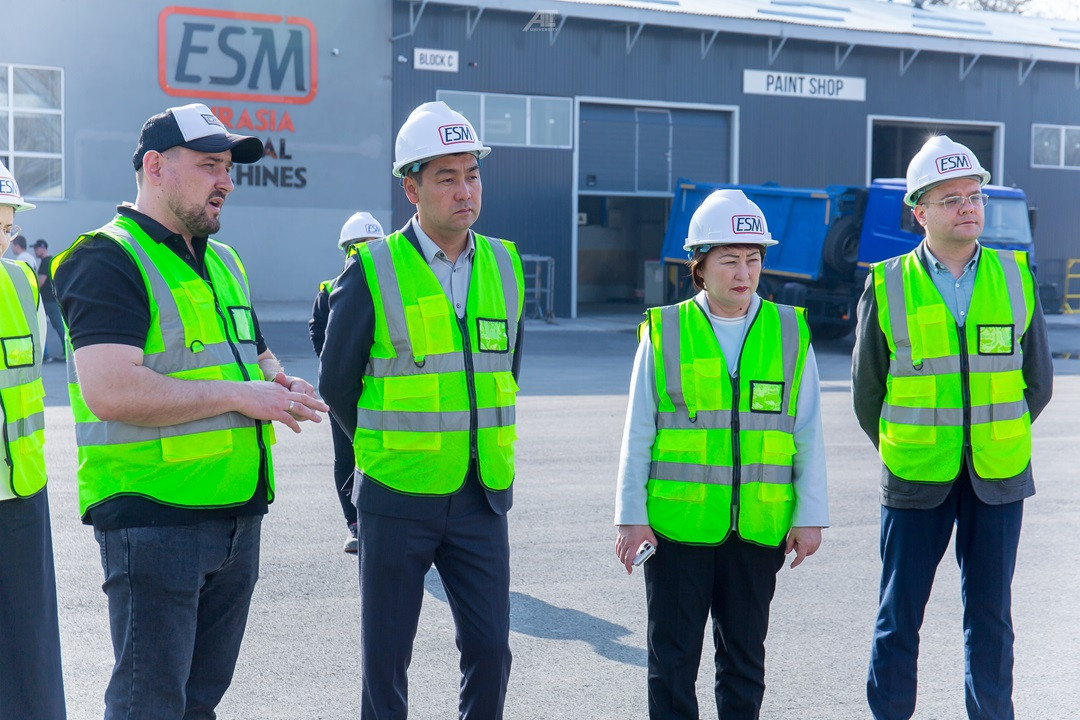
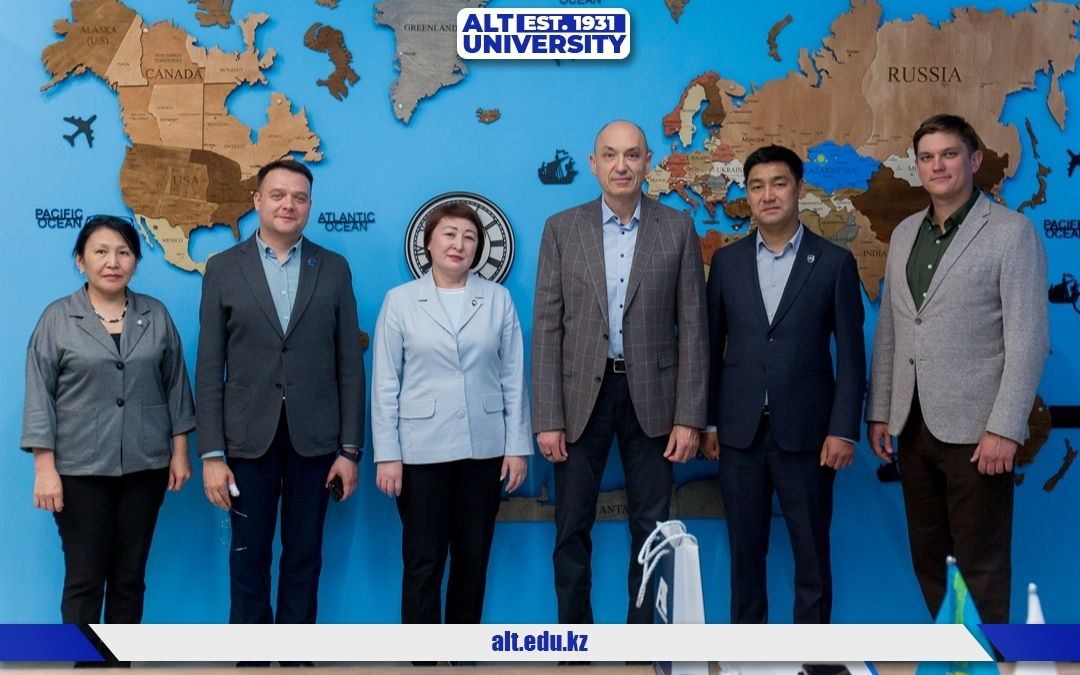
As part of the signing of the memorandum, a delegation from ALT University, represented by Arslan Seriktegi (Chairman of the Board of Directors), Meruert Zharmagambetova (Chairwoman of the Board – Rector), Andrey Ivanov (Vice-Rector for Corporate and Social Development), and Aigul Sultanguzhieva (Head of the Career Development Office), visited the production site of Eurasia ST. The enterprise is a modern production complex where a full cycle of machinery creation is implemented — from design to assembly. The plant, covering 3 hectares, combines production facilities of 6,000 m² and an administrative block of 850 m². The production of electrical wiring, hydraulic systems, control panels, and attachments has been established here. The company specializes in the production of communal, road, and specialized machinery adapted to various climatic and operational conditions. The presence of a full production cycle and proprietary technological solutions makes the enterprise not only an industrial site but also a full-fledged environment for training future specialists.
One of the key areas of cooperation is the development of dual education. This refers to a model in which the educational process is structured in parallel with practical activities in production. This allows students not only to acquire theoretical knowledge but also to apply it immediately in real-world conditions. For the university, this means the opportunity to update the content of educational programs, bringing them closer to real industry tasks. For the company, it means participating in the formation of a talent pool and training specialists who meet its technological and production requirements.
Special attention is paid to research and development activities. The parties plan to develop and implement joint projects, exchange research results and publications, and participate in conferences. Such interaction creates conditions for the integration of science and production, where research work is oriented towards solving specific engineering and technological tasks. A promising direction is the creation of a joint competence center (including a college format) based at the university. This will allow for the systematization of specialist training, combining the university’s educational resources with the company’s production capabilities, and implementing modern teaching approaches.
Such partnerships reflect a general trend in the development of higher education — the transition from isolated educational models to integration with industry. In an environment of accelerating technological transformation and increasing requirements for specialist qualifications, it is these forms of interaction that allow for the sustainable development of the personnel training system. The strategic partnership between ALT University and Eurasia ST LLP is an example of how a university and a business can build cooperation aimed not only at current tasks but also at shaping the future of engineering education in the country.