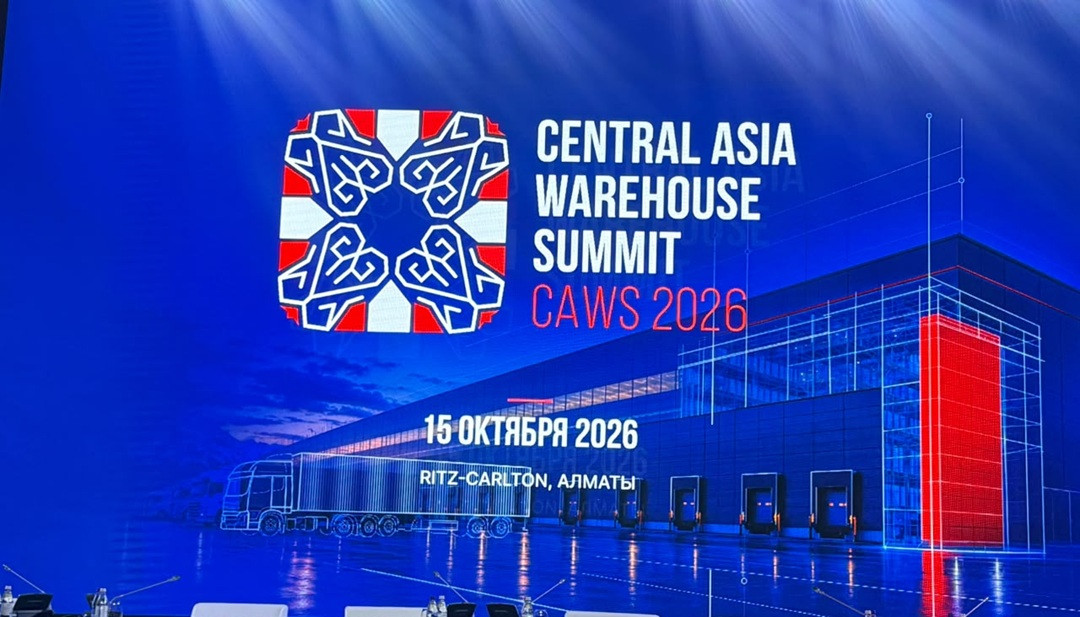
On October 15, 2026, the international Central Asia Warehouse Summit (CAWS 2026) took place at The Ritz-Carlton in Almaty. The summit is one of Central Asia’s leading industry platforms dedicated to the development of warehouse real estate, logistics, retail, innovative technologies, and investment.
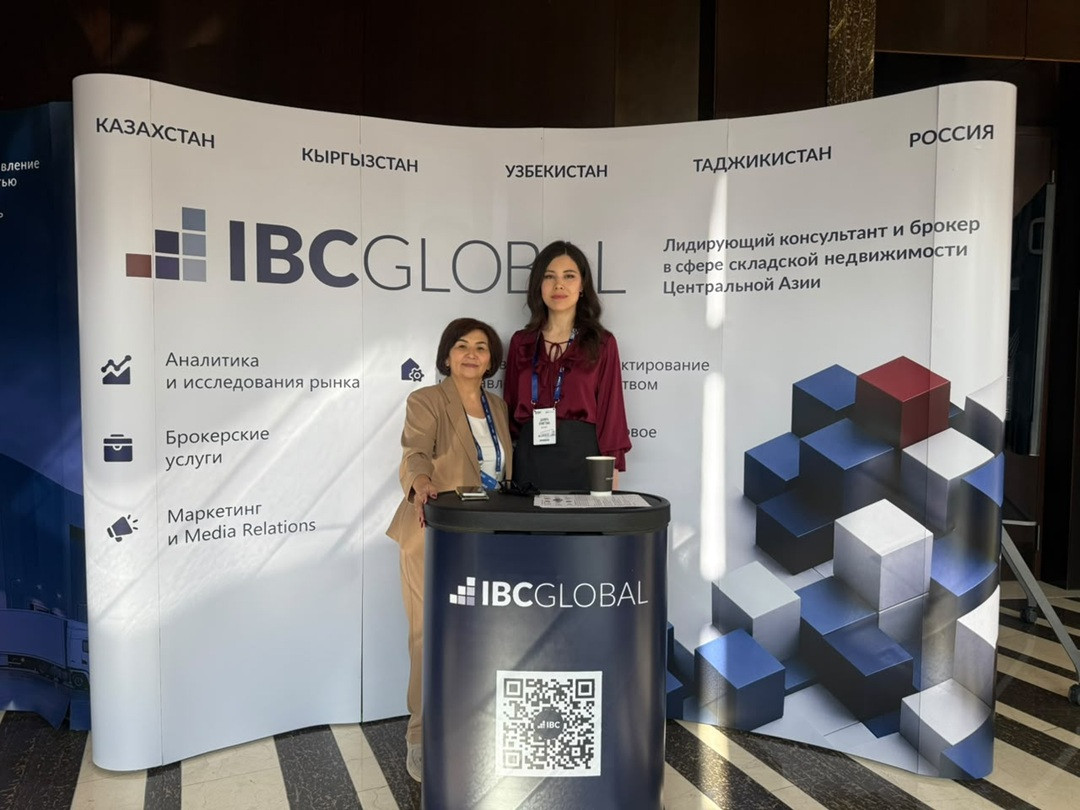
Organized by the international consulting company IBC Global, the event brought together more than 350 participants from 13 countries, including representatives of logistics operators, real estate development companies, retail chains, investment organizations, businesses, and the professional community.
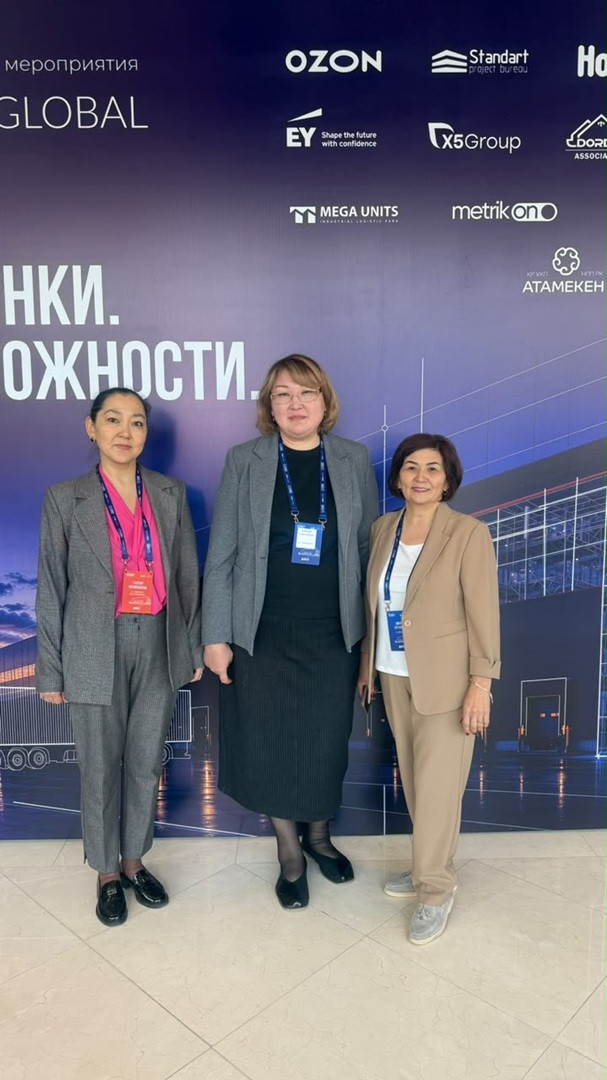
Representatives of ALT University named after Mukhametzhan Tynyshpayev participated in the international summit:
-
Gaukhar Zhumashevna Kenzhebayeva — Head of the Department of Logistics and Business, Candidate of Technical Sciences, Associate Professor;
-
Saltanat Yergaziyevna Badambayeva — Deputy Director of the Institute of Logistics and Business, Senior Lecturer;
-
Ainur Zhanatbekovna Sugurova — Candidate of Economic Sciences, Associate Professor at ALT University.
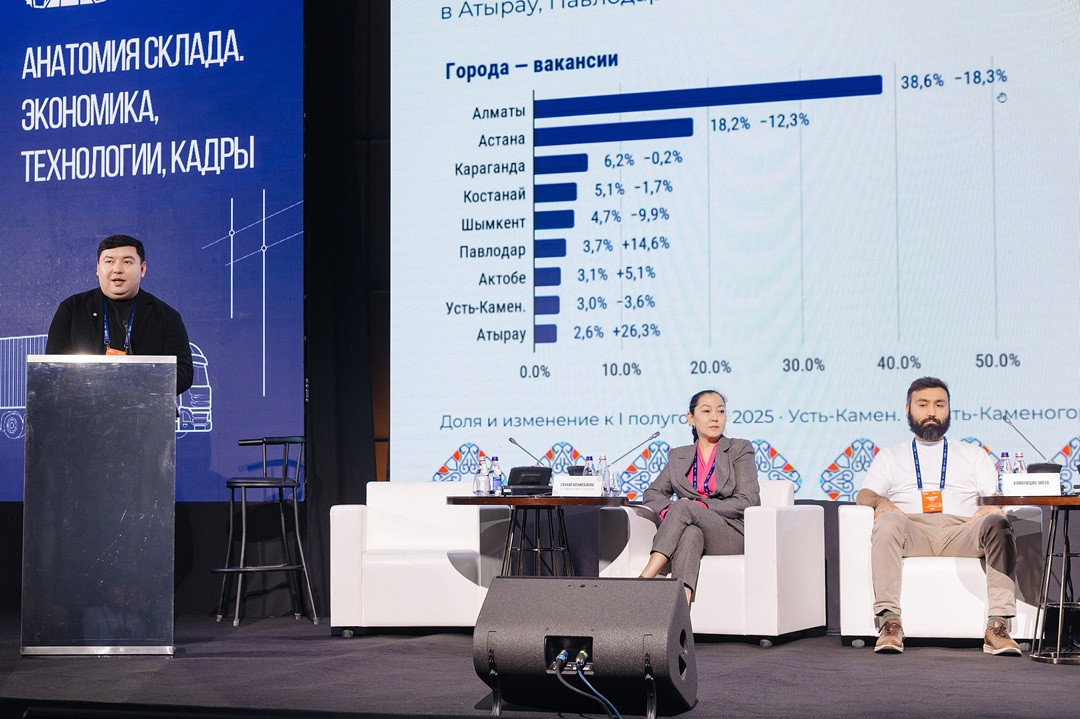
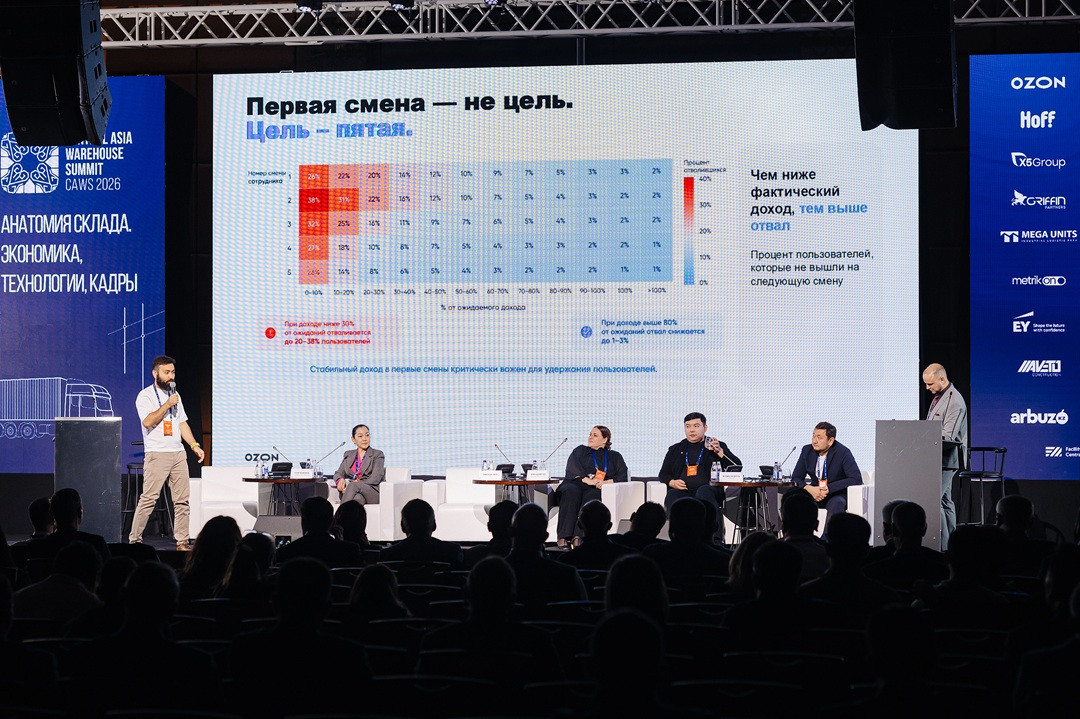
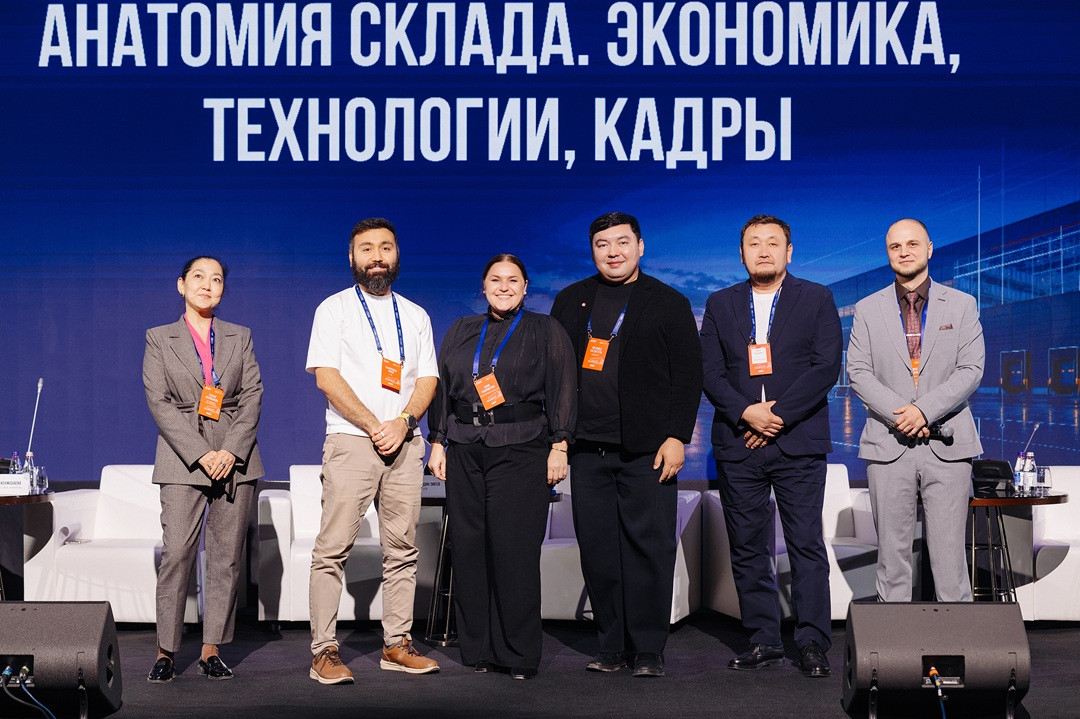
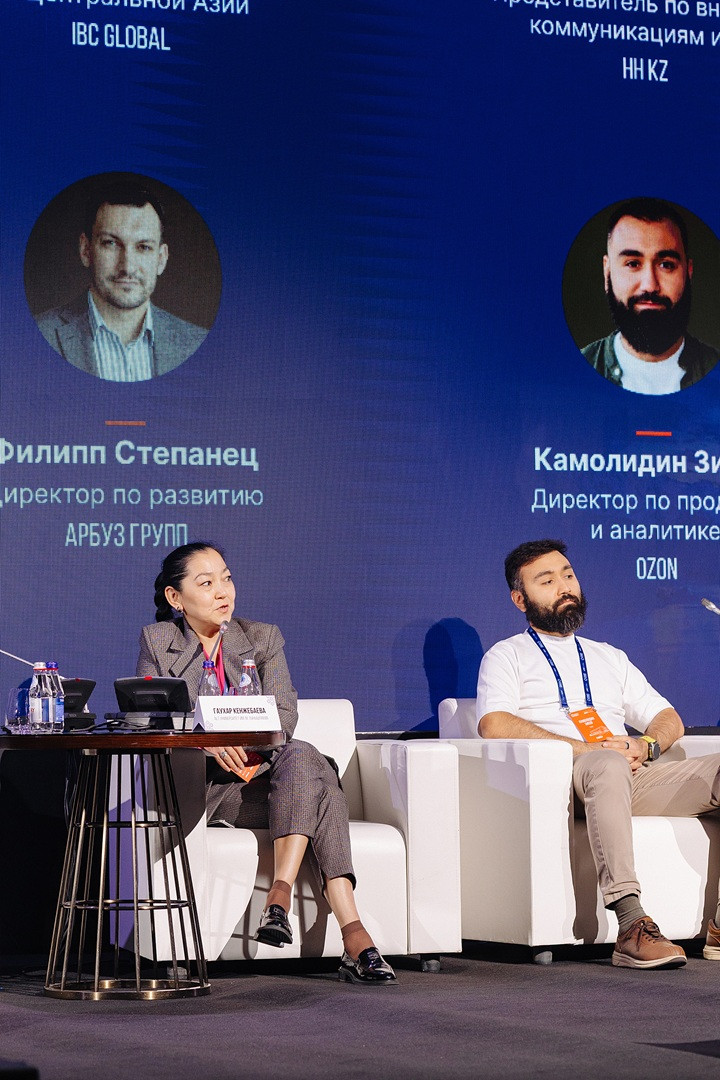
A key highlight of the university’s participation was Gaukhar Kenzhebayeva’s contribution as a speaker in the panel discussion “Anatomy of a Warehouse: Economics, Technology, and Workforce.”
The discussion brought together representatives of educational institutions, logistics companies, fulfillment operators, warehouse facility management organizations, and recruitment platforms. The main focus was on workforce development in Kazakhstan’s warehousing sector, employers’ requirements for professional competencies, and the prospects for training specialists amid the industry’s technological transformation.
Particular attention was given to the introduction of automated warehouse systems, digital inventory management platforms, Warehouse Management Systems (WMS), intelligent technologies, and modern approaches to organizing warehouse operations.
During the panel session, participants addressed the mismatch between the availability of job candidates and the competencies required by modern logistics facilities. They discussed the importance of practice-oriented education, cooperation between educational institutions and employers, and adapting professional training to the evolving needs of businesses.
ALT University’s participation in the discussion highlighted the important role of transport and logistics education in providing the warehousing industry with qualified professionals. Modern logistics facilities require not only specialists in transportation management and warehouse operations but also professionals skilled in digital technologies, automation tools, data analytics, and supply chain management.
One of the key topics was the need to strengthen cooperation between universities and employers. This includes developing practical training opportunities, updating educational programs, organizing professional internships, and involving industry representatives in the educational process.
In addition to workforce-related issues, the CAWS 2026 program covered the prospects for warehouse real estate development in Central Asia, the investment attractiveness of logistics infrastructure, emerging technological solutions, and changing requirements driven by retail and e-commerce.
The participation of ALT University representatives in the international summit provided an opportunity to explore current trends in the warehousing market, exchange professional experience, and expand cooperation with representatives of the transport and logistics industry.
ALT University continues to promote practice-oriented education, strengthen partnerships with the business community, and improve the training of specialists capable of working effectively in the context of digitalization and modernization of Kazakhstan’s logistics infrastructure.
Contribution to the United Nations Sustainable Development Goals
- SDG 8 — Decent Work and Economic Growth — supporting the training of in-demand professionals and strengthening the workforce capacity of the transport and logistics industry.
- SDG 9 — Industry, Innovation and Infrastructure — developing competencies required for the adoption of innovative technologies and modernization of warehouse infrastructure.
- SDG 17 — Partnerships for the Goals — strengthening cooperation between the university, businesses, industry organizations, and the international professional community.
Author: Alik Asel