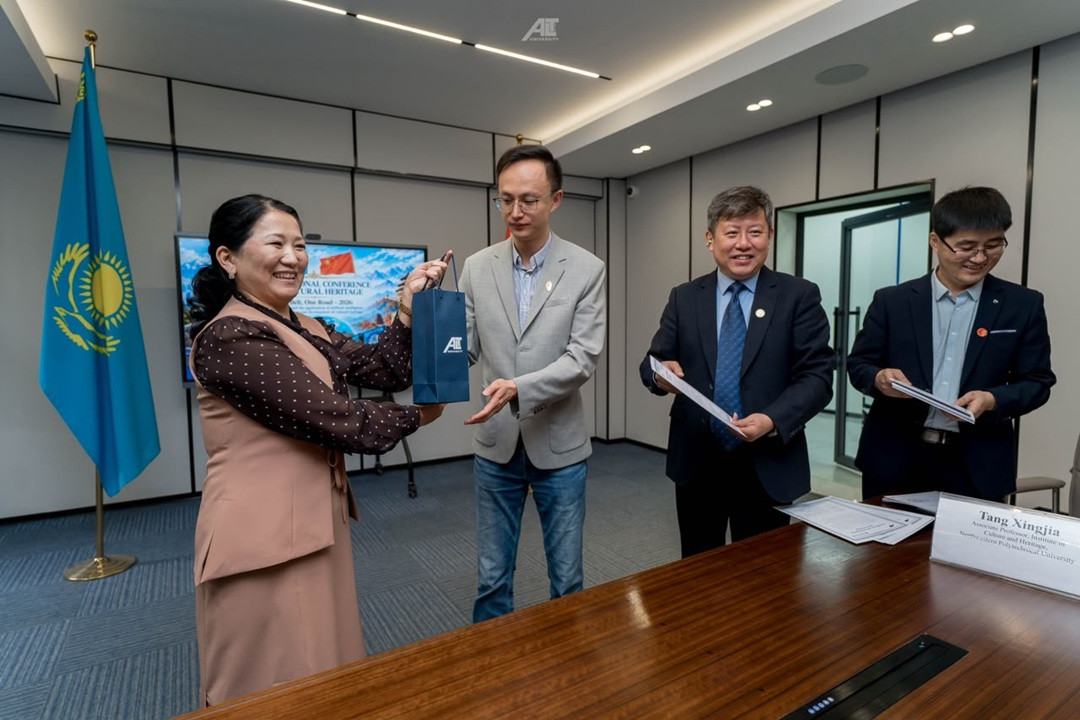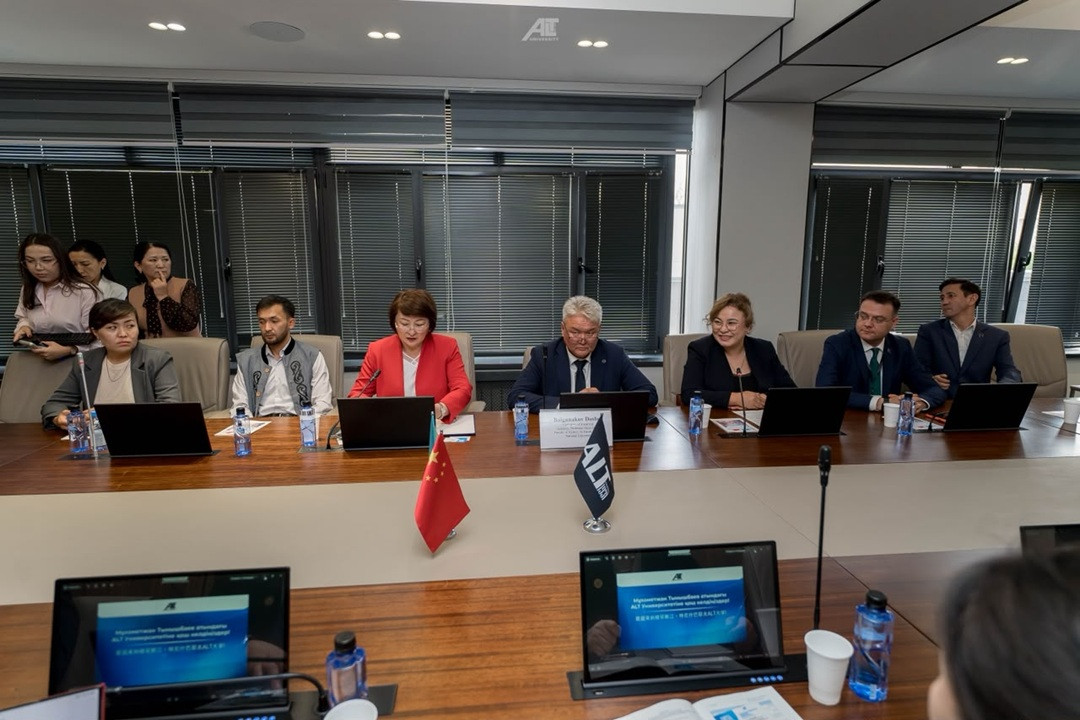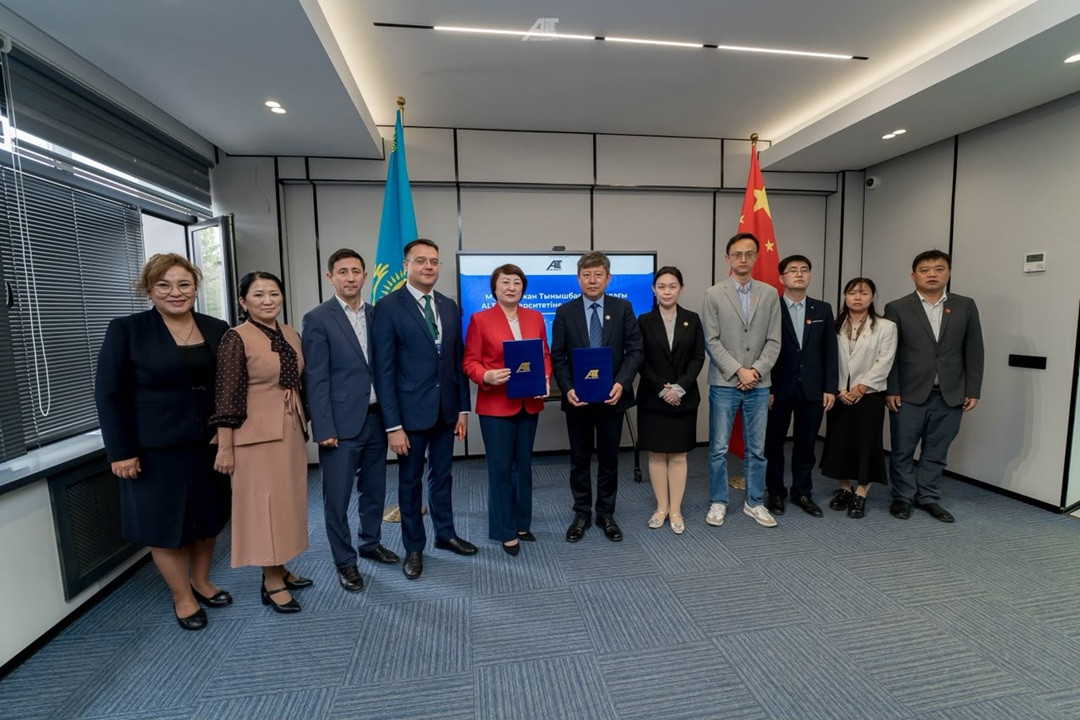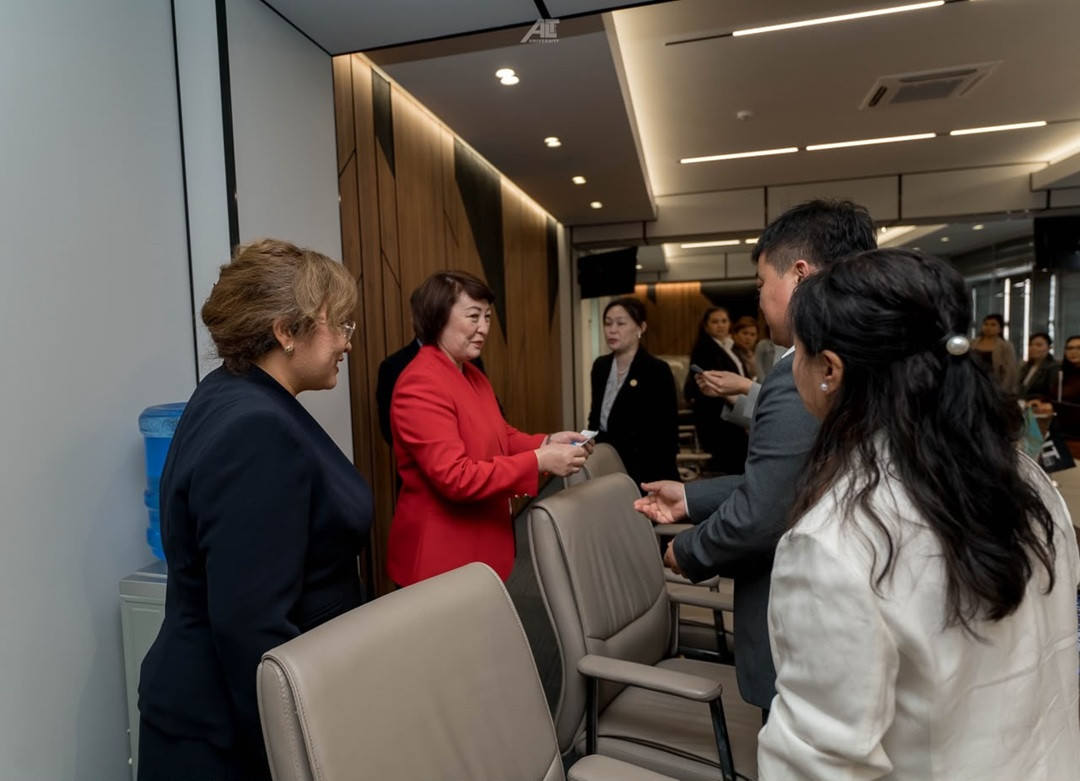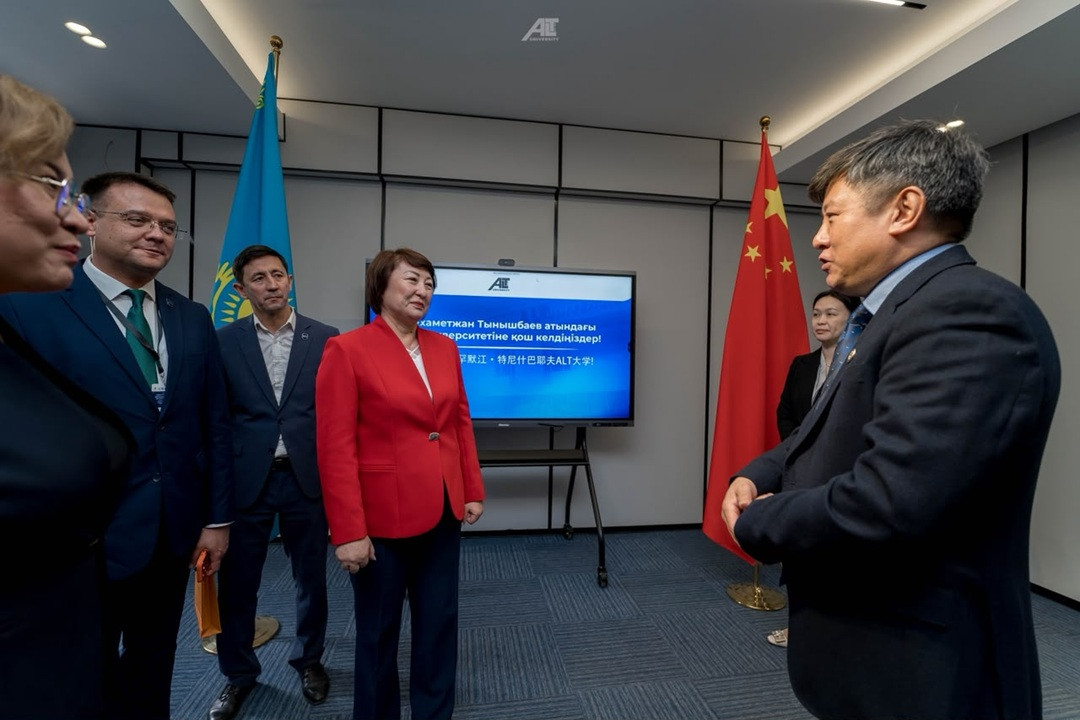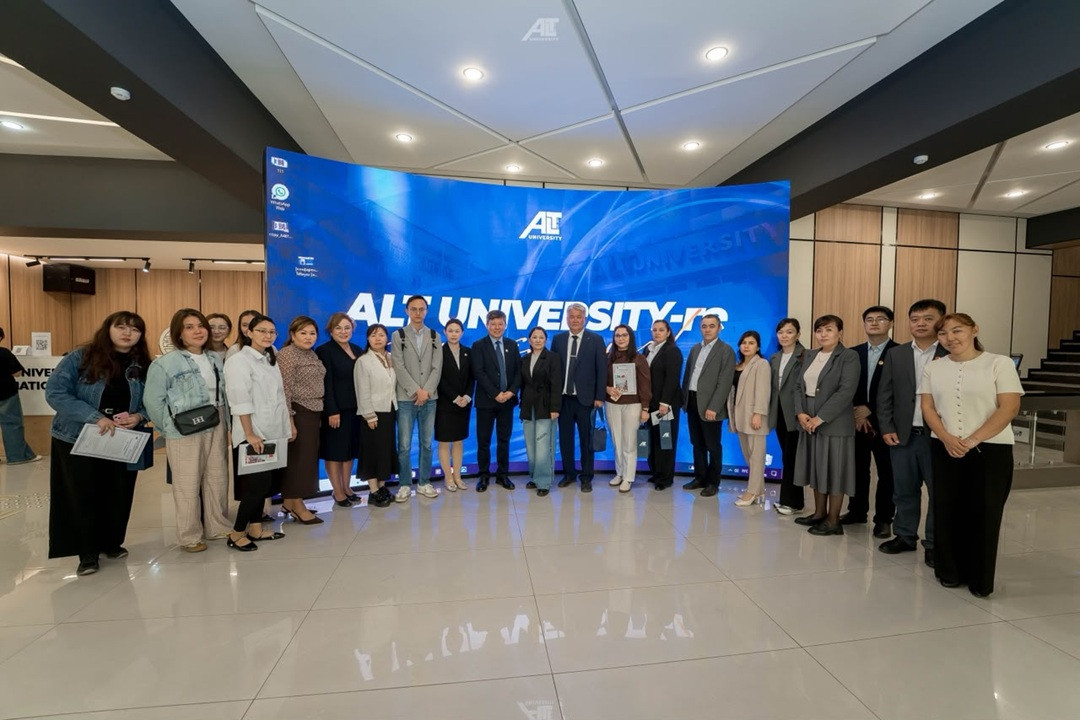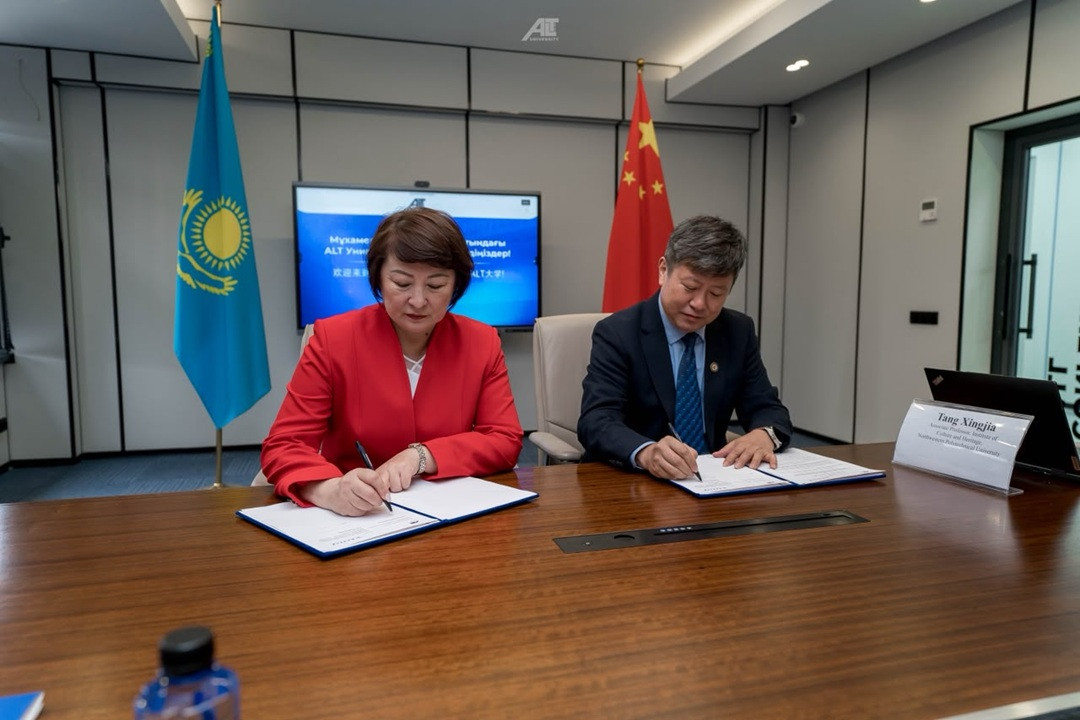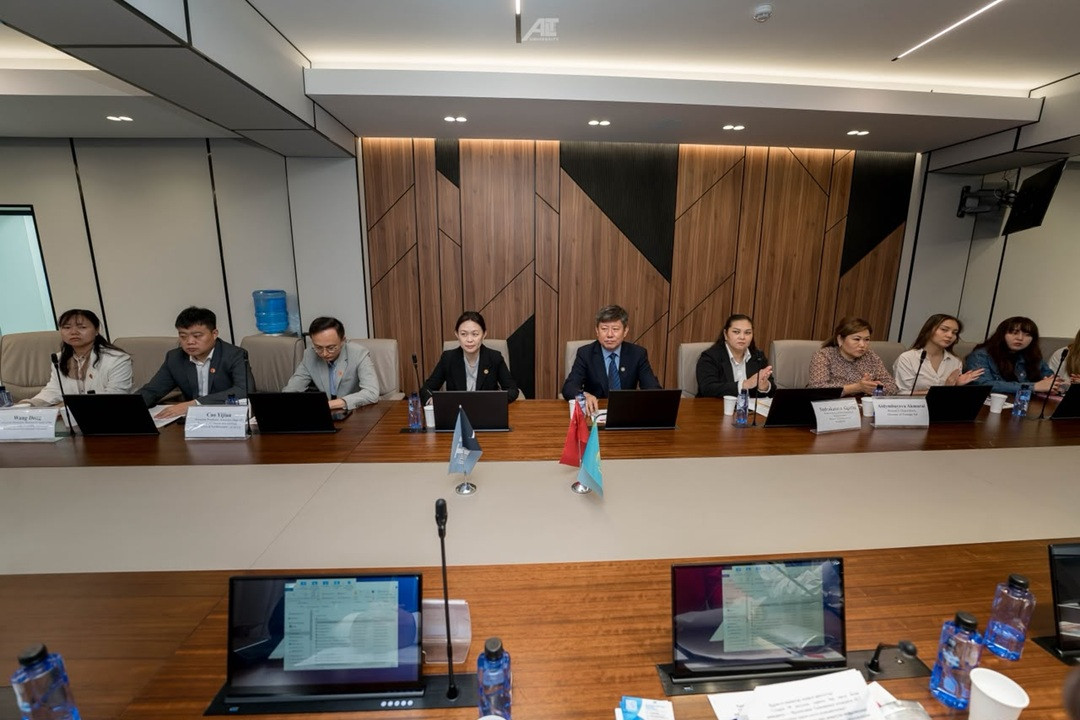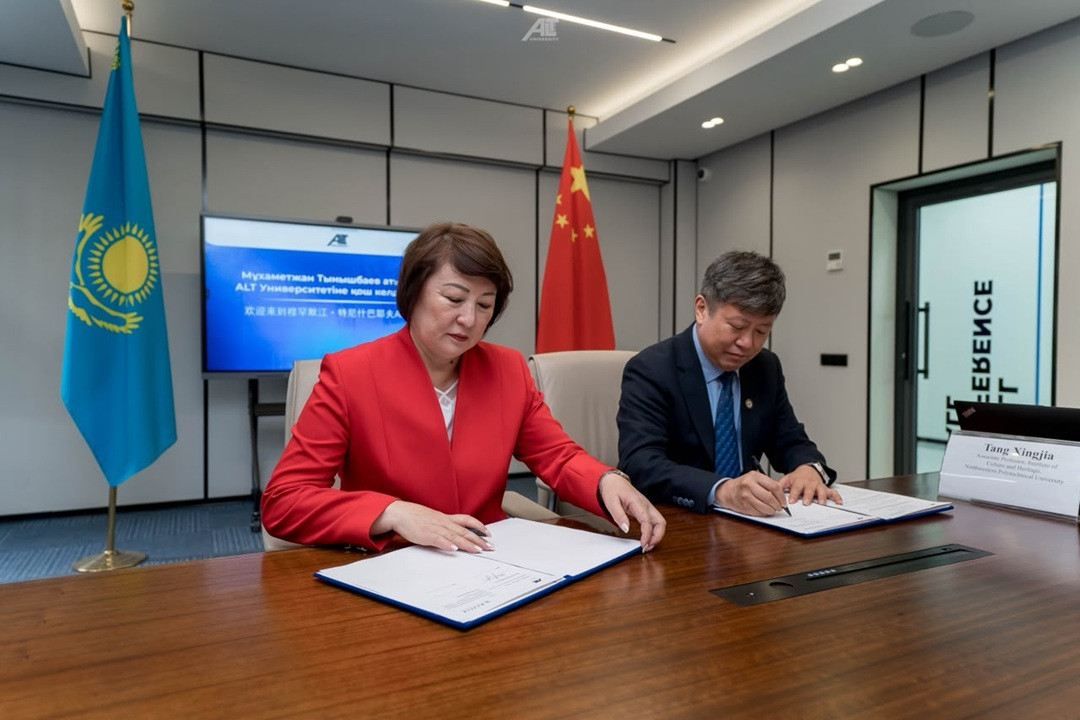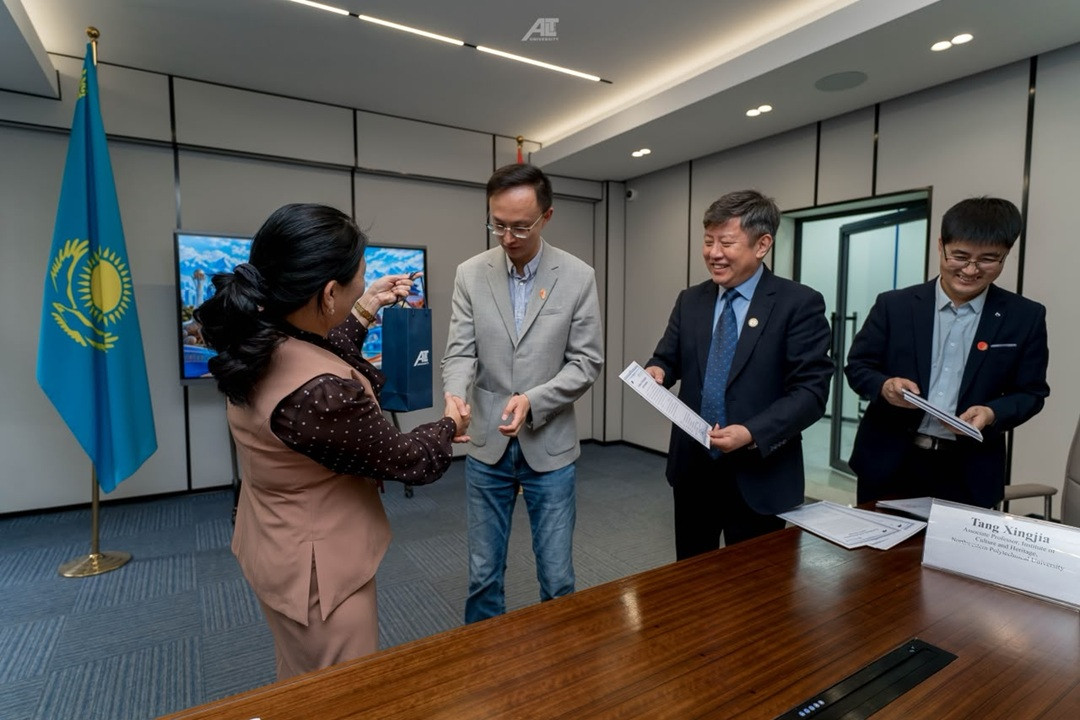
On 24 September 2026, ALT University hosted the International Conference “Belt and Road – 2026: Digitalization and the Application of Artificial Intelligence in the Preservation and Development of Cultural Heritage.”
The event contributed to Sustainable Development Goal 9, Industry, Innovation and Infrastructure, which promotes scientific research, the adoption of innovative technologies, and stronger modern technological infrastructure.
The conference brought together researchers, educators, and museum professionals from Kazakhstan and China. Participants discussed modern technologies for cultural heritage preservation, the digitization of museum collections, and the potential uses of artificial intelligence in research and restoration.
The conference was organized and moderated by Kassymova Dinara Tugelbekovna, Head of the Department of Computer Science at ALT University.
Participants represented Northwestern Polytechnical University in China, Al-Farabi Kazakh National University, the National Central Museum of Kazakhstan, the Abylkhan Kasteyev State Museum of Arts, and ALT University.
Welcoming remarks were delivered by Meruert Sovetovna Zharmagambetova, Rector of ALT University; Dosbol Suleimenuly Baigunakov, Dean of the Faculty of History at Al-Farabi Kazakh National University; and Sun Ao, Vice President of the Kazakhstan Branch of Northwestern Polytechnical University. They emphasized the importance of cooperation among universities, museums, and research organizations in studying and preserving the cultural heritage of the Silk Road.
Scholars from the Institute of Culture and Heritage at Northwestern Polytechnical University — Dong Wenqiang, Cao Yijian, Wang Dong, Wang Juanli, and Tang Xingjia — presented new materials and technological solutions for preserving stone, wooden, and paper artefacts, as well as wall paintings. Particular attention was given to the digital documentation and study of cultural heritage objects through hyperspectral imaging.
Kazakhstani museum professionals shared their experience in restoring the traditional saukele headdress. Sargizova Gulzada Baltabekovna, Senior Lecturer in the Department of Social Sciences and Human Development, delivered a presentation entitled “Bone Artifacts of Kazakhstan: Based on the Bronze Age Sites of Central Kazakhstan.” Ardak Yershatkyzy, a doctoral student at the Department of Chinese Studies, Faculty of Oriental Studies, Al-Farabi Kazakh National University, presented her perspective on current issues in cultural heritage preservation.
Interpretation and language support were provided by Duisenbay Kulpynay, Senior Lecturer at the Department of Chinese Studies, Faculty of Oriental Studies, Al-Farabi Kazakh National University. Her contribution supported a substantive academic dialogue between representatives of Kazakhstan and China.
During the conference, participants discussed prospects for joint research, the digitization of museum collections, the introduction of artificial intelligence technologies, and the development of academic exchange. The meeting concluded with agreed areas for further cooperation.
The conference promoted the exchange of scientific and practical experience, strengthened professional ties between Kazakhstan and China, and supported the development of new international projects. The use of digital technologies and artificial intelligence in cultural heritage preservation advances SDG 9 and contributes to the development of innovative research infrastructure.
Author: Omirbekova Z. M.