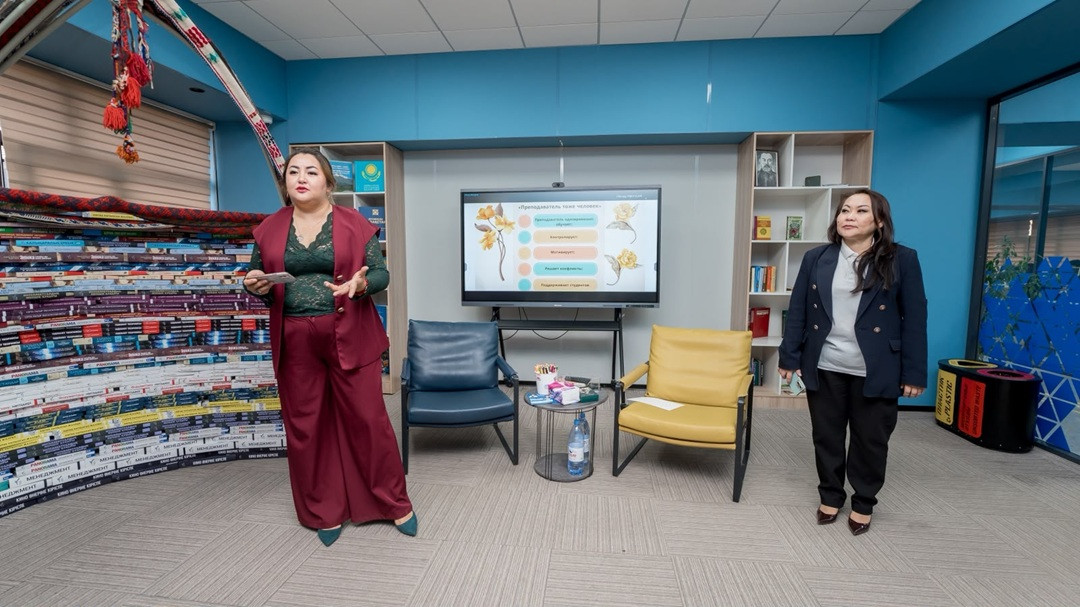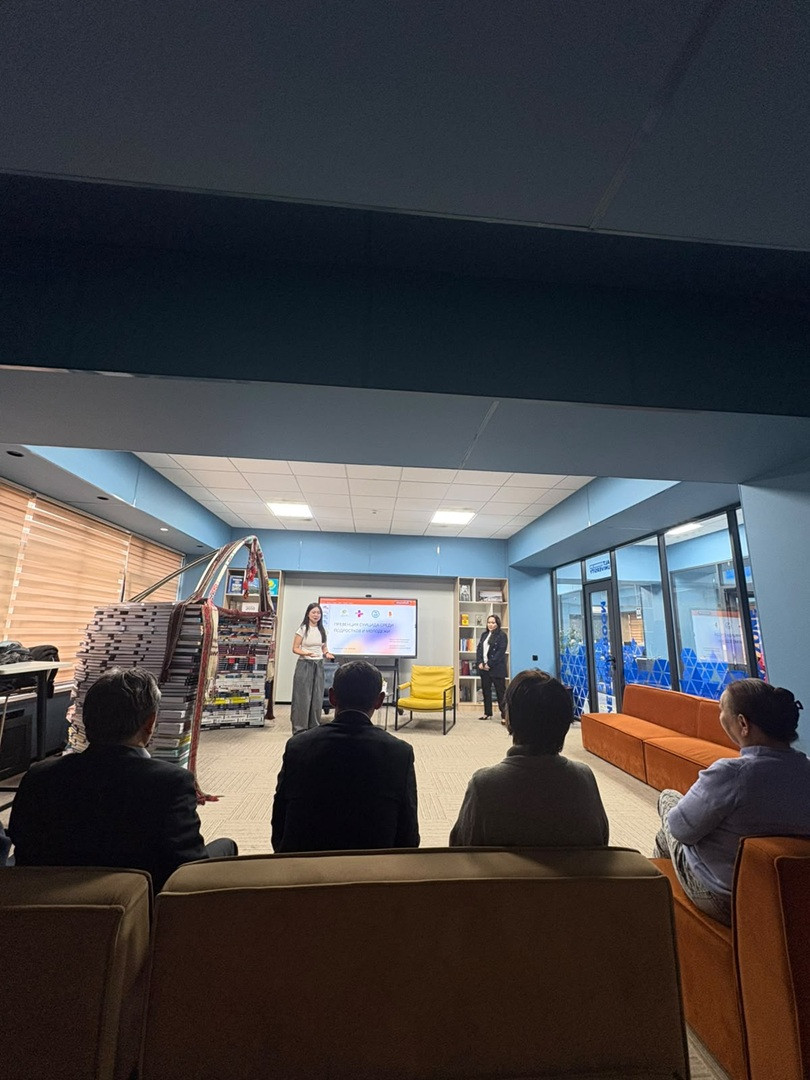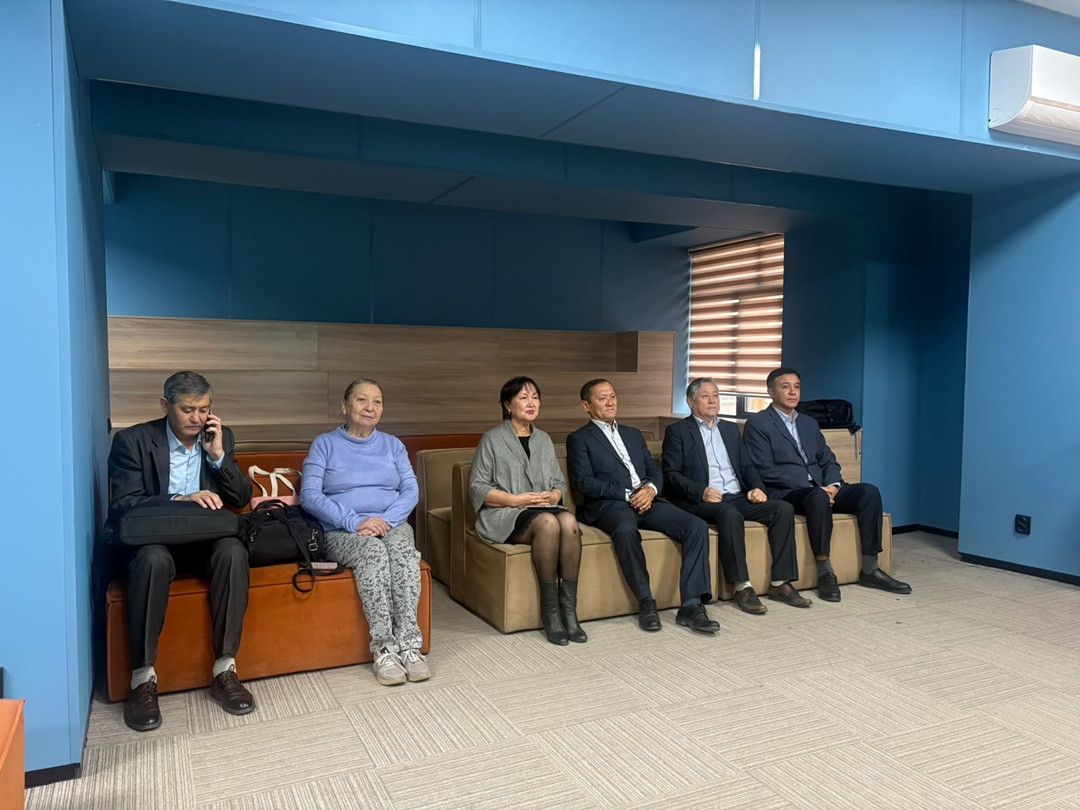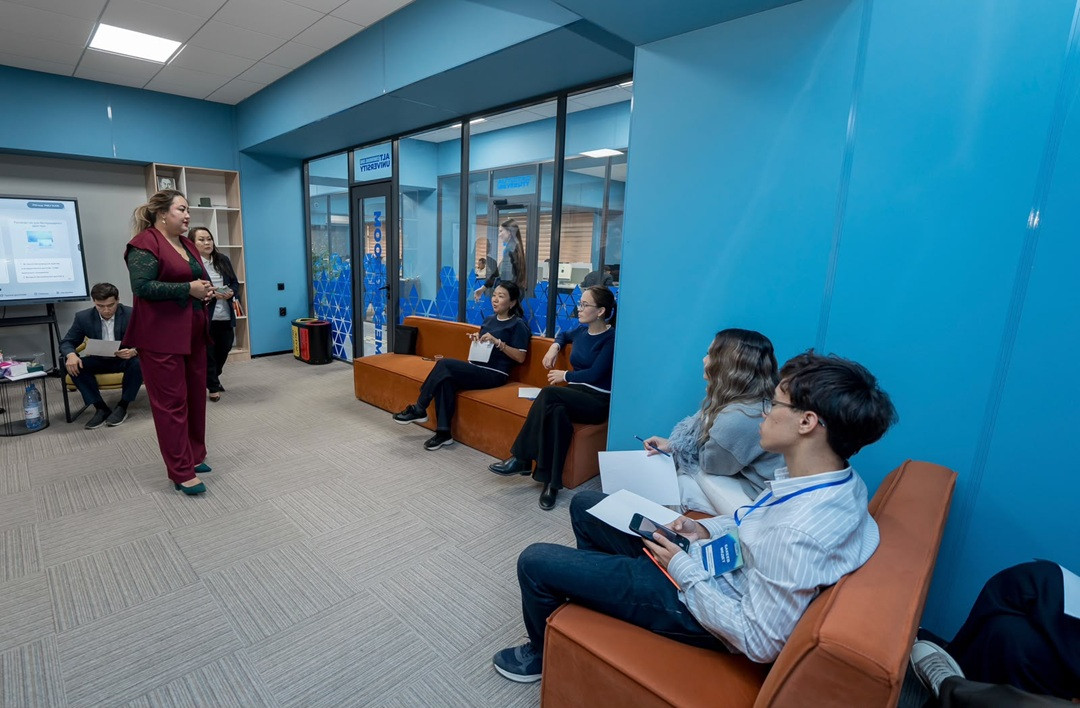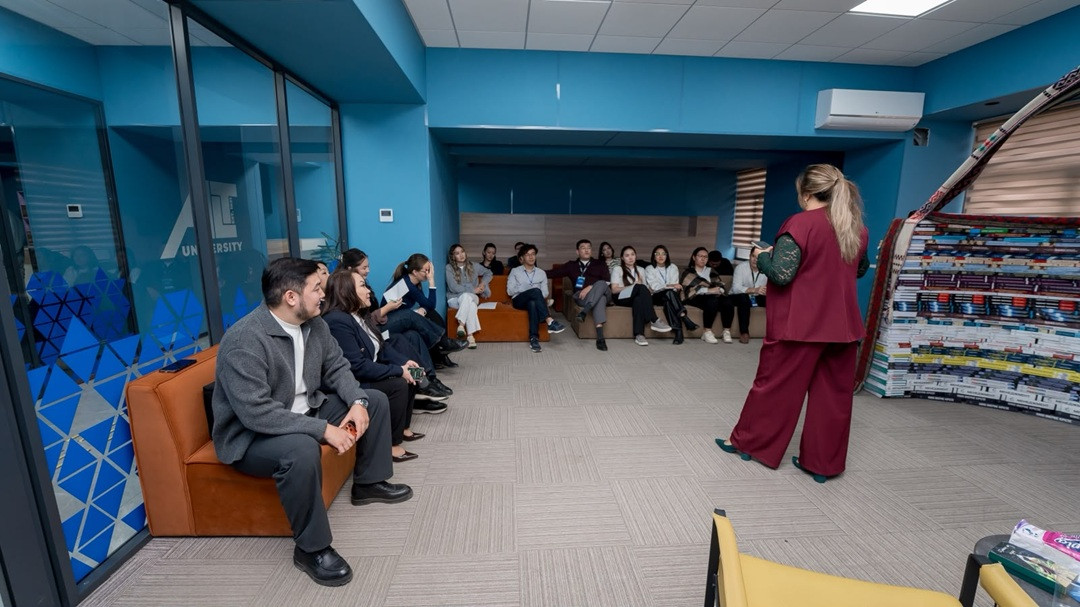
As part of the implementation of the United Nations Sustainable Development Goals—SDG 3 “Good Health and Well-Being,” SDG 4 “Quality Education,” SDG 10 “Reduced Inequalities,” SDG 16 “Peace, Justice and Strong Institutions,” and SDG 17 “Partnerships for the Goals”—the Office of Inclusive Education and Mental Health held the third day of Practical Psychology Week. The activities were aimed at strengthening the psychological well-being of faculty members and academic advisors, developing professional resilience, and preventing emotional burnout.
The initiator of Practical Psychology Week and project leader was Daria Rakhimalievna Shabdenova, Head of the Office of Inclusive Education and Mental Health. Organizational support was provided by psychologist-consultant Nurkhan Amanzholuly Qapar.
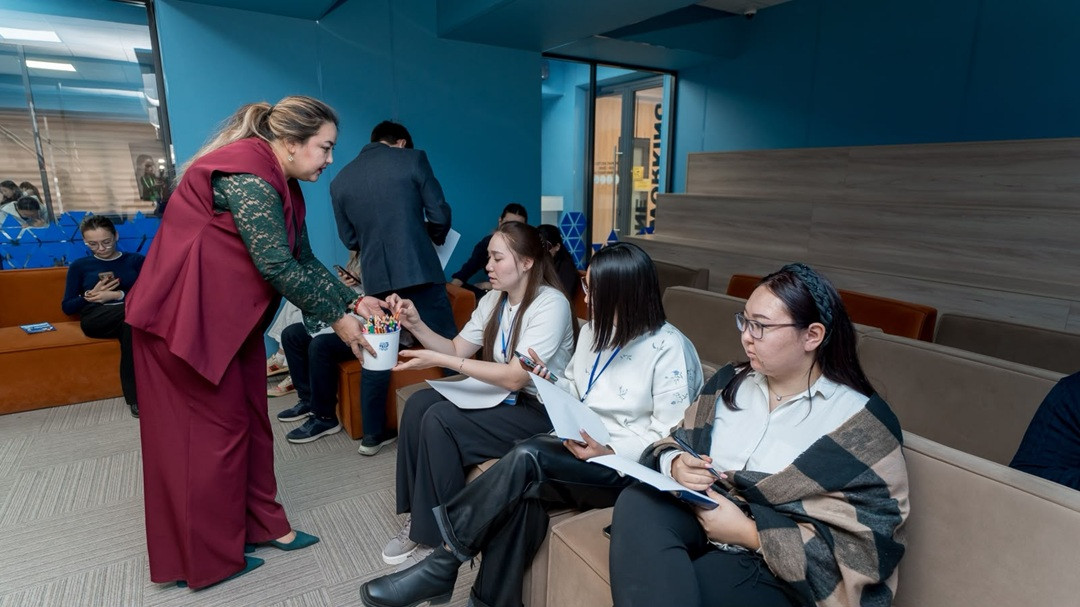
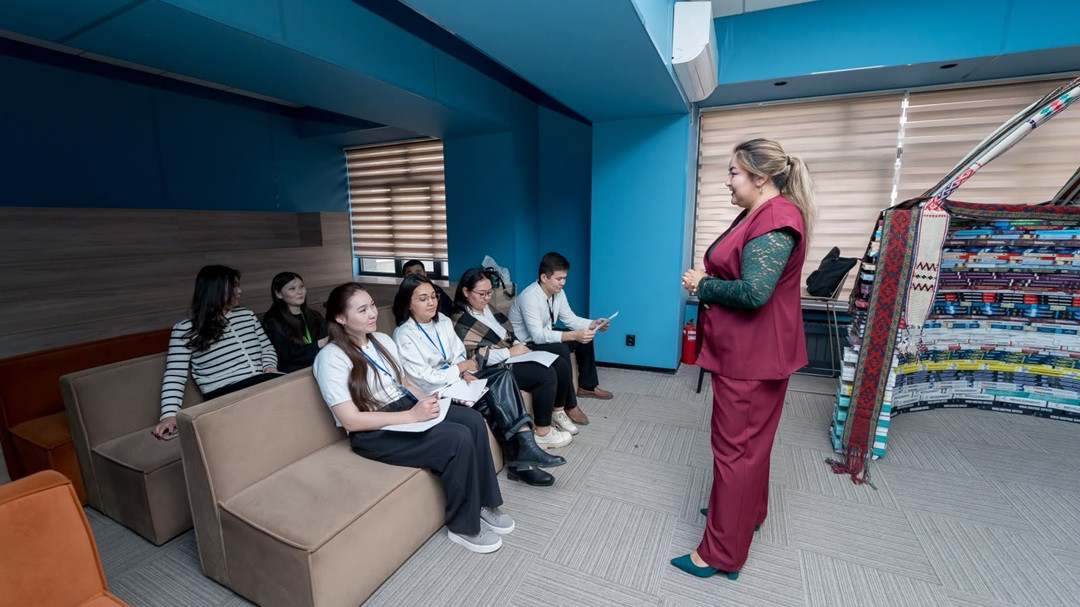
The program included three training seminars involving invited specialists. The sessions helped participants expand their knowledge of psychological health, become familiar with practical ways of maintaining emotional balance, and focus on caring for their mental health. Practical methods such as art therapy, metaphorical associative cards, associative cards, and various affirmations were also used during the training sessions.
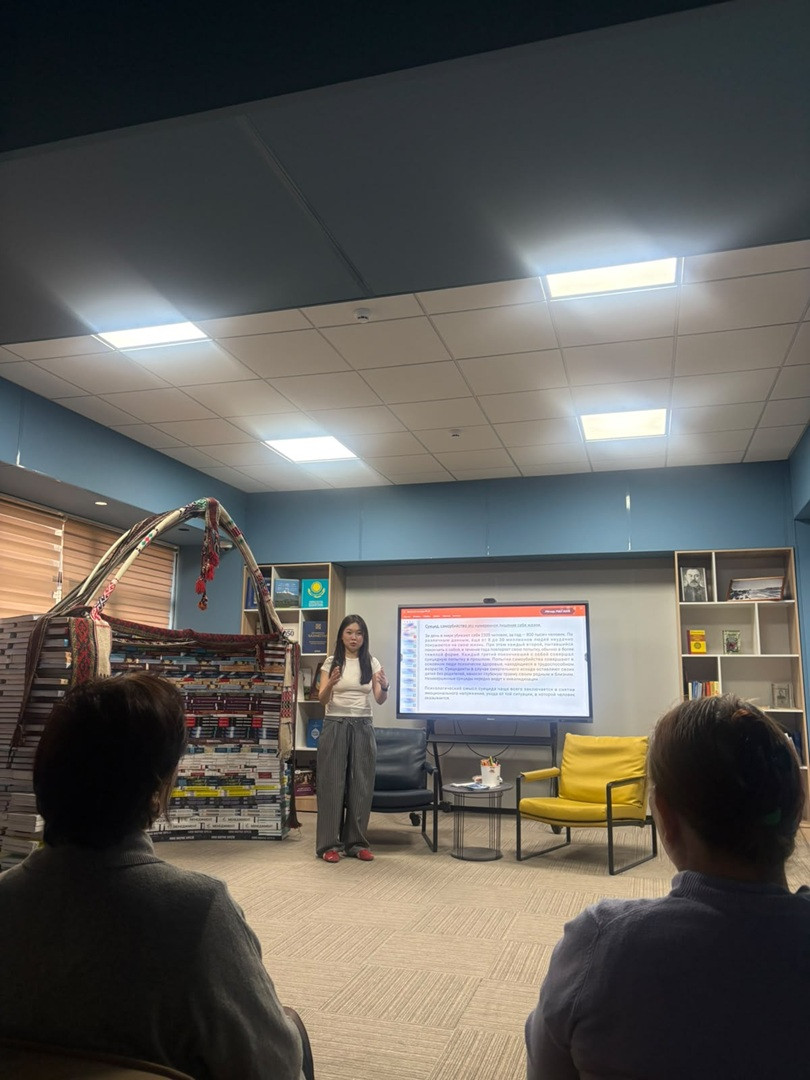
The first training seminar was conducted for faculty members by clinical psychologist Asem Yerzhankyzy Zhenissova. The session focused on the prevention of suicidal behavior and its specific aspects.
The second specialist, clinical psychologist Dina Kakimbekkyzy Kabyken, conducted brief consultations during the training session. The meeting addressed psychological health and the specific aspects of understanding a person’s emotional state.
The third training session, titled “Psychological Resilience of Academic Advisors and the Prevention of Professional Burnout,” was conducted by Aigerim Maratkyzy Suleimenova, psychologist and Head of the Psychological Service at Satbayev University. Participants discussed ways to preserve psychological resources, prevent professional burnout, and maintain emotional resilience when working with students.
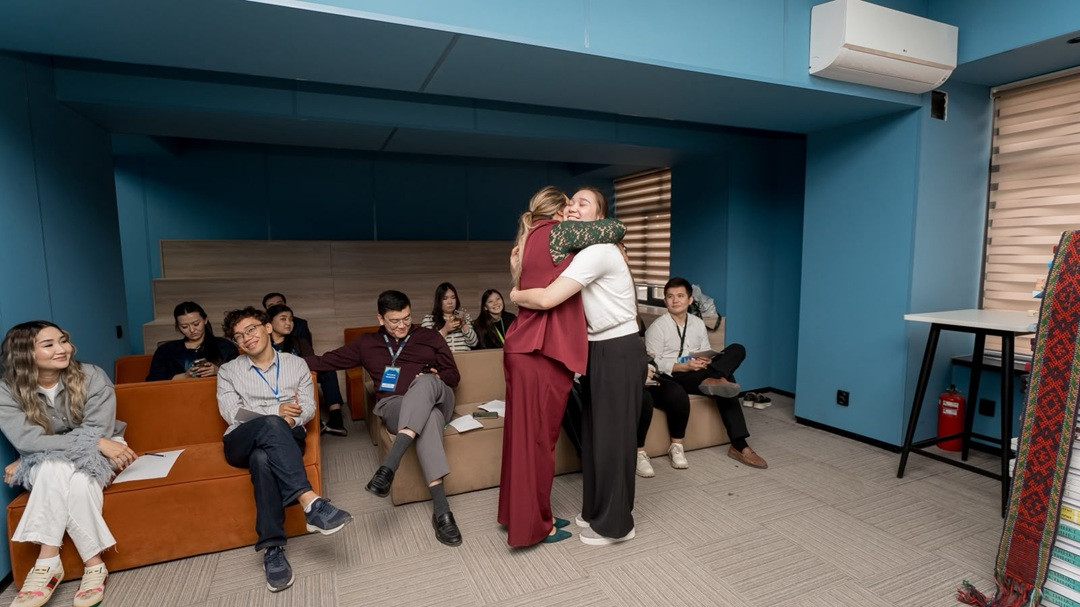
Professional activity in a university environment requires not only competence and responsibility but also the ability to recognize emotional tension in a timely manner, restore internal resources, and maintain one’s psychological well-being. The sessions provided a space for professional dialogue, the exchange of experience, and the development of practical self-support skills.
Caring for employees’ mental health is an essential component of a safe, supportive, and sustainable university environment. We sincerely thank the invited specialists and everyone who participated in the third day of Practical Psychology Week!
Author: Kapar Nurkhan, Office of Inclusive Education and Mental Health