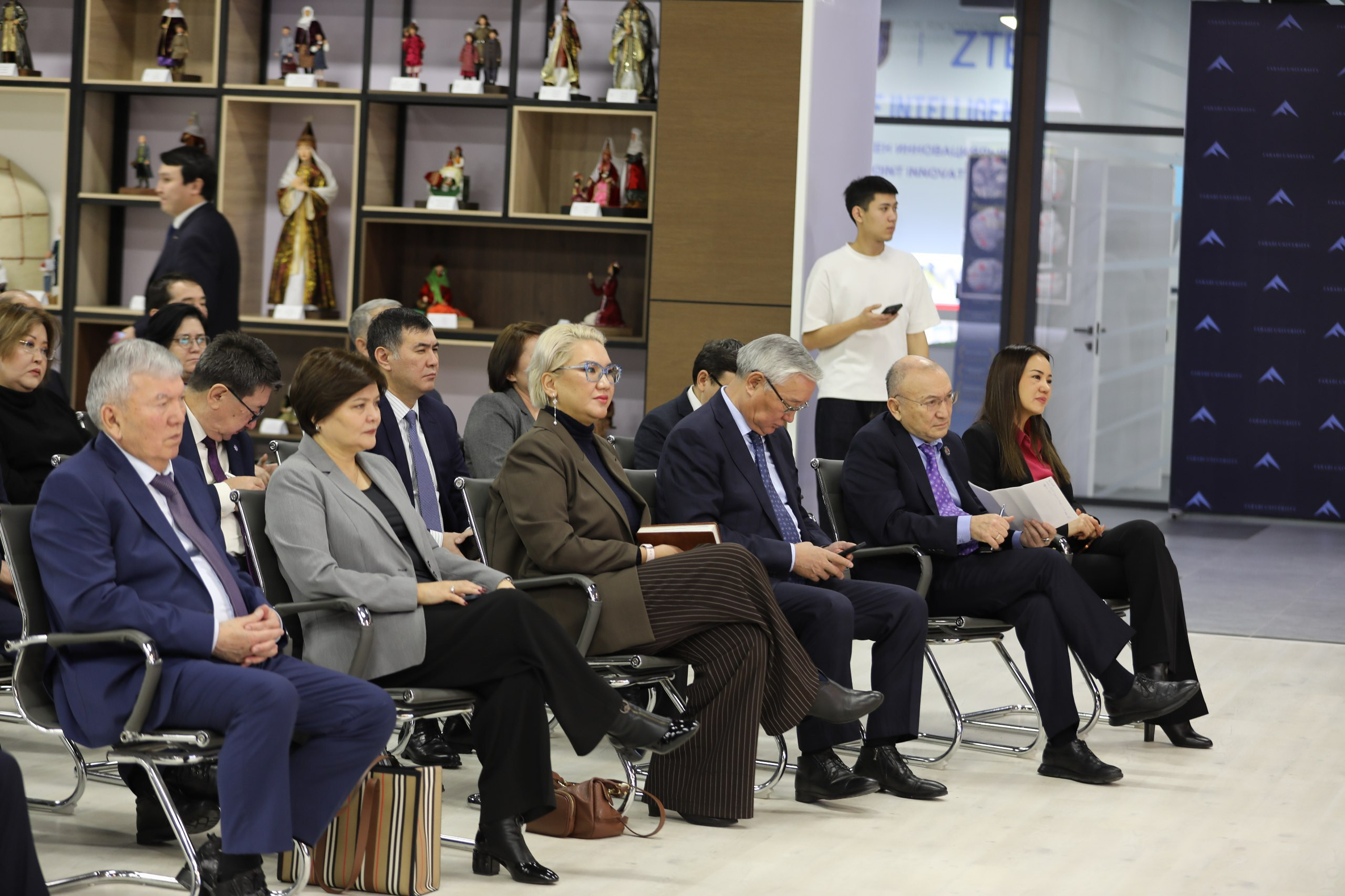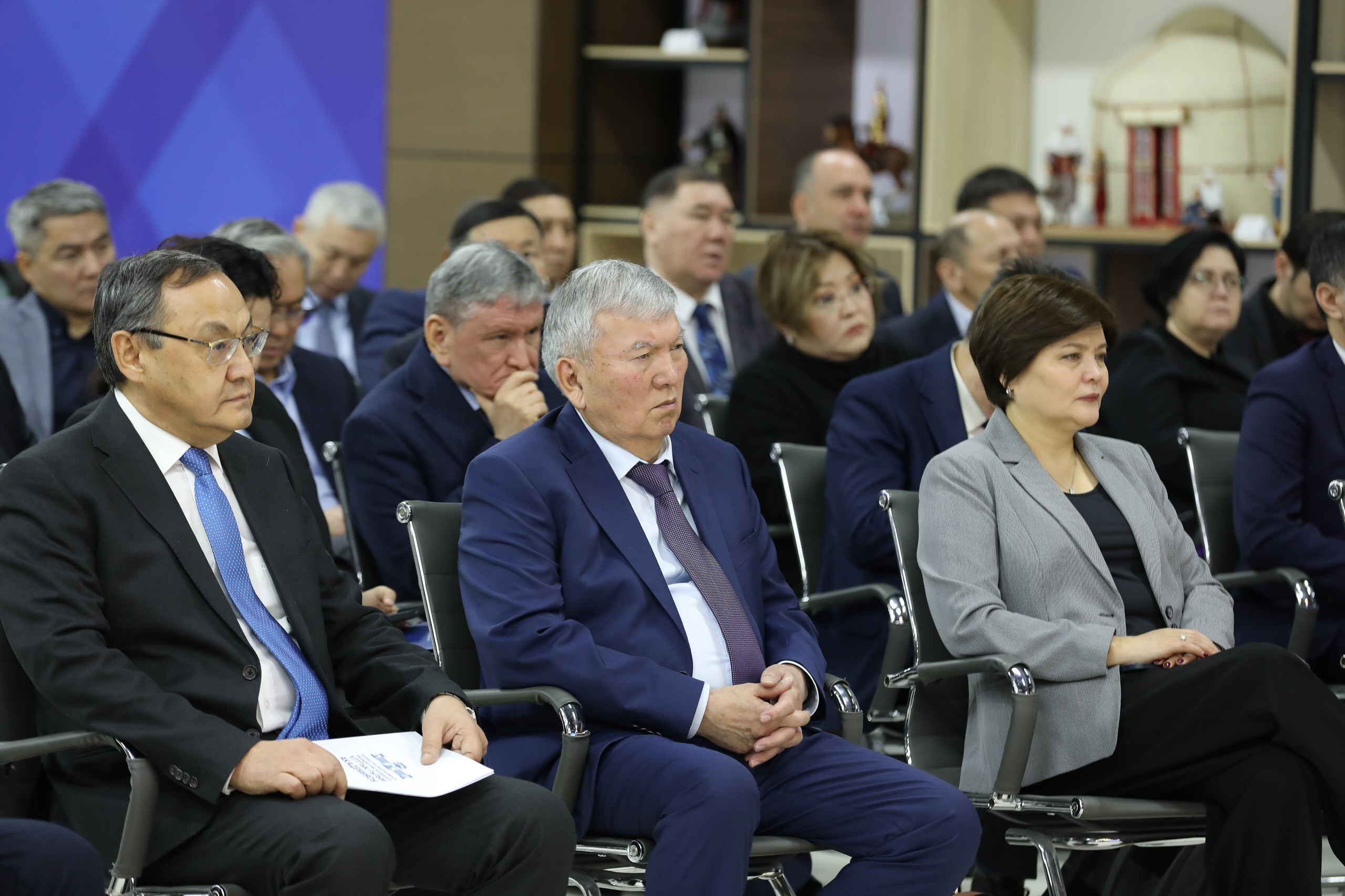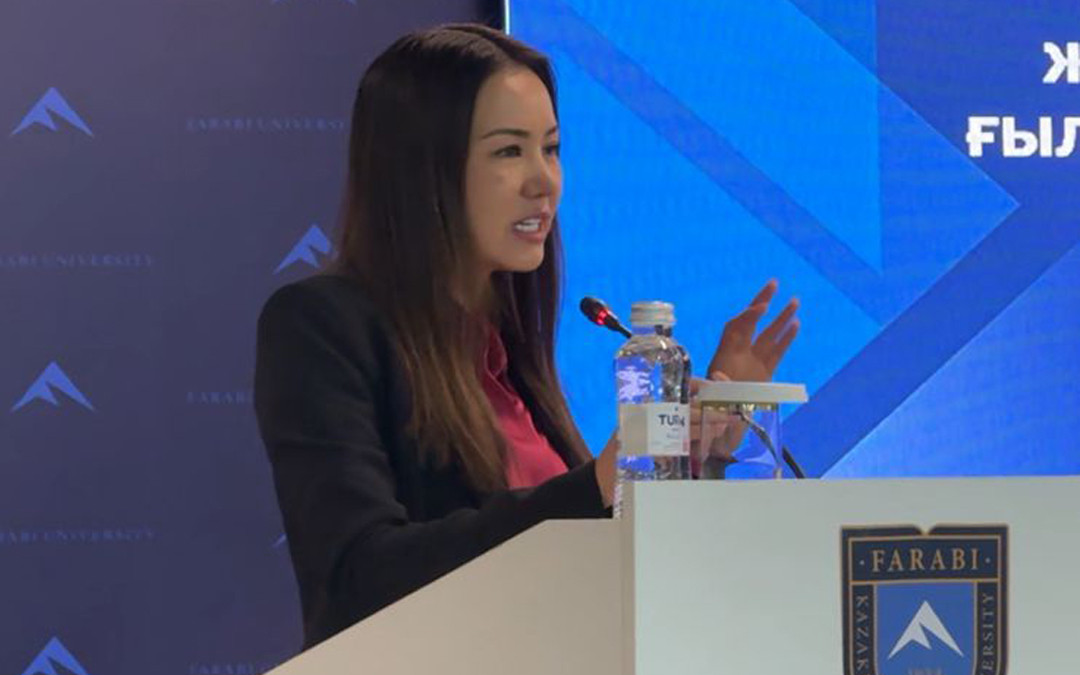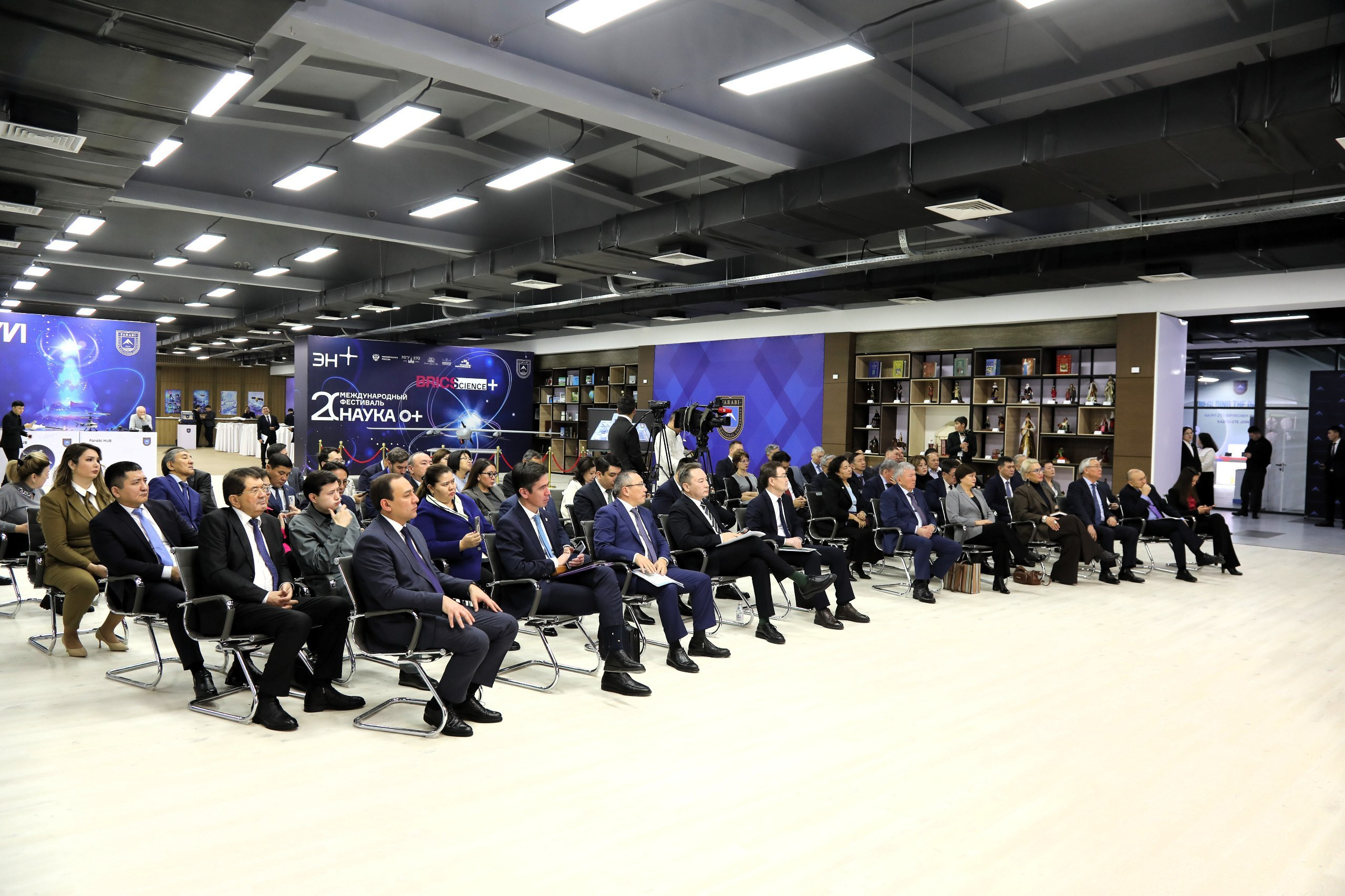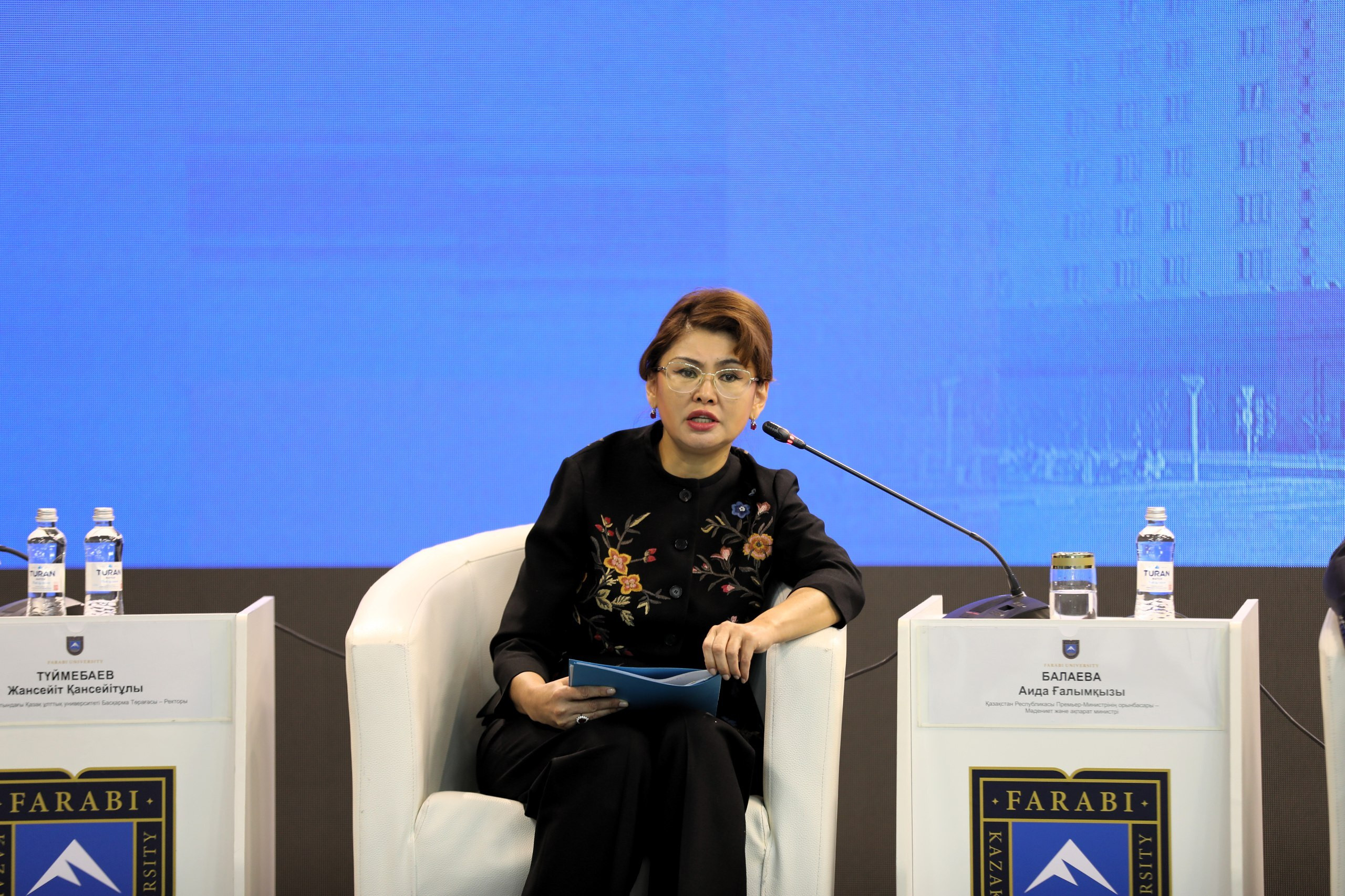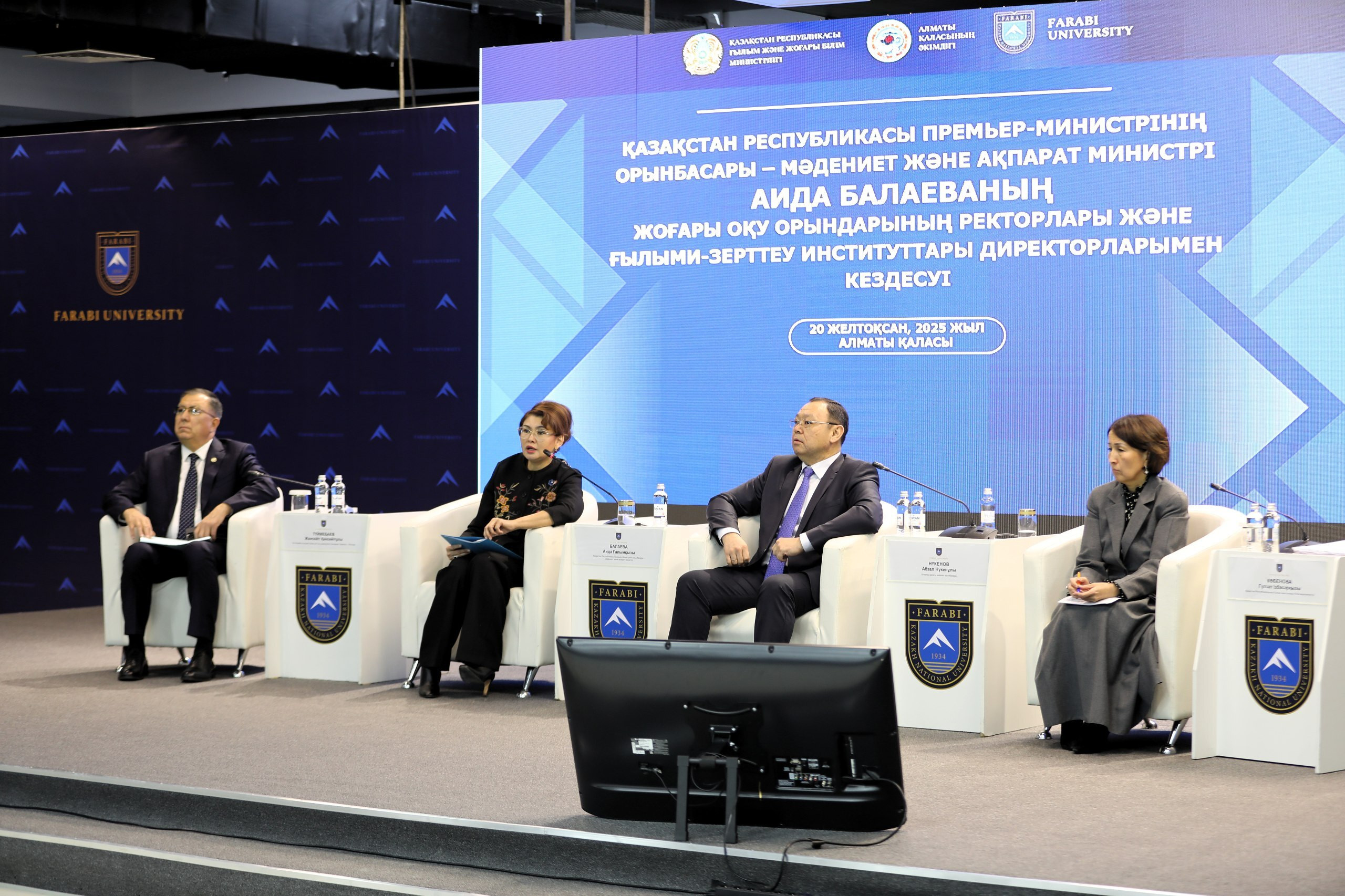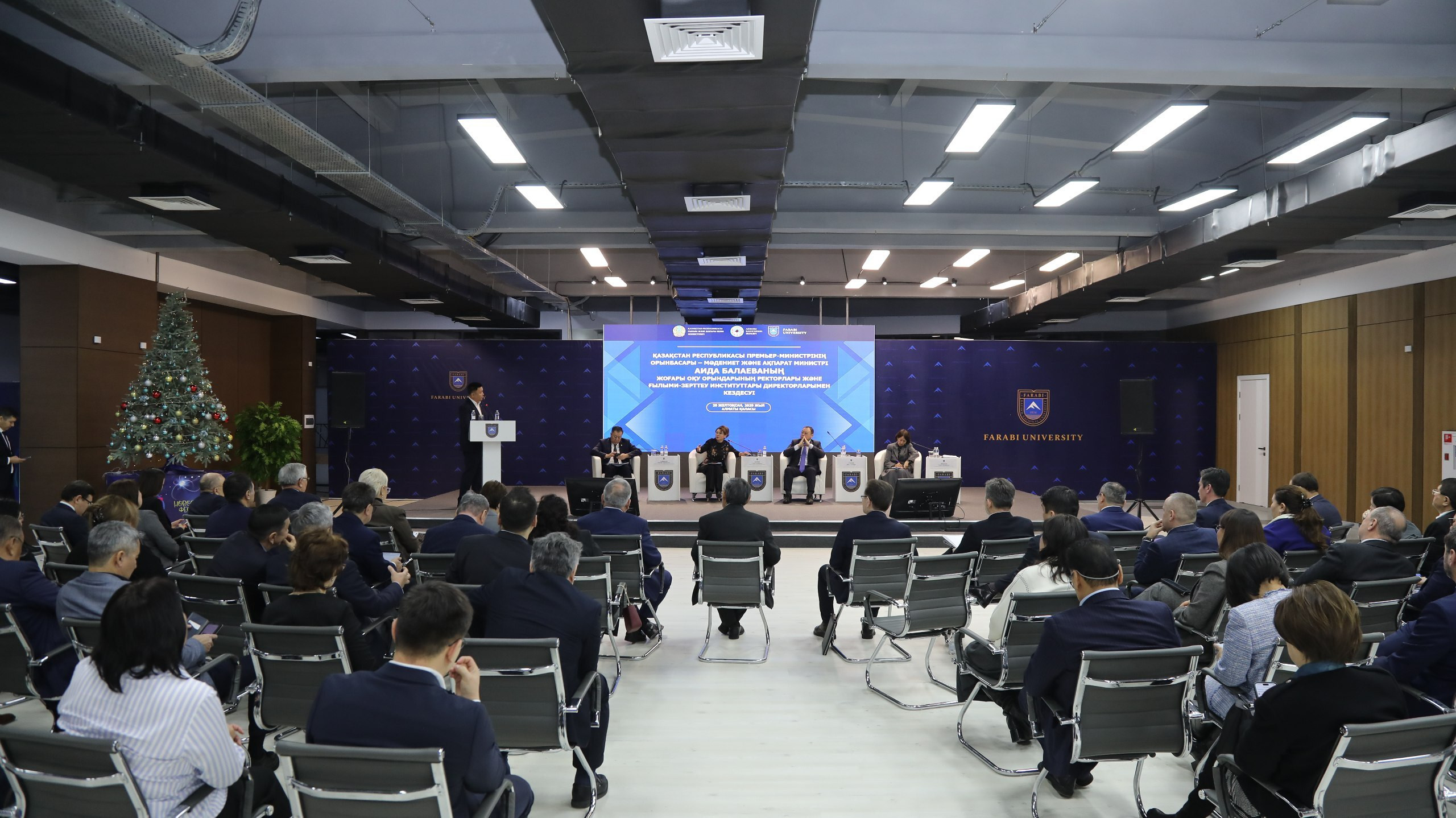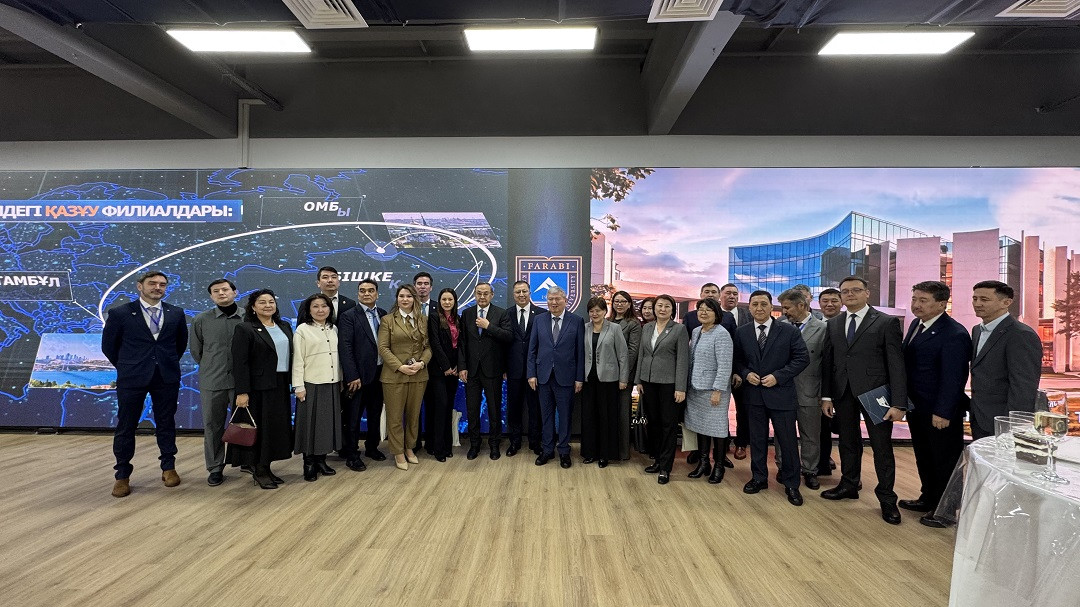
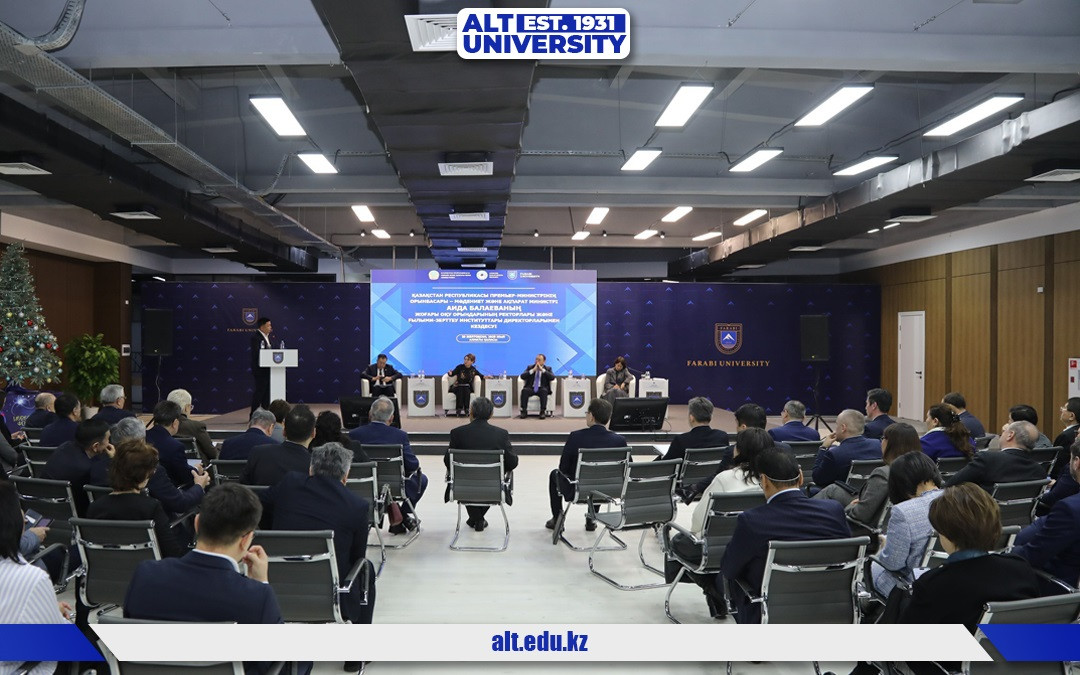
An expanded meeting of university rectors and directors of research institutes was held with the participation of the Deputy Prime Minister of the Republic of Kazakhstan – Minister of Culture and Information Aida Balayeva.
During the meeting, key objectives set by the Head of State Kassym-Jomart Tokayev for the development of science and higher education were discussed. Particular attention was paid to enhancing the competitiveness of national science, improving the quality of research, and aligning university science with the needs of industry and society.
The informal meeting was attended by the President of the National Academy of Sciences under the President of the Republic of Kazakhstan Akylbek Kurishbayev, Vice Minister of Science and Higher Education Gulzat Kobenova, and Deputy Akim of Almaty Abzal Nukenov.
“Science and higher education are the key foundations of the country’s sustainable development. Universities and research organizations must become centers that make a real contribution to socio-economic development. Therefore, adaptation to market requirements is a necessity of our time,” said Aida Balayeva.
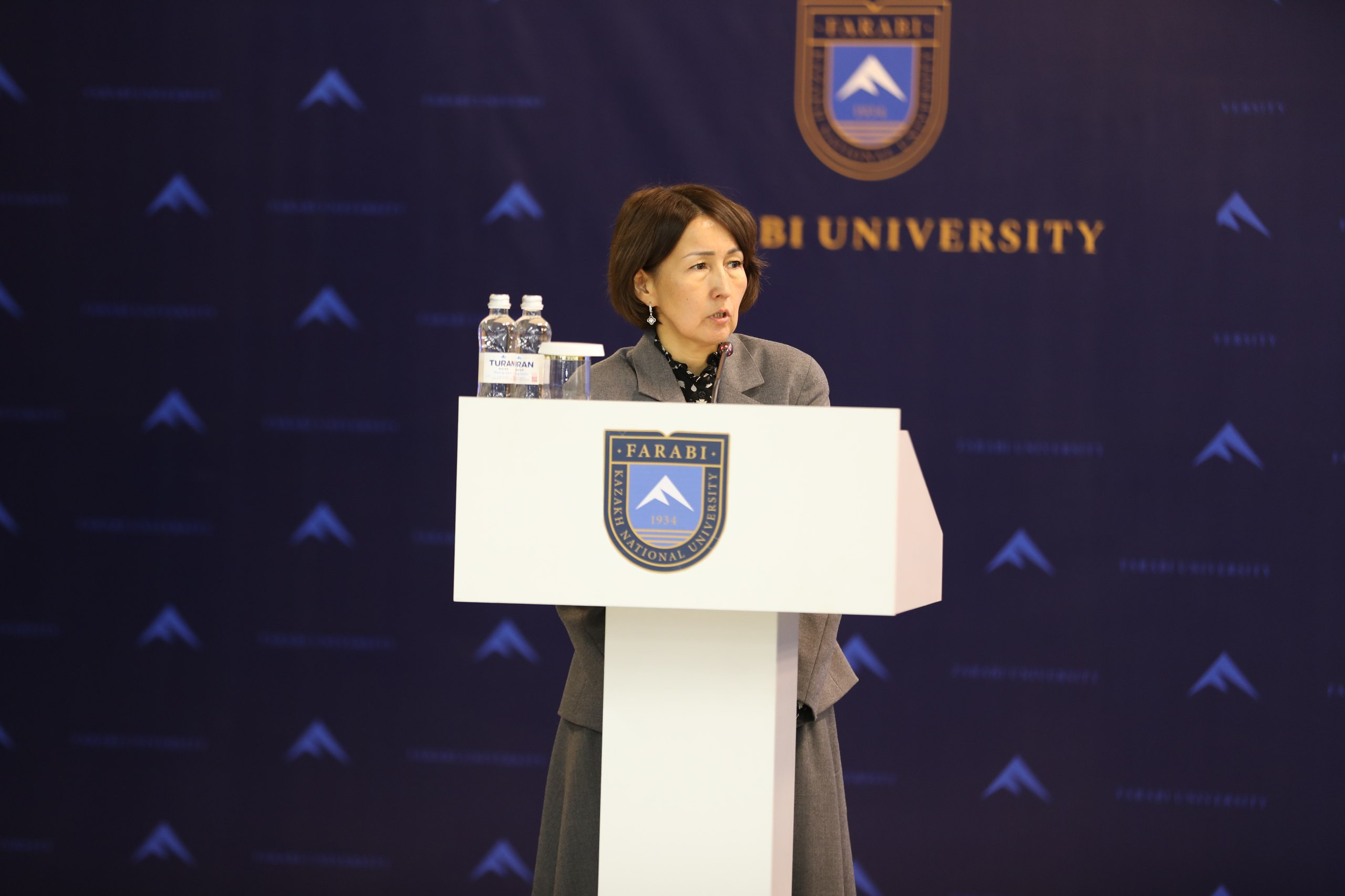
As part of the meeting, Gulzana Beybitovna Serikova delivered a report, noting that ALT University combines a strong academic foundation with modern international approaches and focuses on training future leaders in IT, engineering, logistics, architecture, and business. She emphasized the scale of the educational ecosystem: 4 institutes, 6 colleges in 5 cities across Kazakhstan, the ALT school-lyceum in Aktau, and a total student population exceeding 17,500.
ALT University is implementing a comprehensive set of measures aimed at the practical and digital transformation of education: AI solutions (including digital twins of faculty members) have been introduced, MOOCs have been launched, the practical component of academic programs has been strengthened, specialized laboratories supported by employers have been established, case-based assignments have been implemented, the student geodetic team has been revived, Smart Innovation laboratories are being developed, the Lu Ban Workshop has been technically opened, academic programs have been updated (including the transition to a three-year format and strengthening of professionally oriented English and IT competencies), and free Chinese and English language courses have been organized. In parallel, work is underway to increase the number of international students, renovate infrastructure and student residences with “smart home” technologies, boost faculty publication activity and expand Bolashak international internships, modernize network infrastructure using Cisco Meraki solutions, launch the KTZ–ALT University industrial bachelor’s program, and create intelligent laboratories on the university’s own LMS platform. Future plans include developing programs in priority areas (nuclear energy and UAVs), transitioning to a modular education system, attracting foreign scholars, expanding academic mobility, obtaining ASIIN international accreditation, launching a competence center, and issuing international certificates within micro-qualification programs.