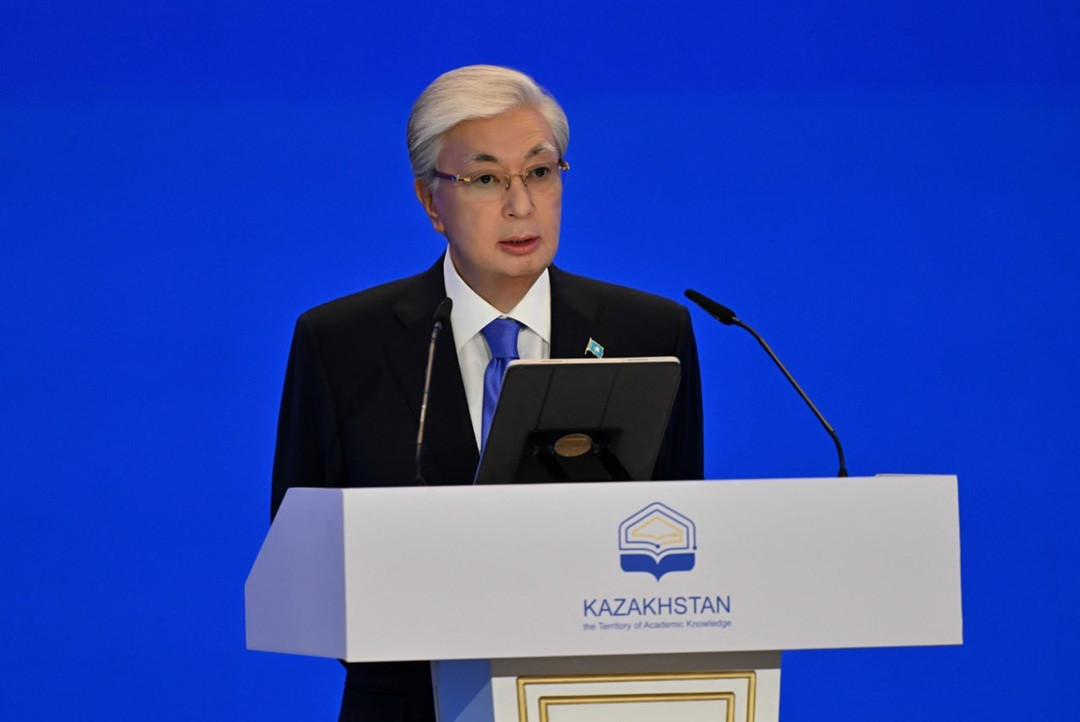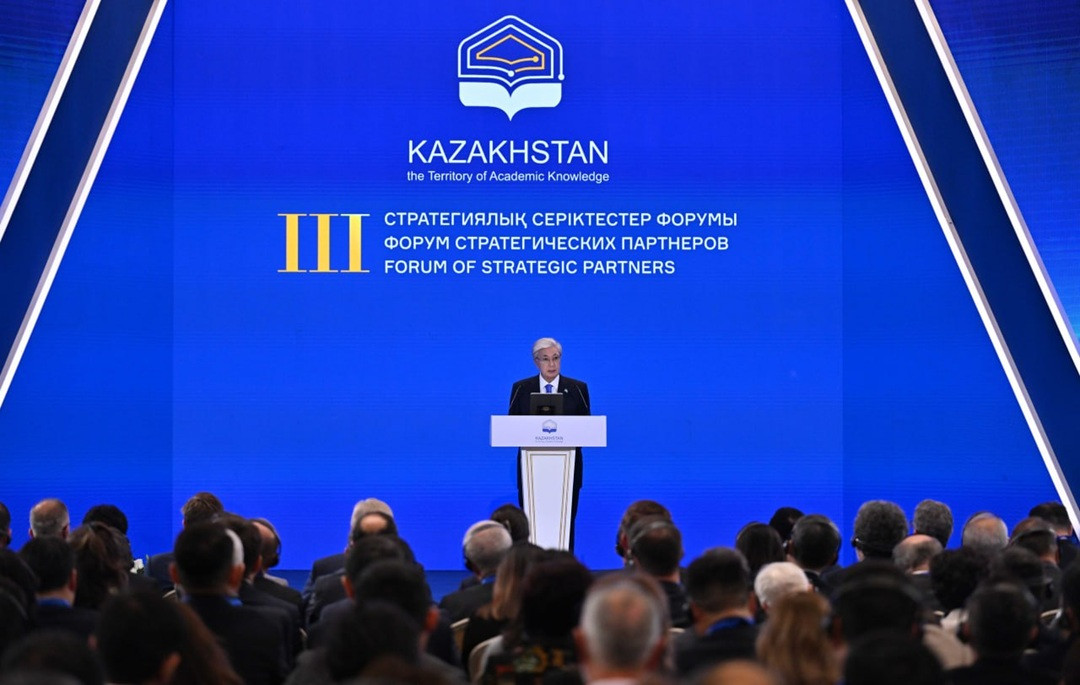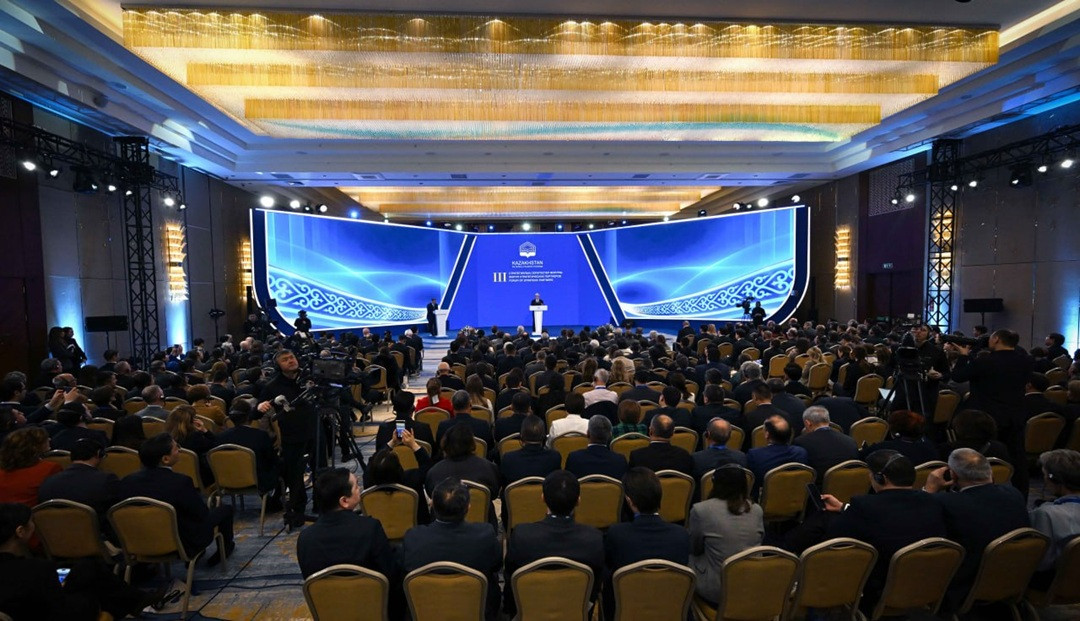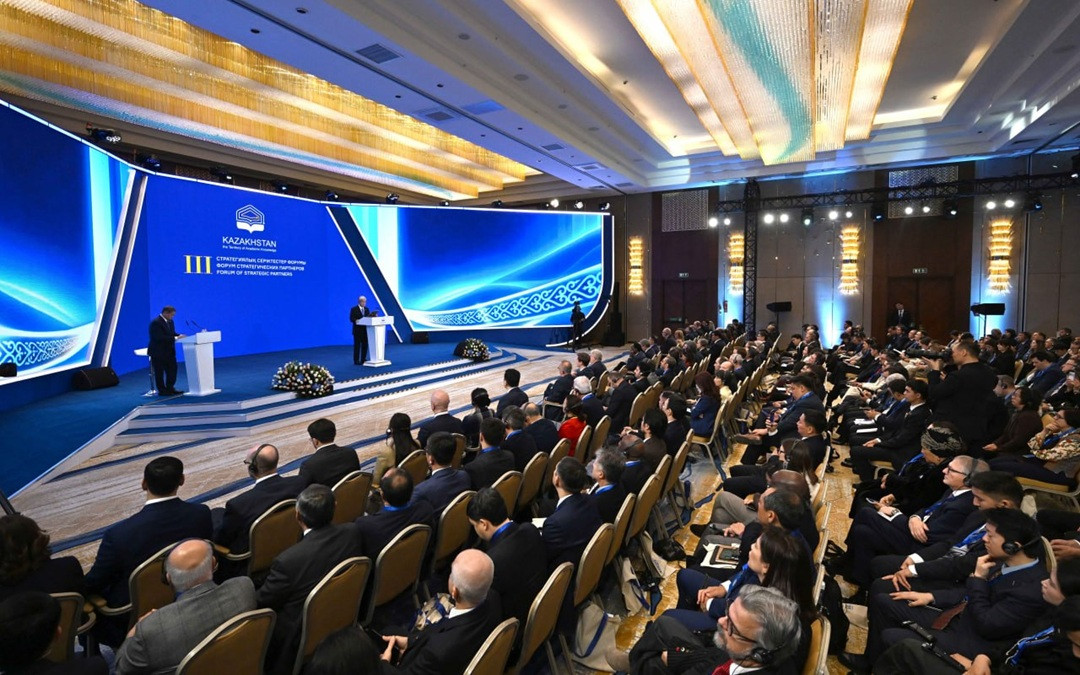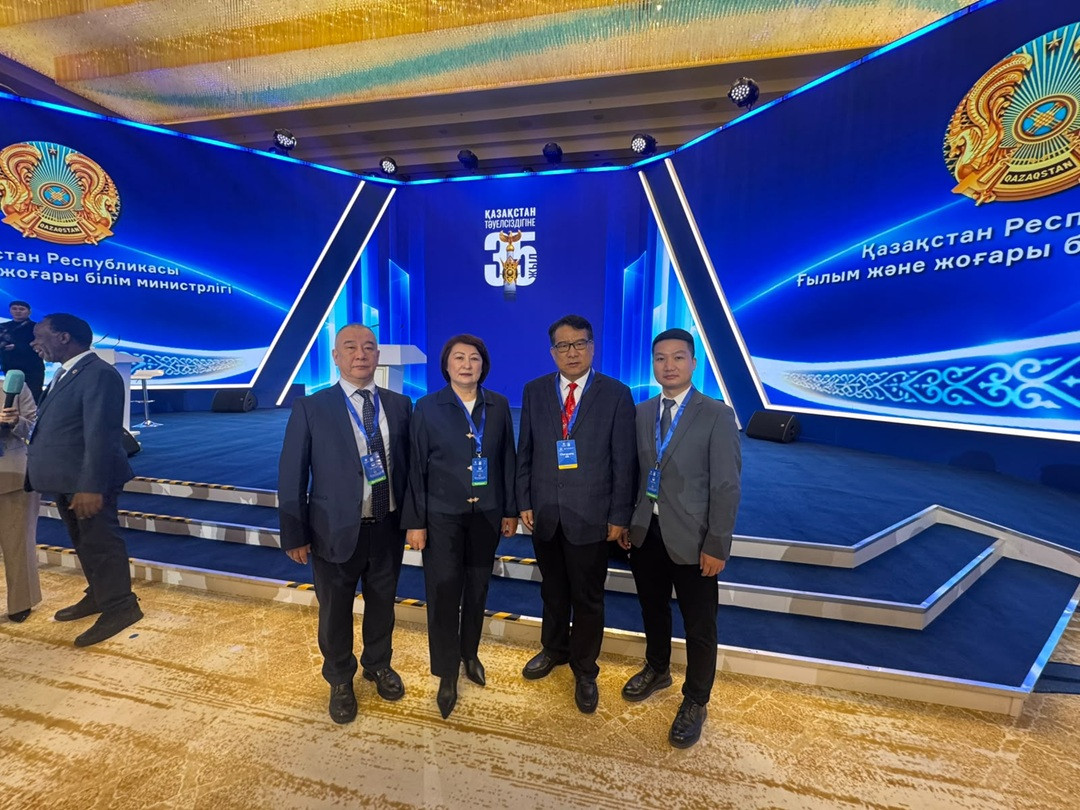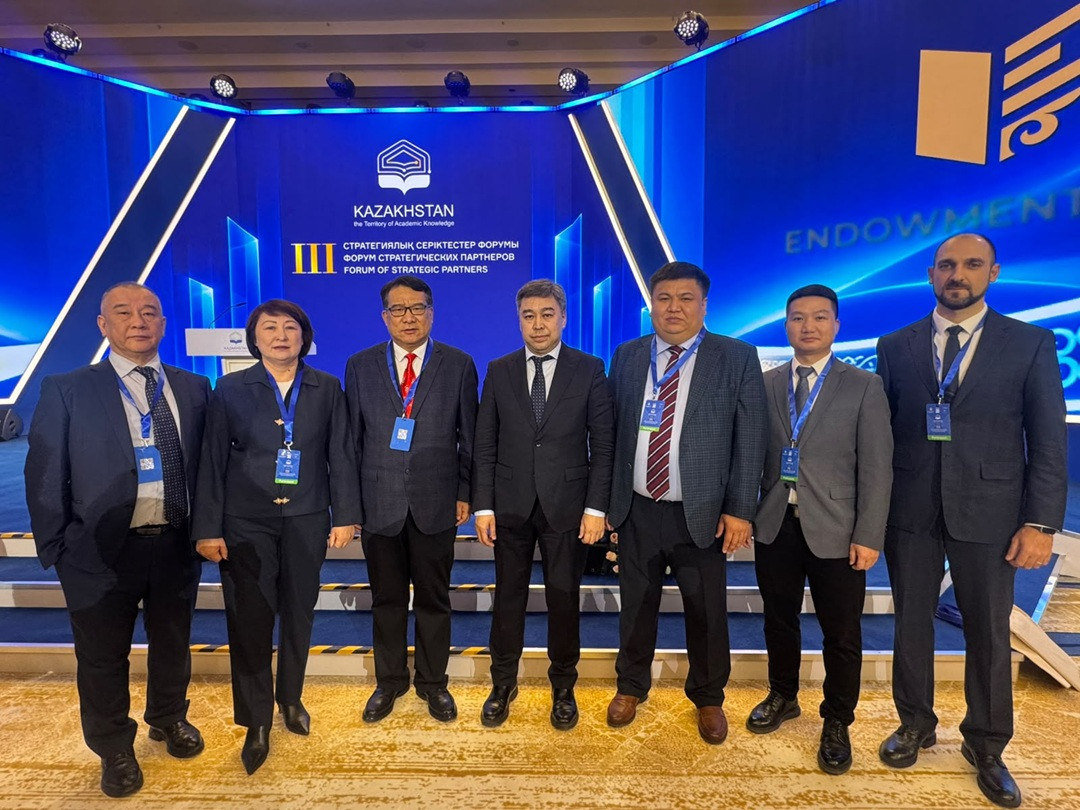
On November 19 in Astana, President of the Republic of Kazakhstan Kassym-Jomart Tokayev participated in the plenary session of the 3rd International Strategic Partners Forum. Discussions centered on positioning Kazakhstan as a regional hub for education and science, expanding collaborative research with international universities, and training specialists for high-tech sectors of the economy.
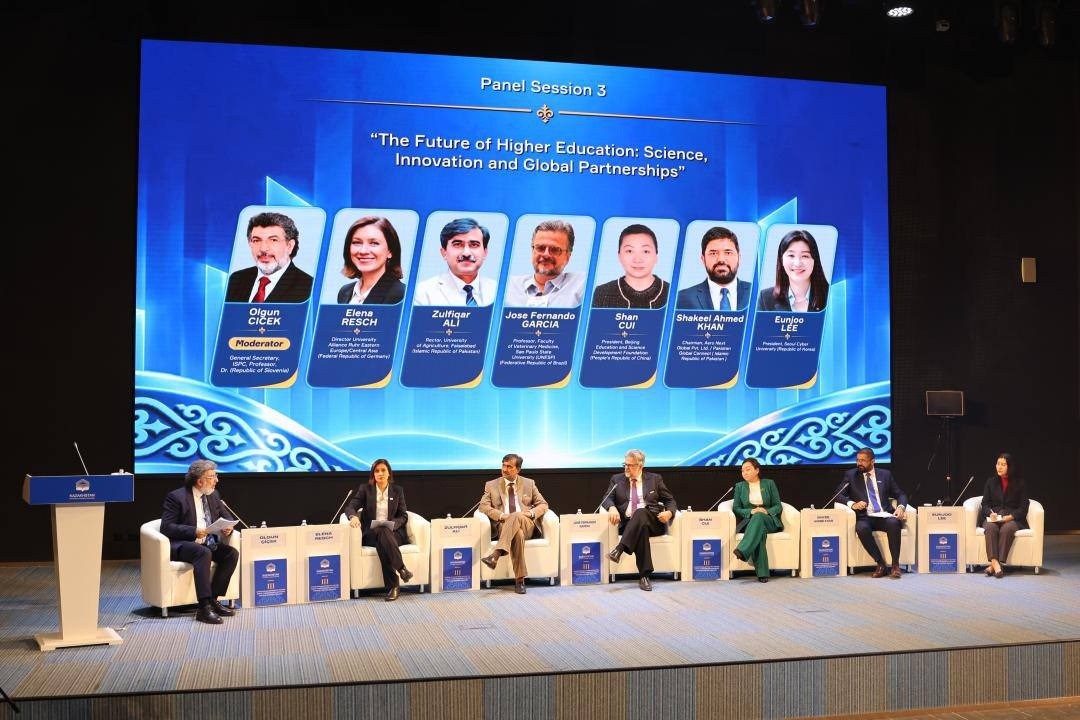
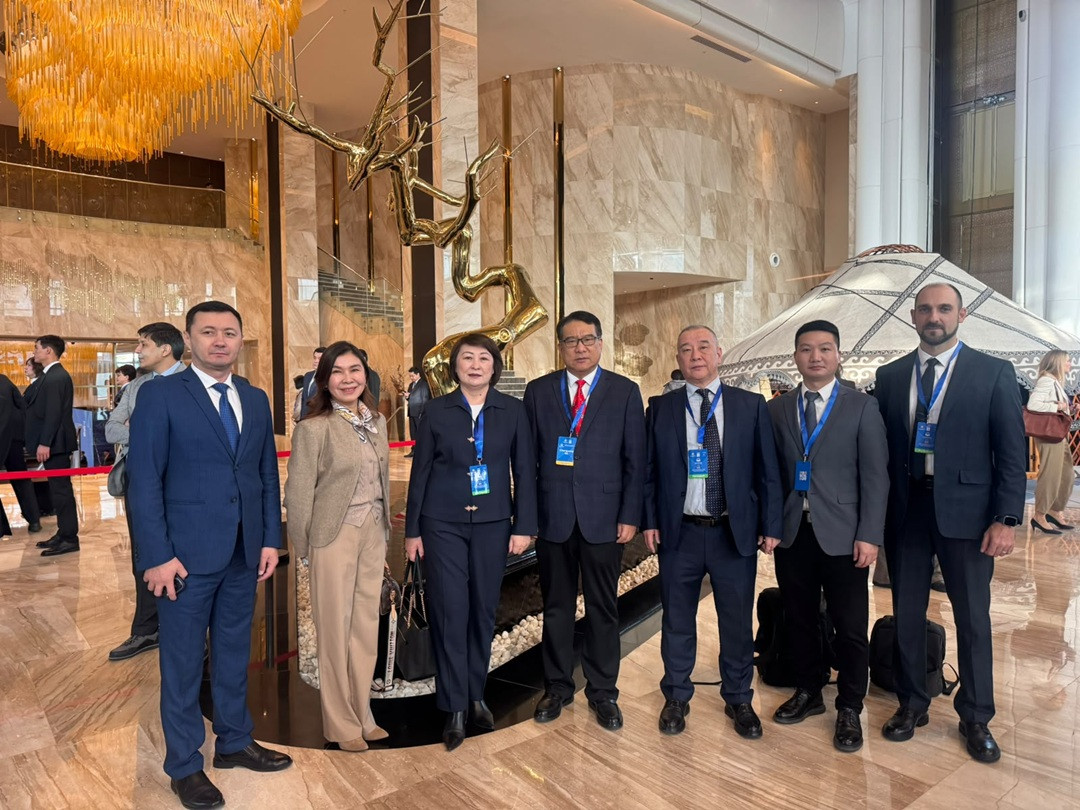
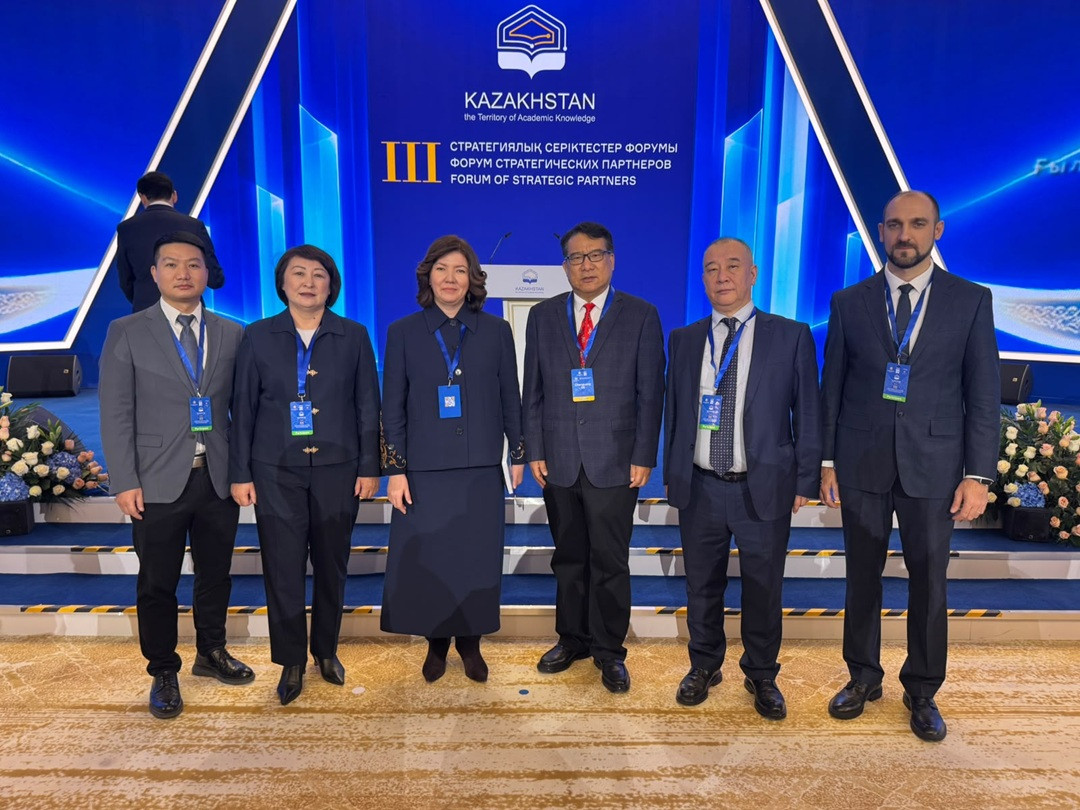
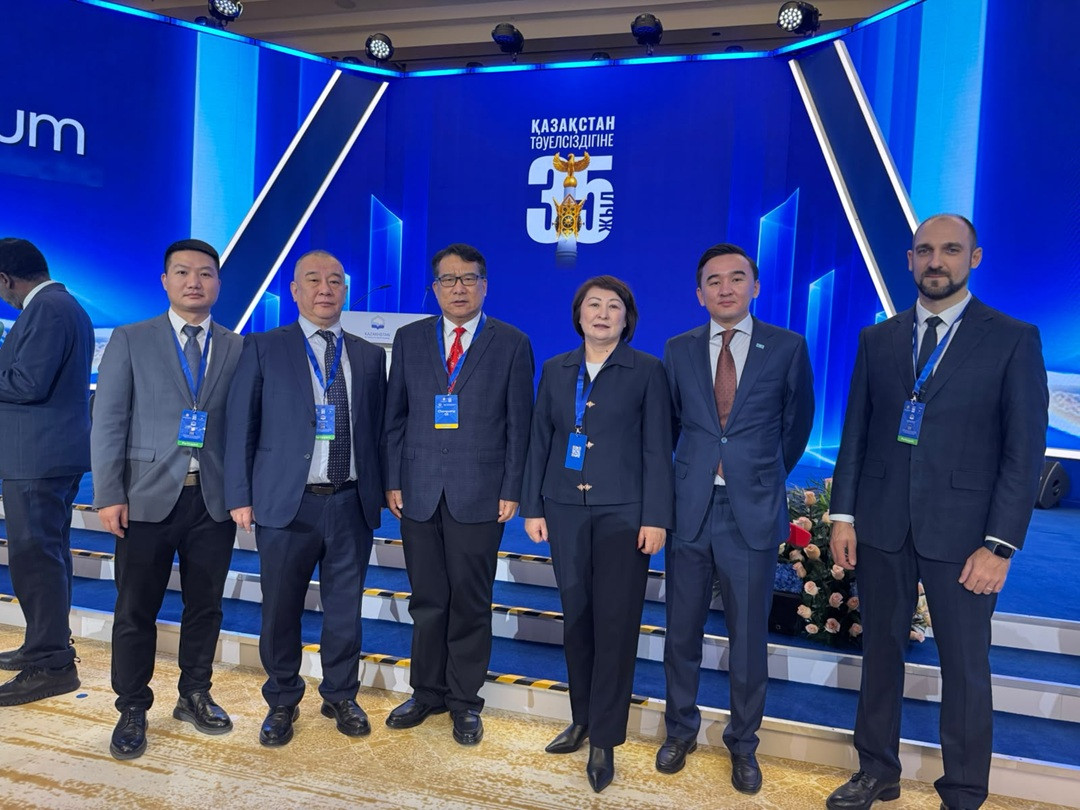
The presidential plenary session served as the centerpiece of the two-day forum organized by the Ministry of Science and Higher Education of the Republic of Kazakhstan. Held on November 18–19 under the overarching theme “Transforming Higher Education Through Innovation, Quality, and Global Partnerships,” the event brought together over 400 participants, including representatives of domestic and foreign universities, scientific and international organizations, government bodies, accreditation agencies, the diplomatic corps, and industry leaders.
In his address, the Head of State underscored the timeliness of the Forum, urging the scientific community to be fully prepared for upcoming large-scale transformations. In an era of ubiquitous digitalization and rapid artificial intelligence advancement, science and education play a defining role in the progress of global civilization.
“Science is the common heritage of all humanity. The global community must purposefully find practical applications for every achievement in science and education for the prosperity of our nations and to improve the quality of life for our citizens. It can be stated with confidence that this is the primary mission of the Strategic Partners Forum. Uniting distinguished scholars and thinkers from around the world for a shared goal, this event takes place at a historic moment for our country,” the President noted.
Kassym-Jomart Tokayev also highlighted the steady growth in the number of international students choosing to study in Kazakhstan.
“Last year, 31,000 international students studied in our country. Today, their number has reached 41,000, with over 8,000 studying with financial support from Kazakhstan. This is the highest figure since we gained Independence. By 2029, we plan to attract 100,000 international students. I am confident that the national initiative ‘Study in Kazakhstan’ will play a key role in achieving this goal. We take pride in our accomplishments: 18 domestic universities entered the QS World University Rankings 2026, and 10 Kazakhstani universities were included in the Times Higher Education 2027 rankings. In the Global Innovation Index 2026, Kazakhstan continues its steady ascent, demonstrating the highest performance in the region,” the Head of State emphasized.
During the forum, Minister of Science and Higher Education Sayasat Nurbek outlined Kazakhstan’s transition to a new stage of international academic cooperation, placing emphasis on applied science and strengthening technological sovereignty.
“Thanks to the strategic vision of the Head of State, Kazakhstan has completed the first stage of establishing a regional academic hub. Today, we are transitioning to a new phase focused on strengthening technological sovereignty, advancing applied scientific research, and deepening international cooperation. Our task is to move beyond academic mobility and traditional inter-university partnerships, concentrating efforts on implementing joint scientific and technological projects. A vivid example of this approach’s effectiveness is the President’s initiative to open a United Nations University branch in Almaty. In just 11 months, we progressed from proposing the idea to signing the corresponding agreement,” the Minister stated.
Leaders of foreign universities and international organizations also presented joint initiatives implemented with Kazakhstani partners, including the development of the UN University research institute in Almaty, teacher training collaboration in Shymkent, and engineering education for the chemical industry in Taraz. Kazakhstan’s capabilities as a platform for international academic programs, R&D, and academic exchange were showcased in the presentation “Kazakhstan – Territory of Academic Knowledge.”
Rector of the United Nations University and UN Under-Secretary-General Professor Tshilidzi Marwala delivered a keynote speech on the role of universities and science in achieving the Sustainable Development Goals. He commended Kazakhstan’s trajectory in education and science and highlighted the agreement to relocate the UNU Institute on Comparative Regional Integration Studies (UNU-CRIS) to Almaty and expand it under the UNU Regions format.
“The establishment of UNU Regions will broaden opportunities for joint research, academic exchange, and expert dialogue. Kazakhstani universities and research centers will be able to participate more actively in international projects, while Central Asia’s scientific potential will gain greater representation on the global UN agenda,” Tshilidzi Marwala stressed.
Times Higher Education CEO John Gill presented the performance of Kazakhstani universities in the THE World University Rankings. While three universities from Kazakhstan were ranked in 2021, ten entered the list in 2026—doubling the country’s representation over the past year alone. The 2026 edition evaluated 2,297 universities from 118 countries and territories. Nazarbayev University achieved the top result in Kazakhstan and Central Asia, climbing roughly 200 spots over two years to enter the 376–400 band. According to John Gill, Kazakhstani universities improved across all five ranking pillars: research environment metrics rose by 12 points in a single year, while publications per academic staff member more than doubled over seven years.
John Gill also announced the upcoming edition of the regional THE Central Eurasia University Rankings. Over 120 regional universities participated in the pilot phase, with approximately 35 Kazakhstani universities expected to be featured in the next release.
Rector of Gazi University Uğur Ünal spoke on Kazakhstan–Türkiye cooperation in pedagogical education, highlighting the opening of a Gazi University branch at South Kazakhstan Pedagogical University named after Ozbekali Zhanibekov in Shymkent. The partnership covers teacher-training exchange, academic mobility, and joint research. Uğur Ünal also expressed readiness to support the branch’s students in participating in the national AI-Sana program and to introduce Turkish faculty to Kazakhstan’s experience in integrating artificial intelligence into education.
Chairman of the Board of Directors of City University of Hong Kong (CityUHK) Michael Ngai outlined partnership tracks with Satbayev University. The institutions plan to launch joint degree programs in computer science, materials science, and architectural engineering, including a Master’s program in computer science. Michael Ngai also noted prospects for commercializing joint R&D and attracting investment into Kazakhstani tech ventures.
“The effectiveness of a partnership should be measured not by the number of agreements signed, but by the specialists trained, the technologies created, and their contribution to the economy and society,” Michael Ngai noted.
Rector of the D. Mendeleev University of Chemical Technology of Russia (MUCTR) Sergey Filatov shared the operational experience of MUCTR’s branch in Taraz. Over three years, MUCTR, M.Kh. Dulaty Taraz Regional University, and Kazphosphate LLP have built an industry-integrated engineering training system. Kazphosphate’s 2.3 billion tenge investment equipped the campus with six high-tech laboratories. Today, 170 students are enrolled across three dual-degree undergraduate programs in chemical and environmental engineering. Talent cultivation begins at the school level through “Mendeleev Classes” and the “AgroChemTech” science camp. The next phase of collaboration will be the dual Master’s program “Industrial Order,” slated for launch in 2027.
The event concluded with an exchange ceremony of the signed Agreement between the Ministry of Science and Higher Education of the Republic of Kazakhstan and the United Nations University.