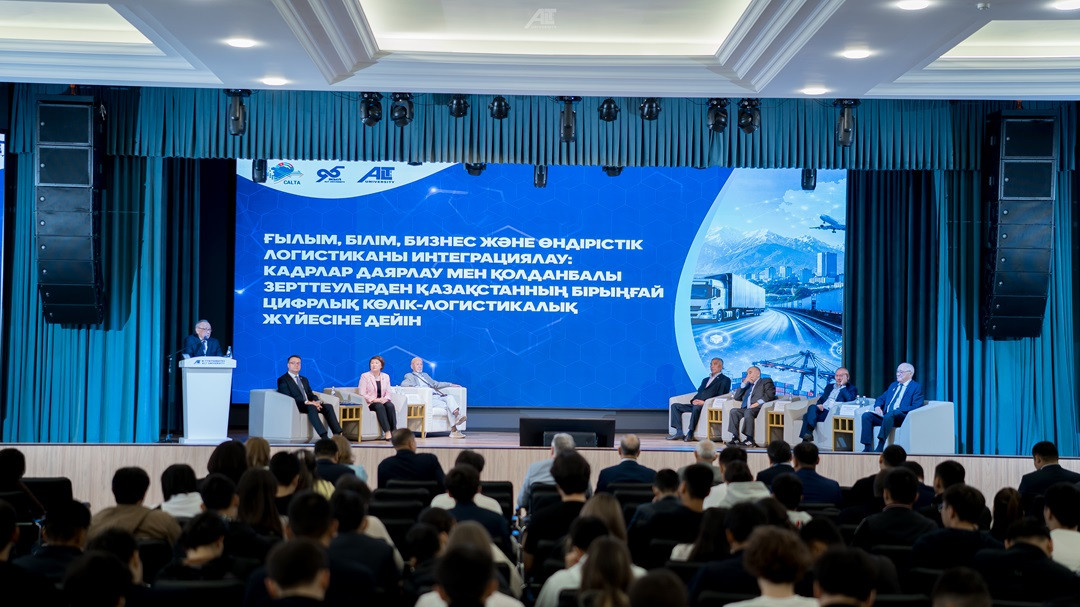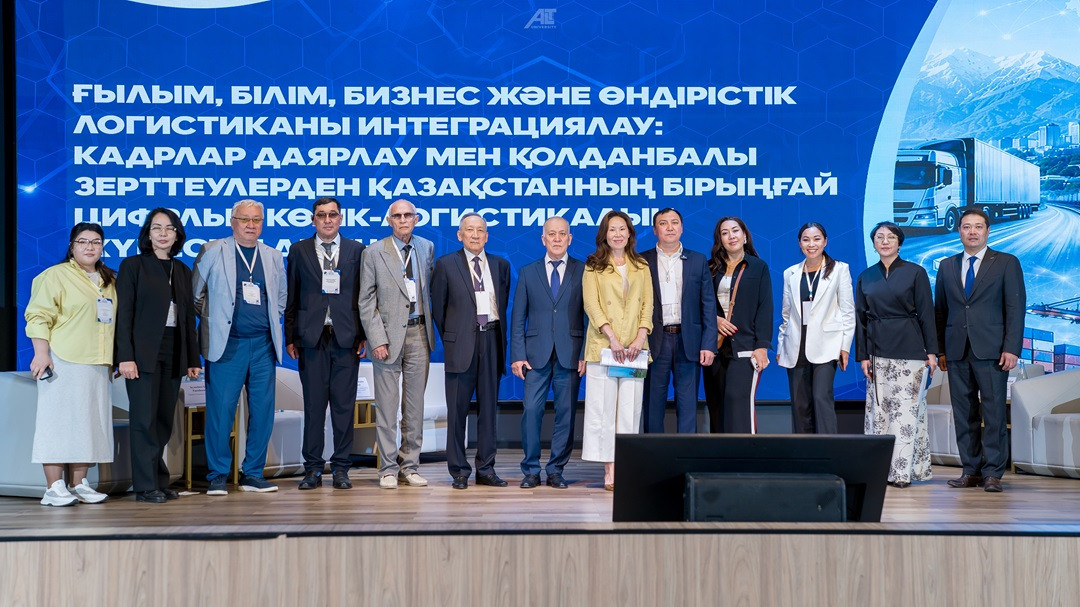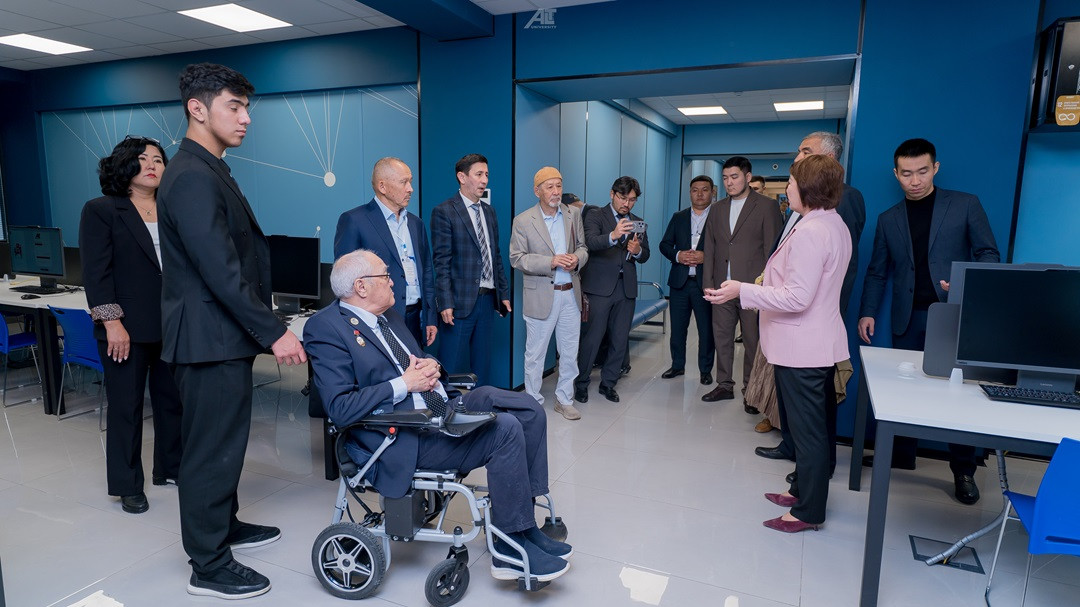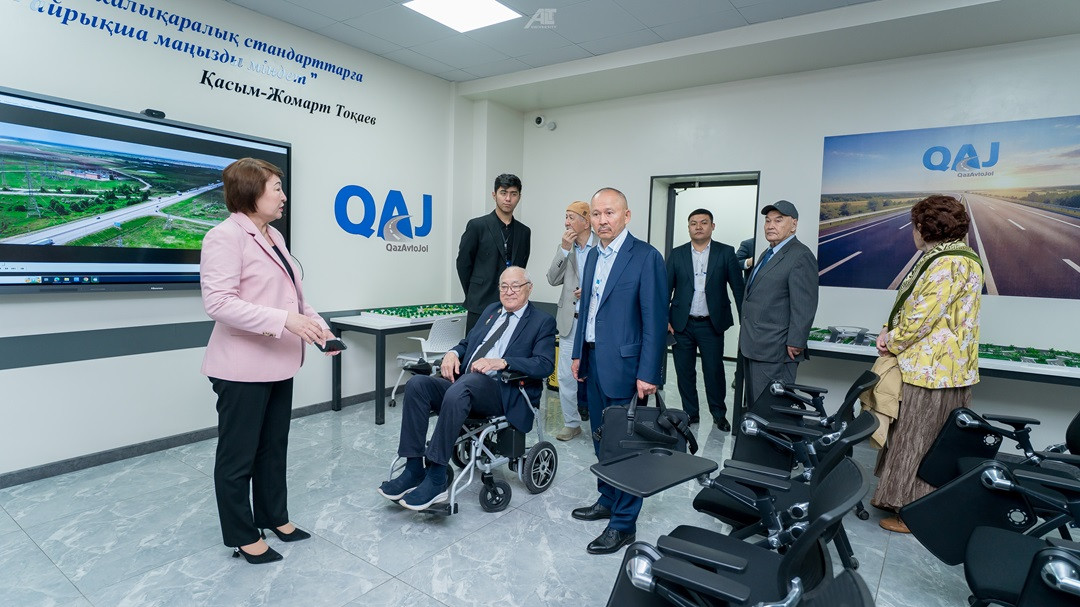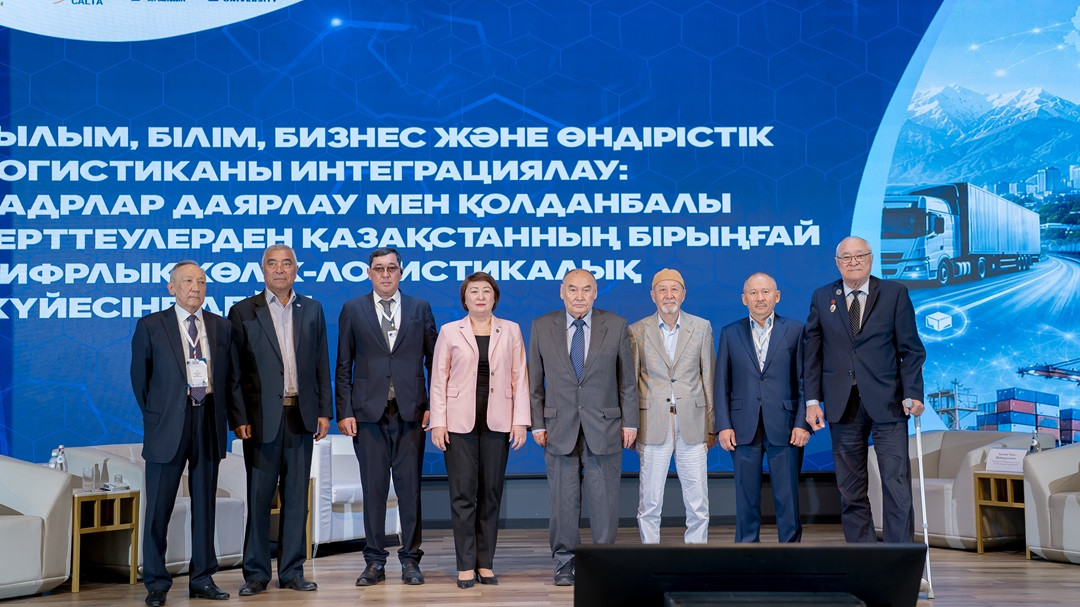
On May 22, 2026, the Mukhamedzhan Tynyshpayev ALT University hosted a major industry conference titled: “Integration of Science, Education, Business, and Industrial Logistics: From Workforce Training and Applied Research to Shaper of the Unified Digital Transport and Logistics System of Kazakhstan.”
The event was co-organized by the Central Asian Logistics and Transport Association (CALTA) and ALT University. The conference brought together key stakeholders from the transport and logistics sector, corporate businesses, academia, the IT industry, international organizations, trade associations, educational institutions, and honored veterans of the railway industry.
Today, Kazakhstan’s transport and logistics complex is undergoing a massive structural transformation. The expansion of international corridors, rising cargo flows, and the digitalization of the economy demand innovative management approaches, tech integration, and the training of a new generation of professionals. These pressing challenges were the focal point of the conference at ALT University, one of the nation’s leading engineering institutions.
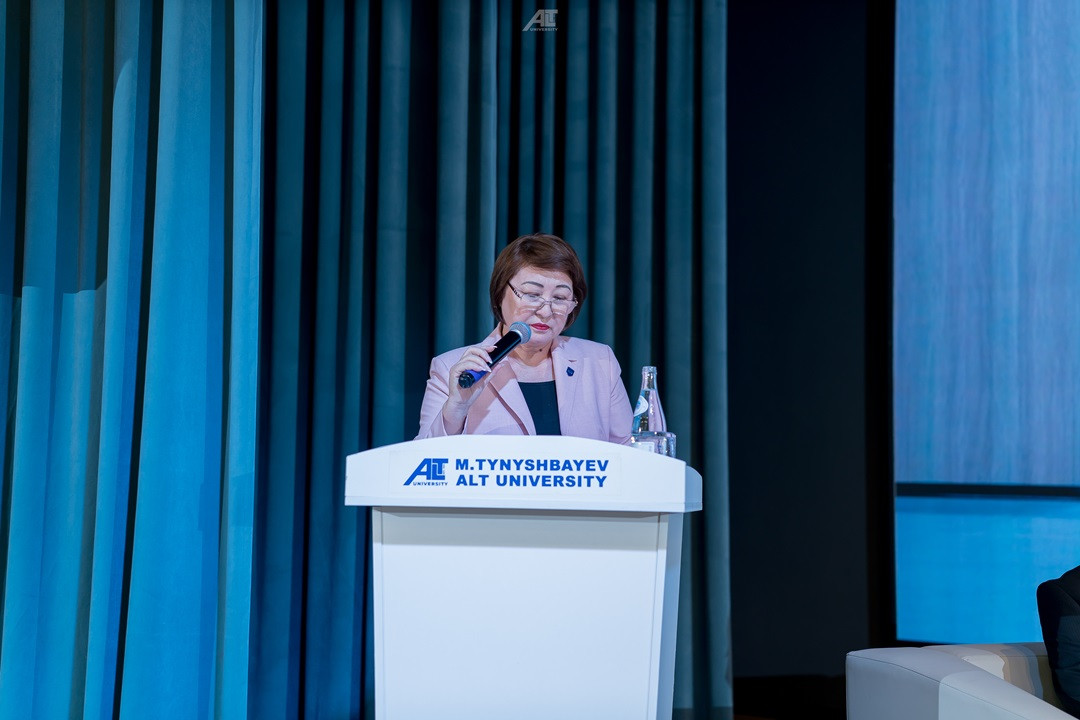
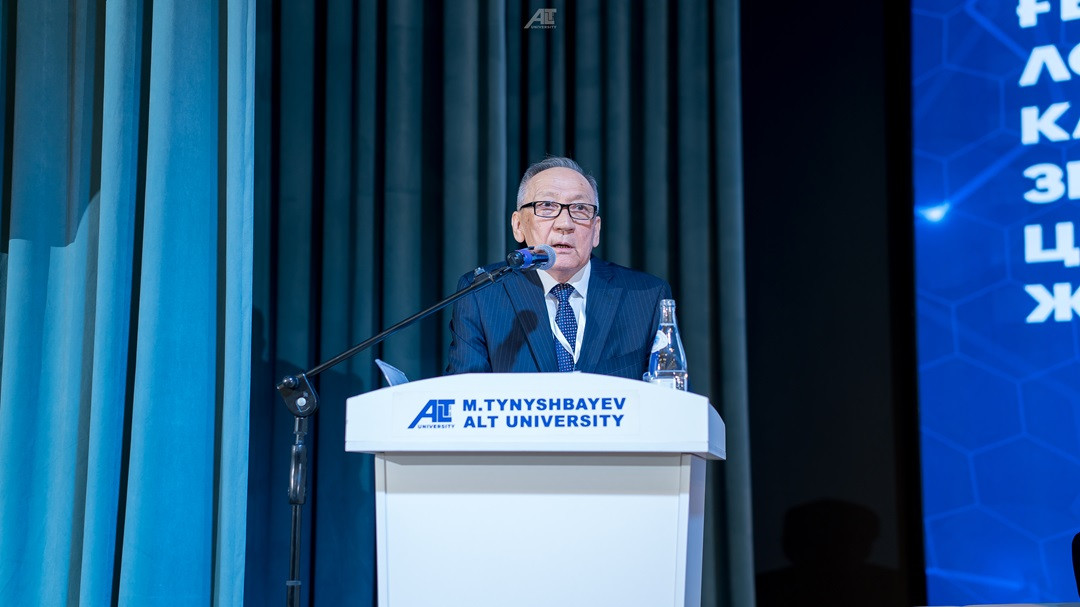
The conference was opened by Berik Bulekбаев, Advisor to the Secretary-General of CALTA. Welcoming remarks were delivered by Marat Khamzin, Honored Railway Worker and Veteran of “Kazakhstan Temir Zholy” NC, Meruert Zharmagambetova, Chairman of the Board – Rector of ALT University, Kanat Almagambetov, Director General of the Union of Transport Workers of Kazakhstan “KAZLOGISTICS”, Bolatbek Duisemaliev, Secretary-General of CALTA, along with other transport industry veterans.
“Today, the competitiveness of the transport sector is defined not only by physical infrastructure and fleet operations, but also by digital technologies, applied science, and the ability of all stakeholders to operate within a single, integrated network. The industry requires a new generation of specialists ready to contribute to the digital economy from day one,” noted Meruert Zharmagambetova, Chairman of the Board – Rector of ALT University.
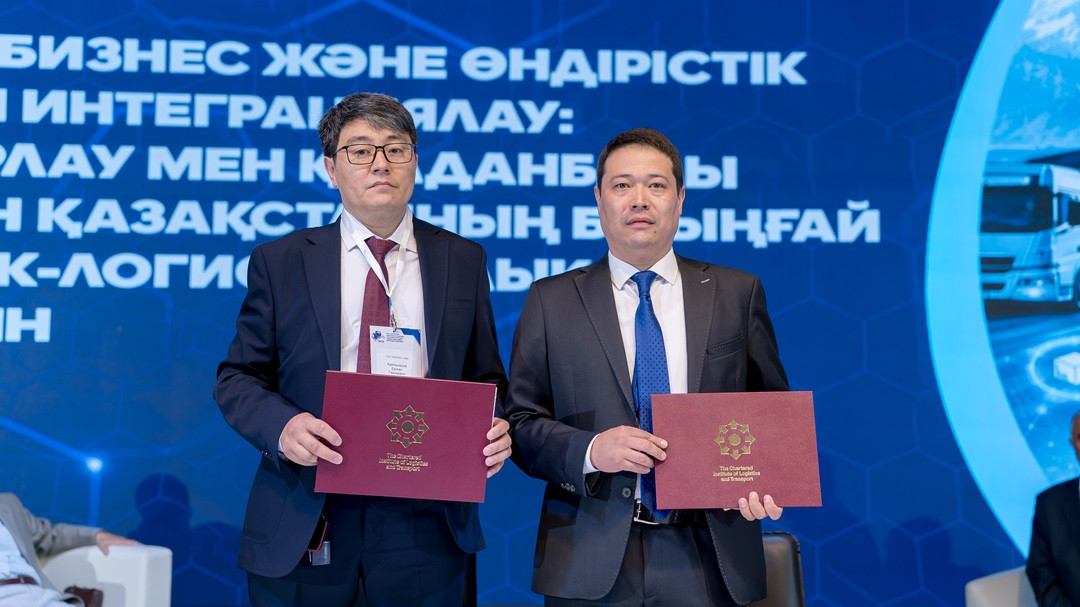
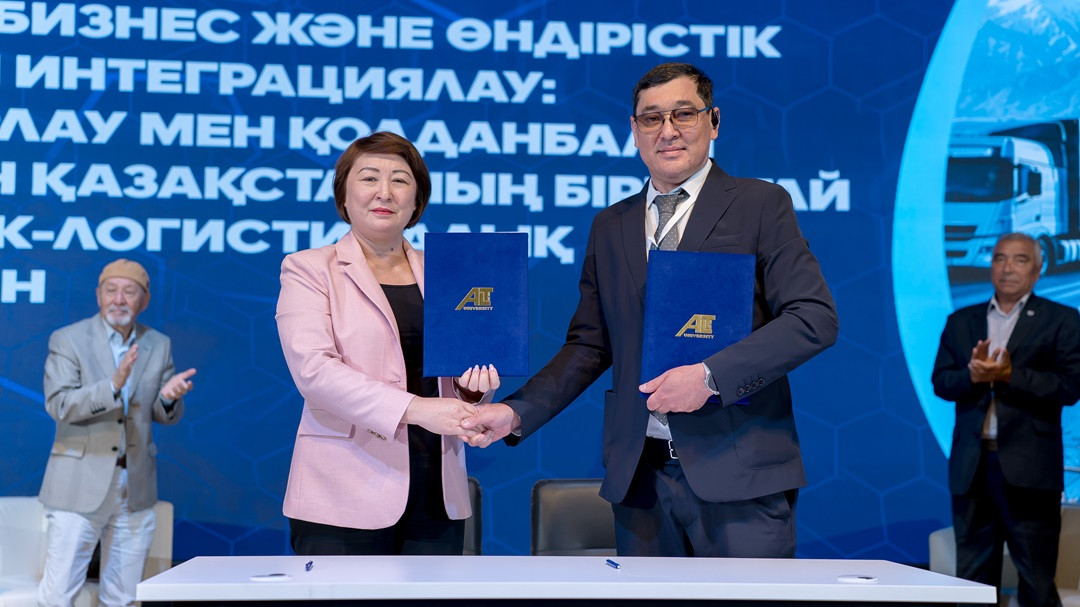
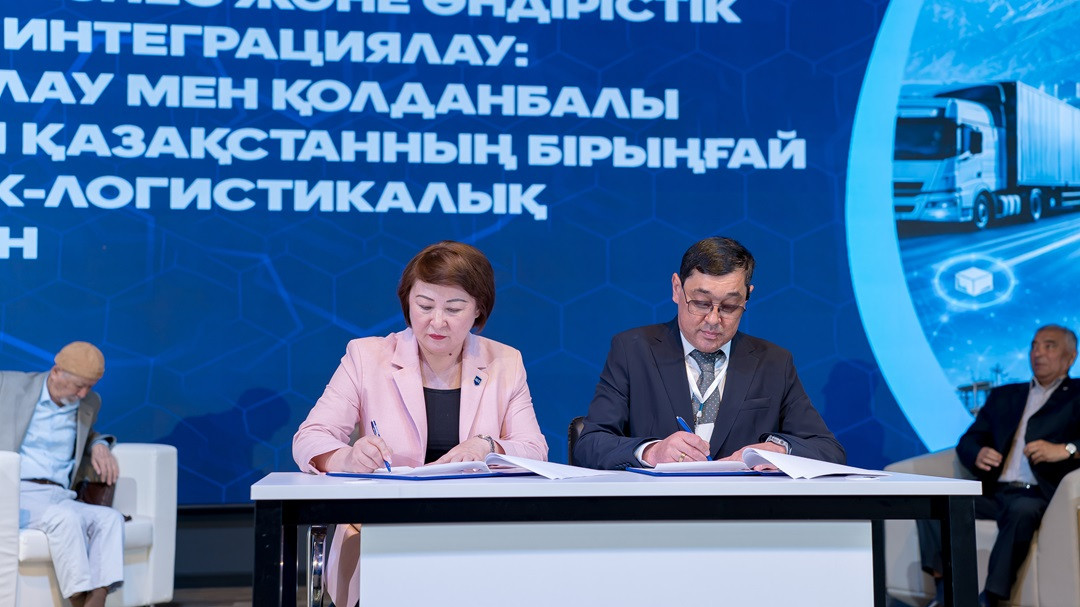
Participants paid special attention to the integration of science, education, and business, the development of human capital, and training qualified personnel for Kazakhstan’s modern transit network. Two strategic Memorandums of Cooperation were signed during the event:
- Between ALT University and CALTA — aimed at developing partnerships in science, education, innovations, and workforce training for the Central Asian transport and logistics sector.
- Between CALTA and CILT Central Asia — focused on advancing professional collaboration in logistics, international freight transport, and the implementation of digital architecture.
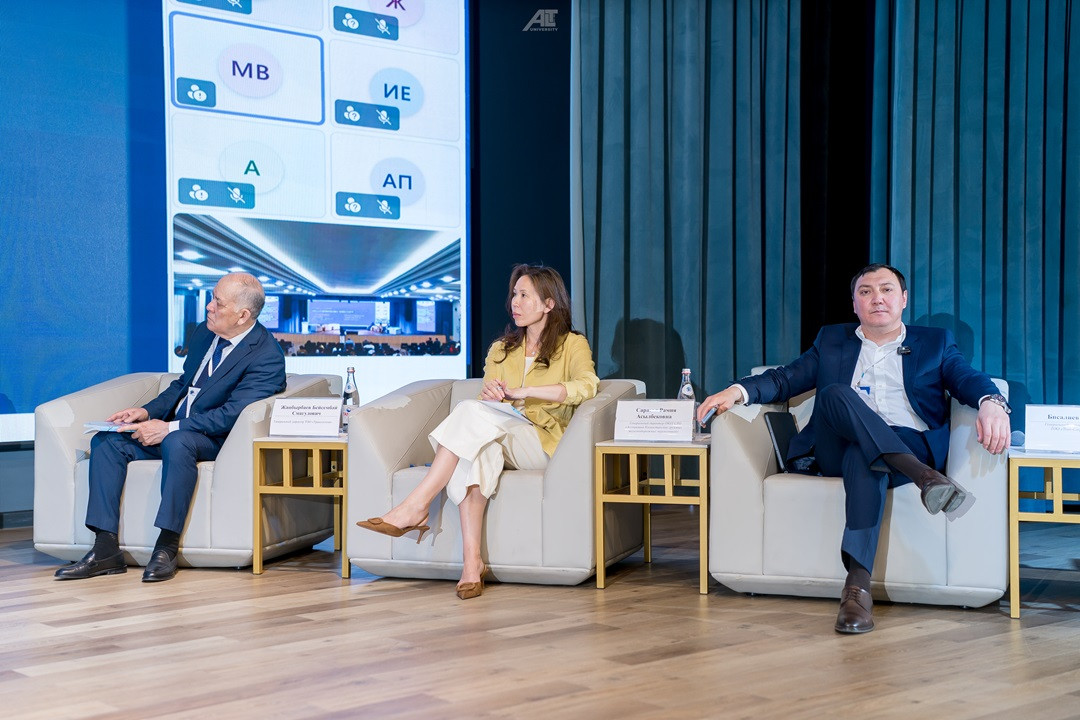
One of the cornerstone segments of the conference was the plenary session: “A New Vision for the Development of Kazakhstan’s TLC: From Scientific and Human Resource Base to the Integration of Market Participants, Digital Solutions, and the Nation’s Logistical Potential,” moderated by Berik Bulekbaev.
The plenary session featured distinguished speakers including Beisembai Zhanbyrbaev, Director General of “Transsystem” LLP, Zhanna Isingarina, Head of TLK Media, Ramia Saraeva, Head of the Association of Kazakhstani Freight Railway Carriers, Rustem Bisaliev, Director General of TransCaspianCargo, and Murat Bekmagambetov, Chief Analyst at “DAR RAIL” LLP.
During the discussions, attendees addressed the development of private traction, multimodal transport, international transport corridors, and Kazakhstan’s overall transit potential. According to the participants, further modernization of the sector is impossible without robust digital platforms, open data architecture, and systemic interaction among all market entities.
A key conclusion of the plenary session was the urgent need to transition from a fragmented approach to creating a Unified Digital Transport and Logistics Ecosystem of Kazakhstan, where education, applied science, data analytics, corporate business, and state agencies operate in perfect synchronization.
The conference concluded with a strategic session, where participants shifted from expert discussions to launching joint initiatives and establishing practical pilot projects designed for Kazakhstan’s transport and logistics sector.