Preserving the scientific legacy of distinguished educators and passing knowledge on to future generations is an important part of the academic traditions of ALT University named after Mukhametzhan Tynyshpayev.
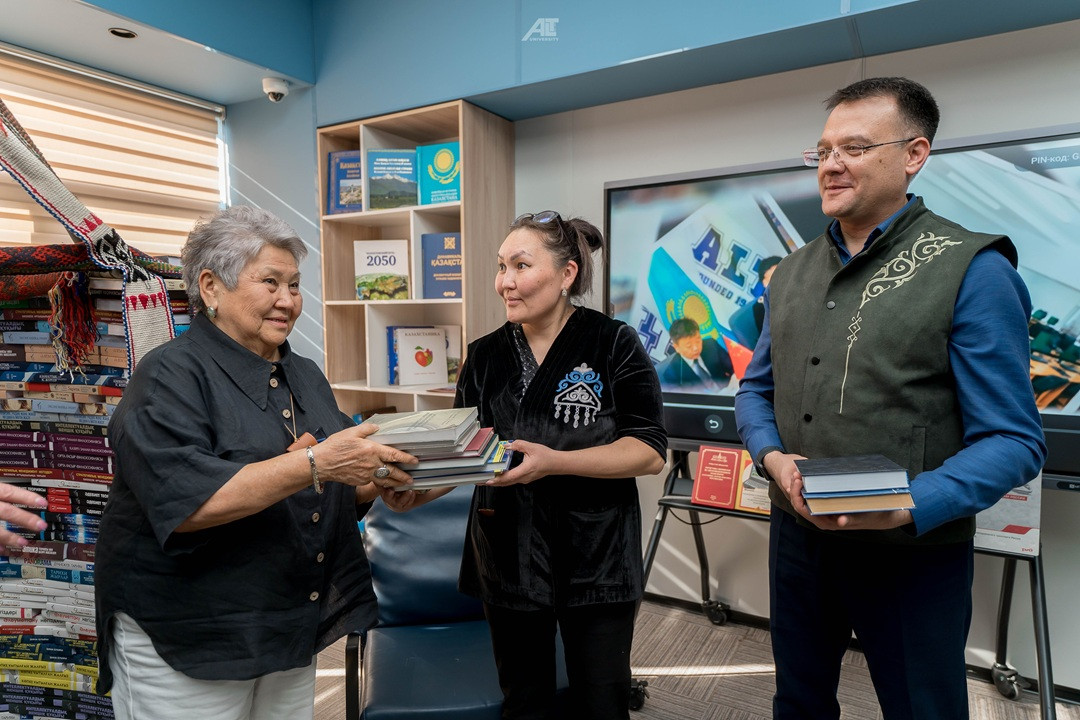
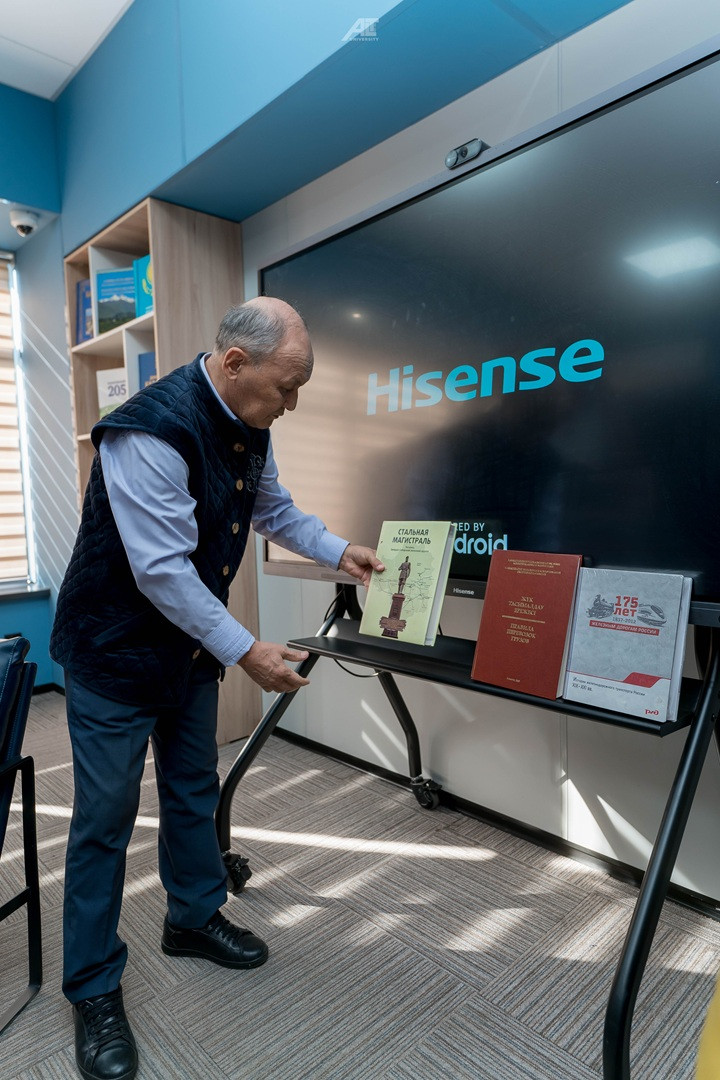
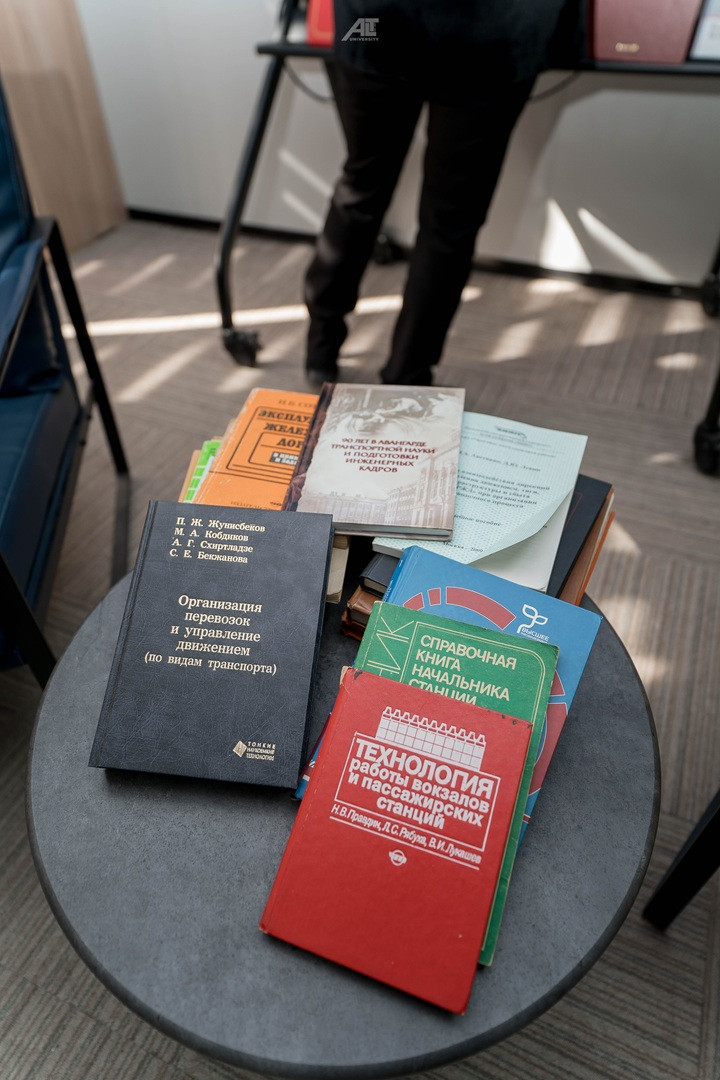
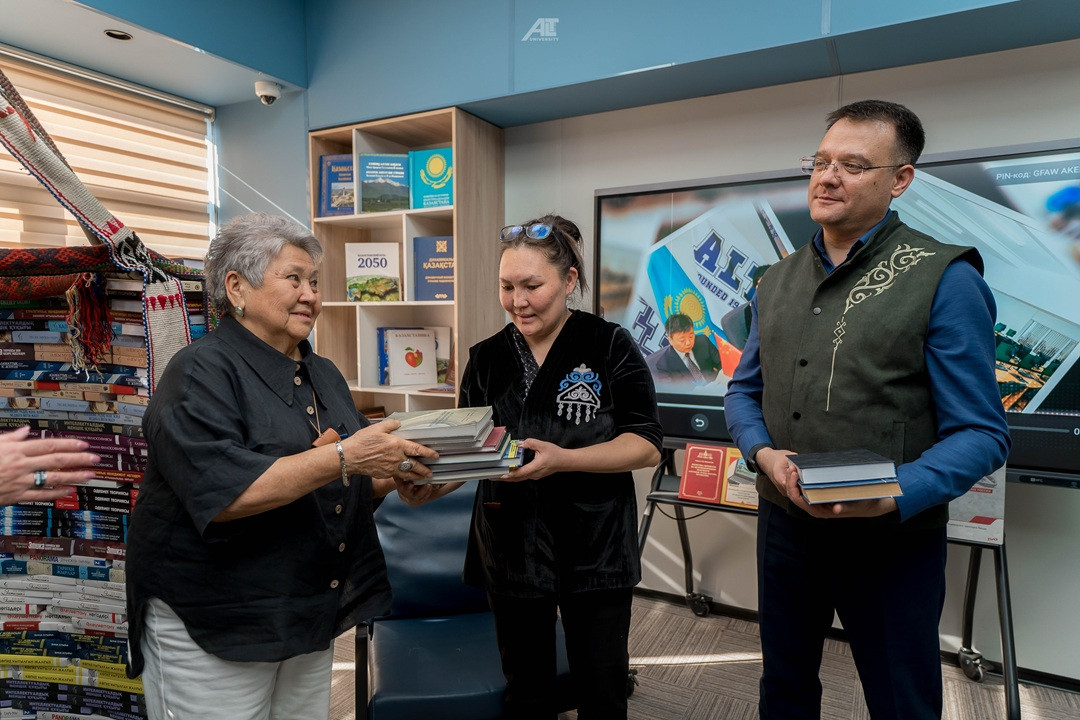
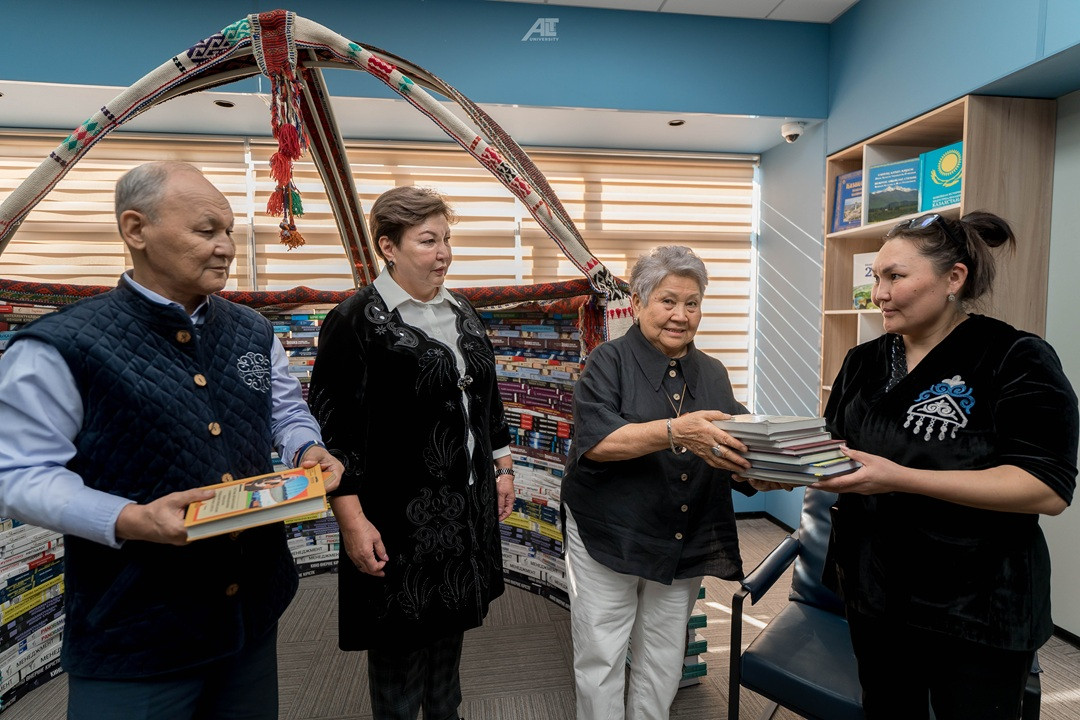
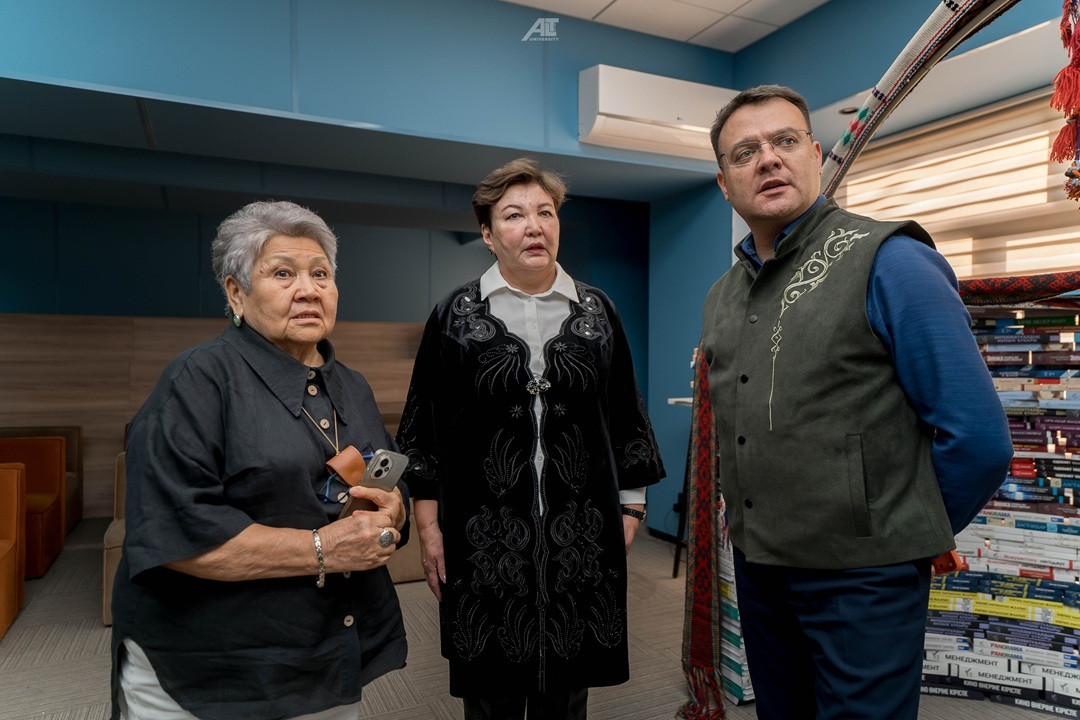
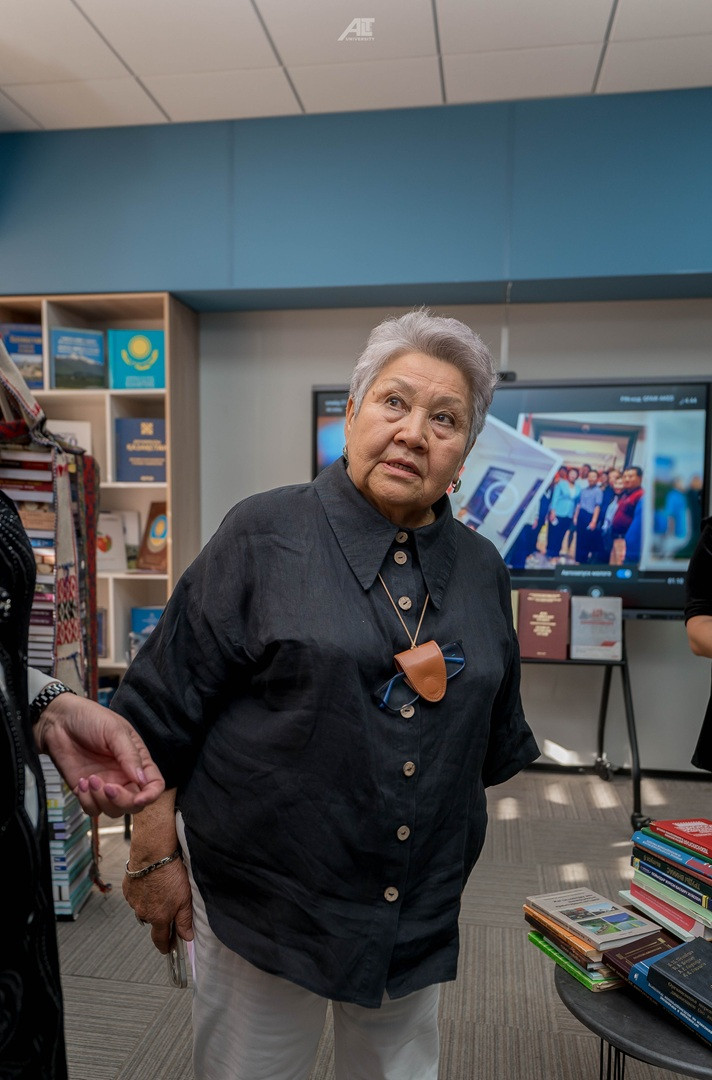
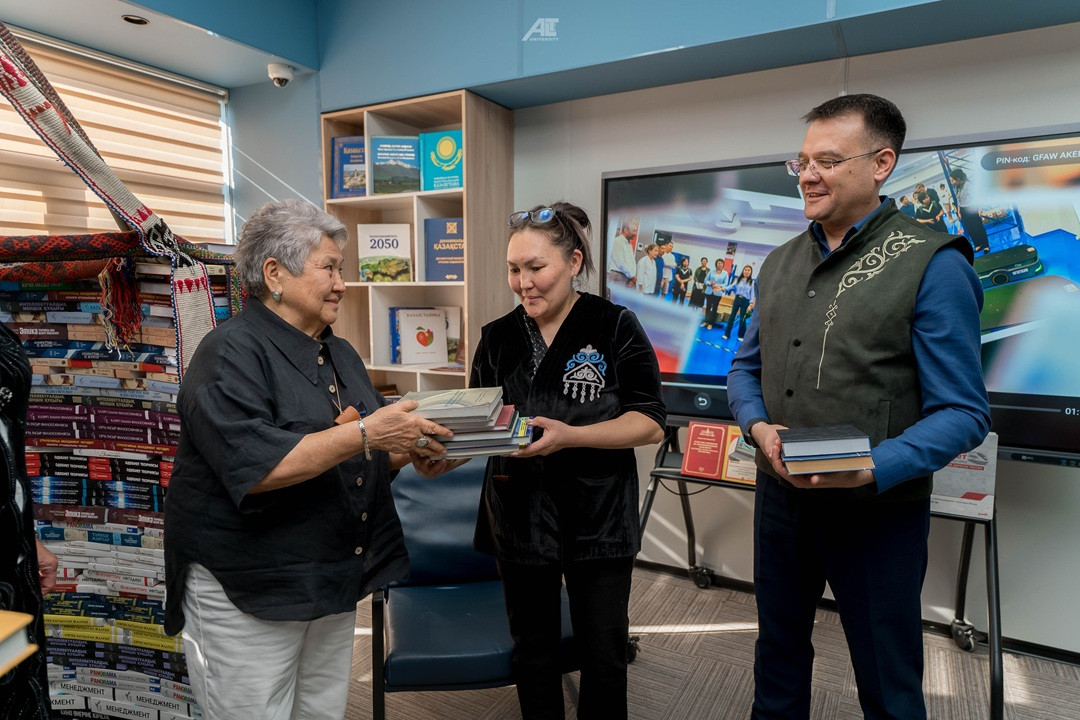
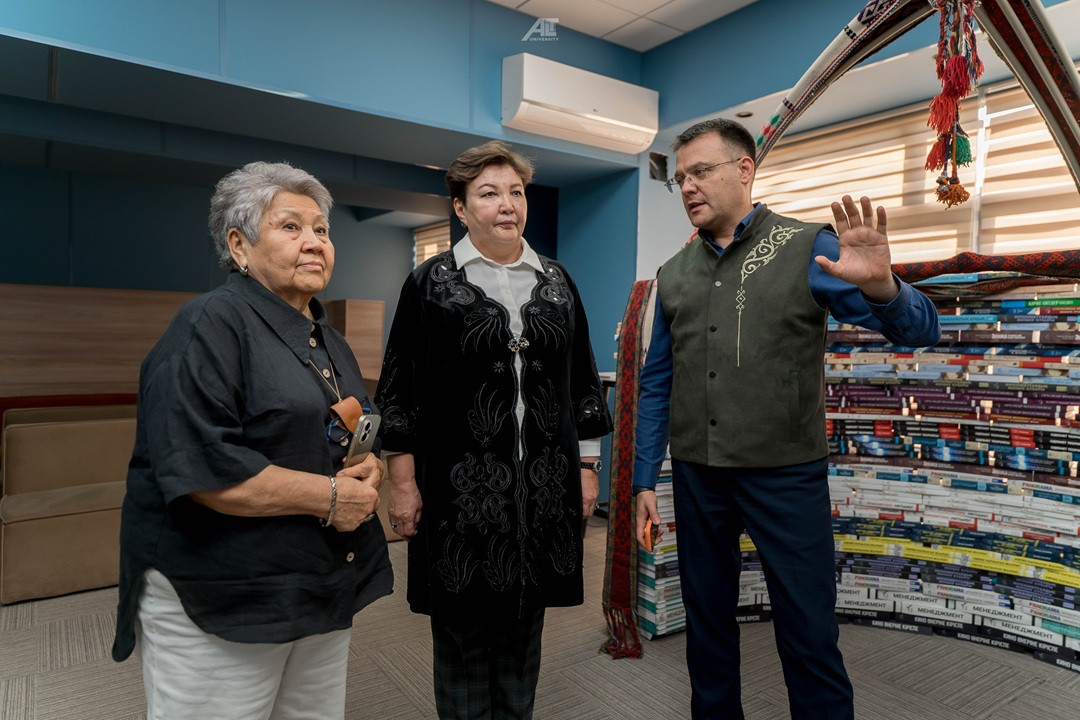
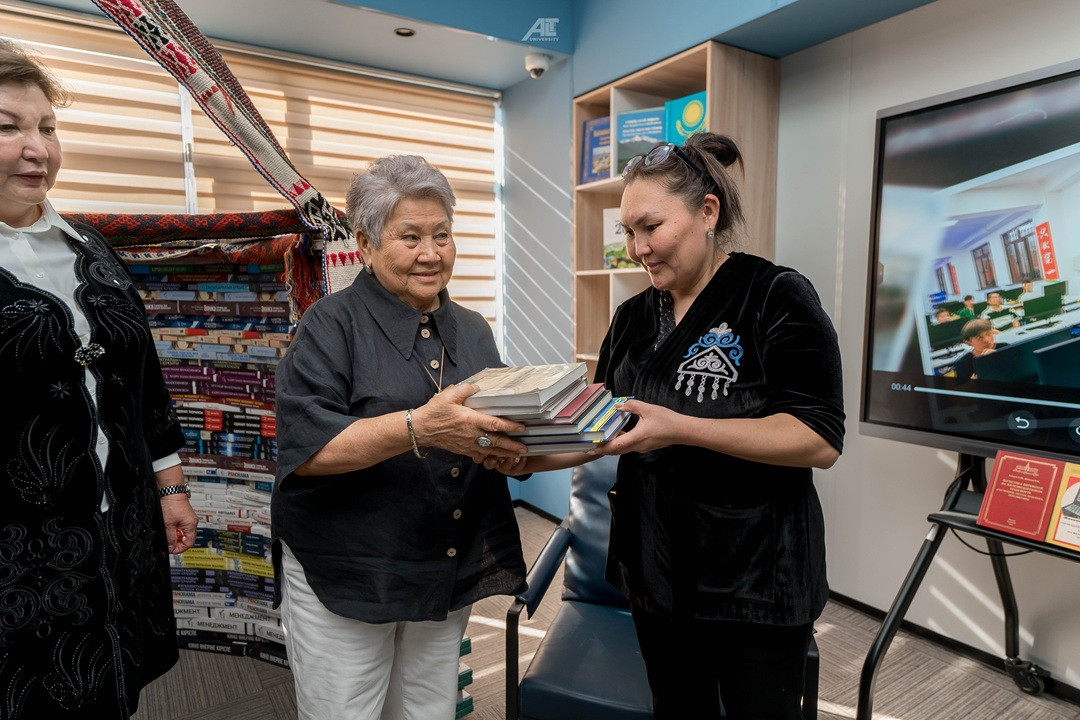
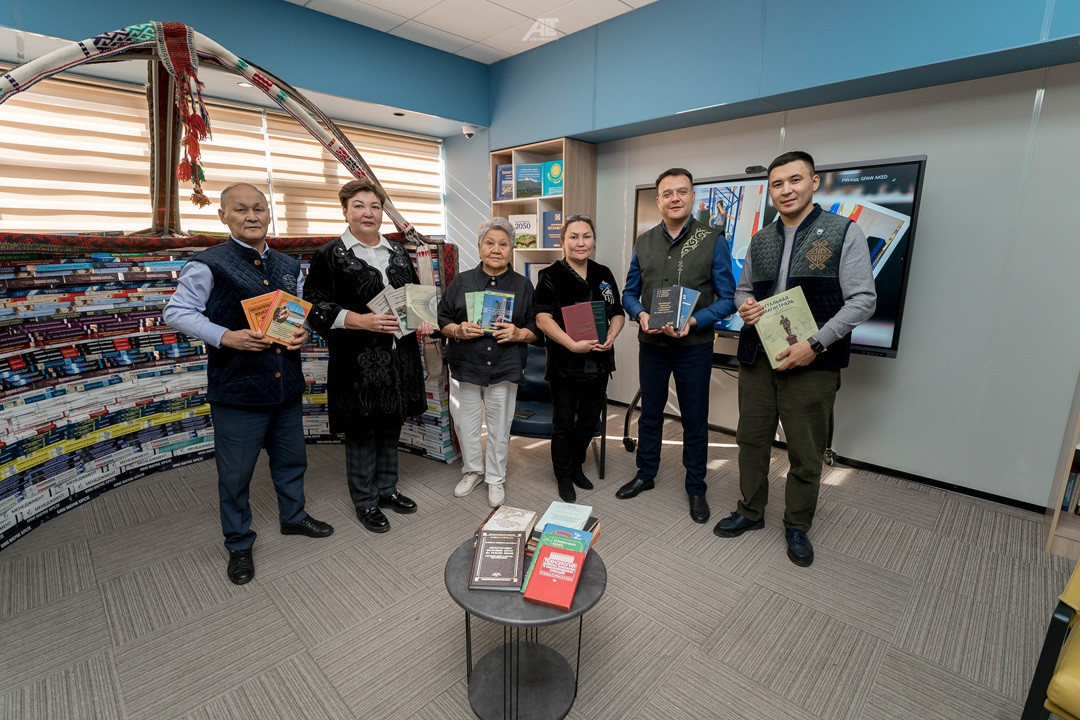
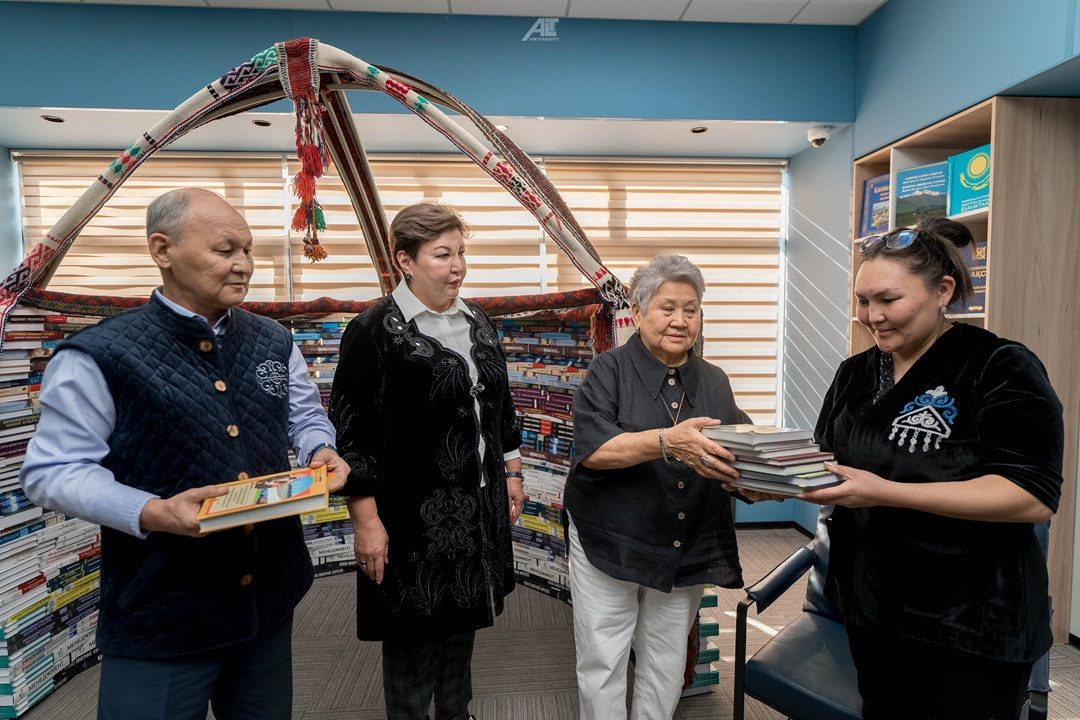
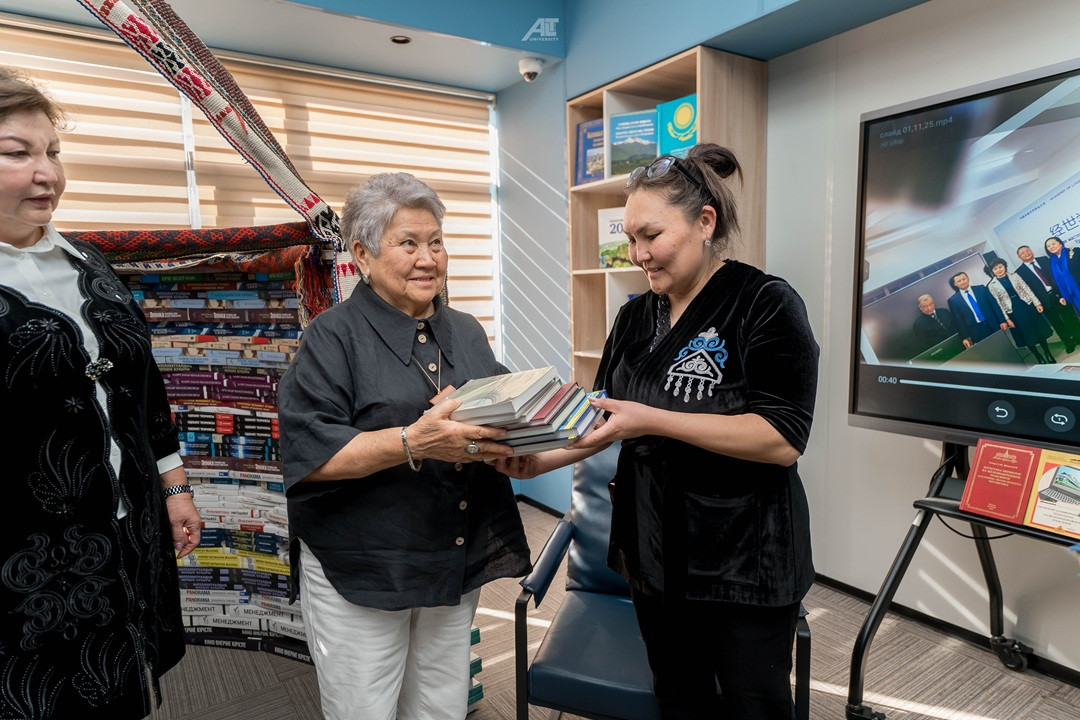
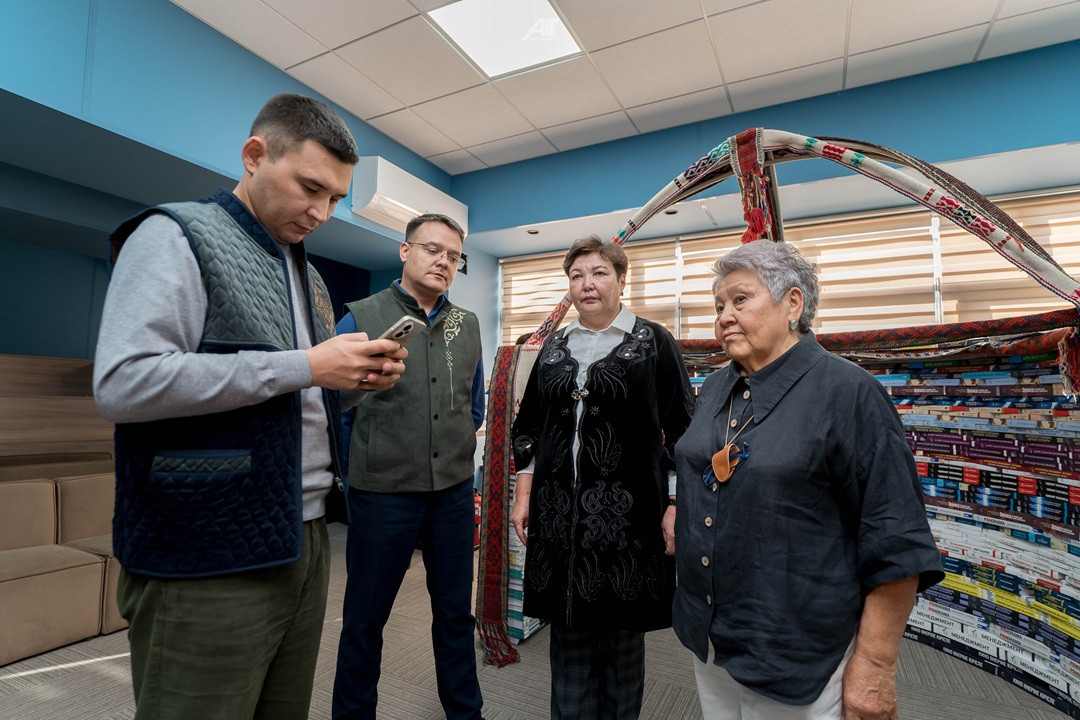
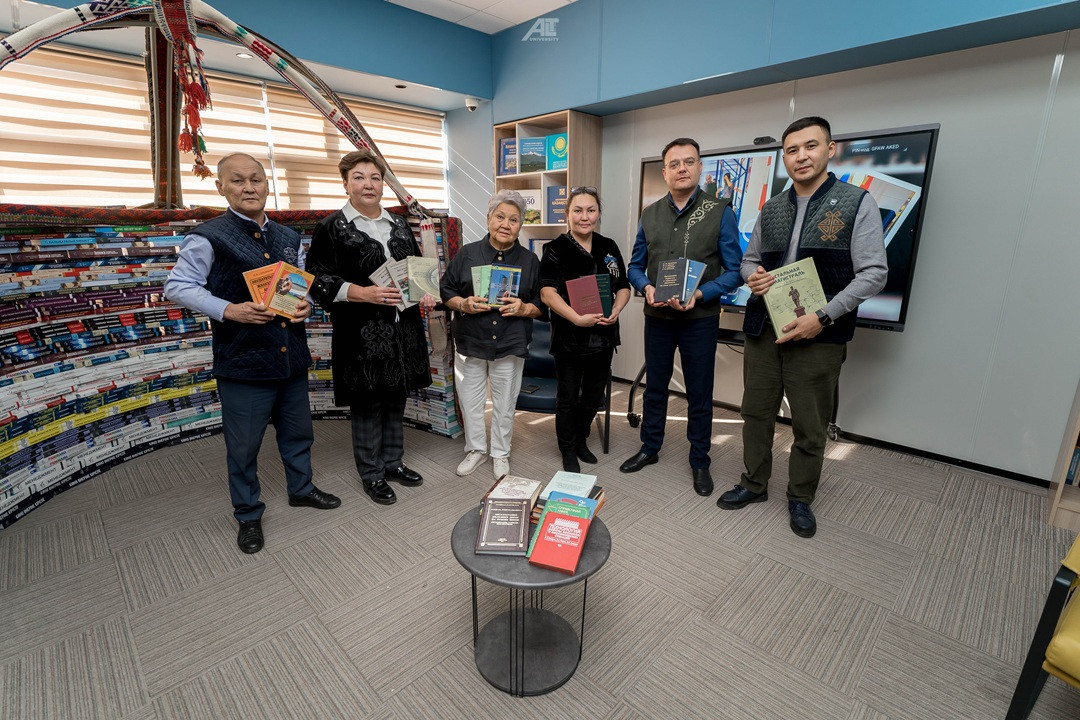
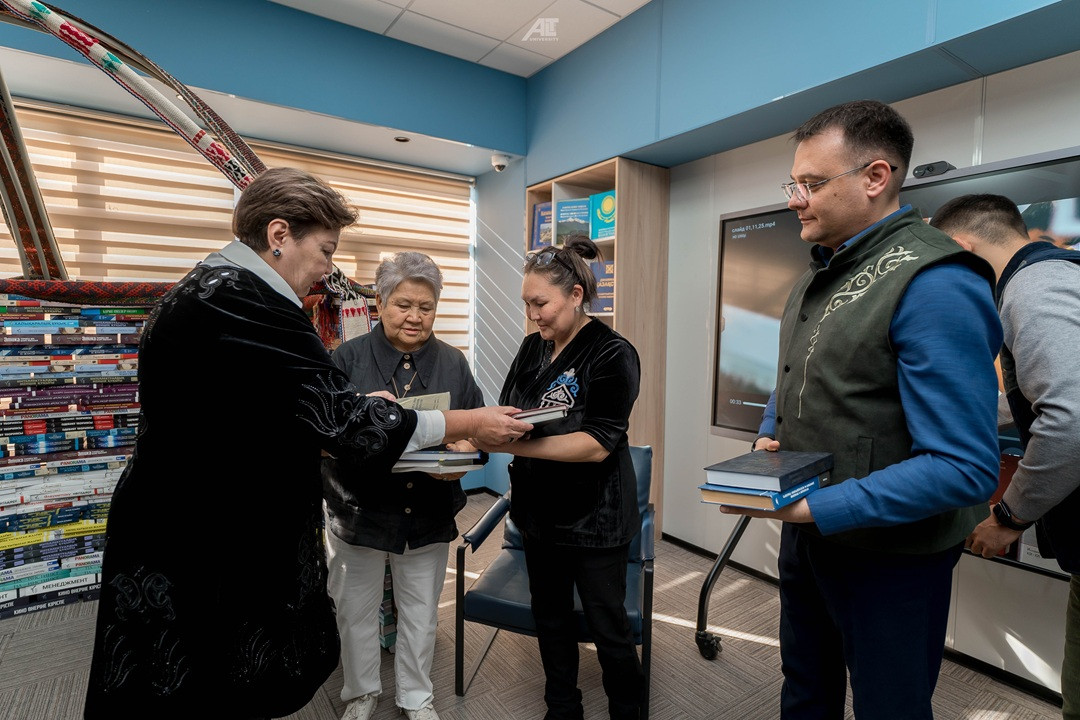
The family of Zarkhum Sartayevich Bekzhanov, an ALT University professor, Candidate of Technical Sciences, renowned scholar and educator who made a significant contribution to the development of transport education in Kazakhstan, has officially donated his personal book collection to the University Library.
This meaningful event represents not only a valuable contribution to the University’s library collection but also a symbol of continuity between generations, respect for academic heritage, and the preservation of Kazakhstan’s traditions in transport education.
A Life Dedicated to Education and the Railway Industry
Zarkhum Sartayevich Bekzhanov devoted his professional life to training qualified railway transport specialists, advancing scientific research, and improving educational practices.
Having begun his career directly in the railway industry, he gained extensive practical experience, which he later successfully applied in his teaching and research activities.
From 1978, his professional career was closely associated with the Almaty Institute of Railway Transport Engineers, one of the predecessor institutions of today’s ALT University. Over many years, he held senior academic positions, headed a faculty, and led the Department of Transportation Process Management, making a significant contribution to the development of transport education.
The preparation of academic and educational literature held a special place in his work. Zarkhum Sartayevich authored the first Kazakh-language textbook “Temirzholtanu Negizderi” (Fundamentals of Railway Transport), a Russian–Kazakh reference dictionary of railway terminology, and several other educational publications.
His academic legacy includes more than 100 scientific and educational-methodological works, which contributed to the development of professional education and railway terminology in the Kazakh language.
However, the professor’s greatest achievement was the generations of students he educated. He passed on not only professional knowledge but also a genuine passion for their chosen field, a sense of responsibility, and a commitment to continuous professional development.
A Personal Library — A Legacy for Future Generations
The official donation of the professor’s personal library to ALT University marks a continuation of his lifelong educational mission.
The books that formed Zarkhum Sartayevich’s personal collection over many years will now serve new generations of university students, master’s and doctoral candidates, and faculty members.
The addition to the library collection will provide further opportunities for independent study, academic research, and deeper exploration of transport and logistics.
This donation is particularly valuable for preserving the University’s academic memory, as a scholar’s personal library reflects their professional interests, academic perspectives, and lifelong commitment to education.
The donation also highlights the enduring connection between generations of educators and students, united by shared values of knowledge, research, and professional growth.
ALT University expresses its sincere gratitude to the family of Zarkhum Sartayevich Bekzhanov for their generous gesture, their dedication to preserving his scientific legacy, and their valuable contribution to the development of the University Library.
The donation of the professor’s personal library is more than an expansion of the book collection. It is a tribute to the memory of a distinguished educator who dedicated his life to the University, its students, and the development of Kazakhstan’s transport industry.
The knowledge that Zarkhum Sartayevich so generously shared with his students continues to live on — now through the pages of books available to future generations of transport professionals.
SDG 11 — Sustainable Cities and Communities — preserving cultural, historical, and academic heritage.
Author: Alik Asel