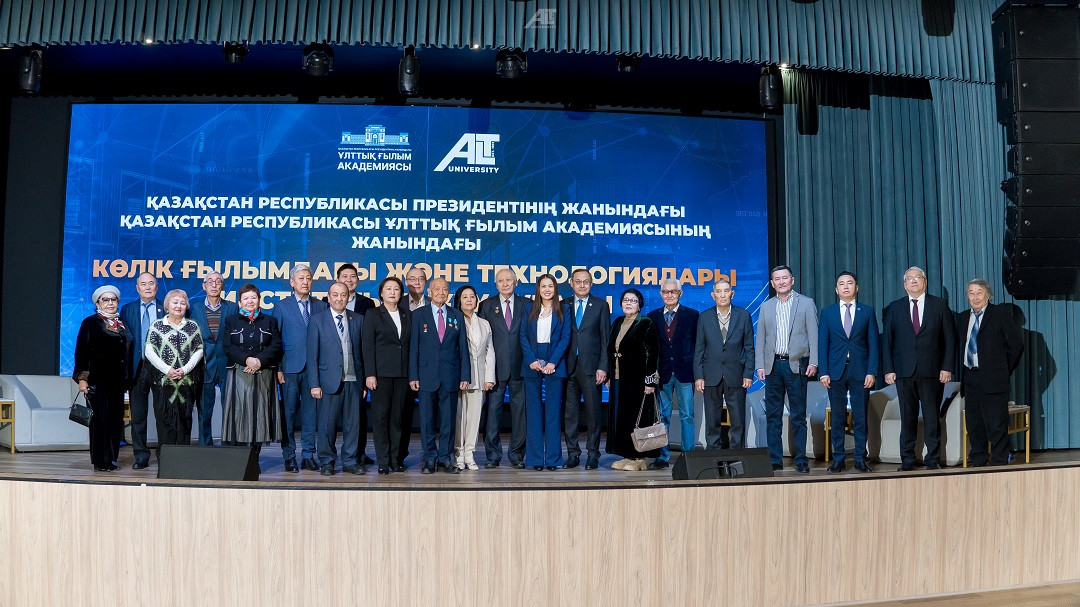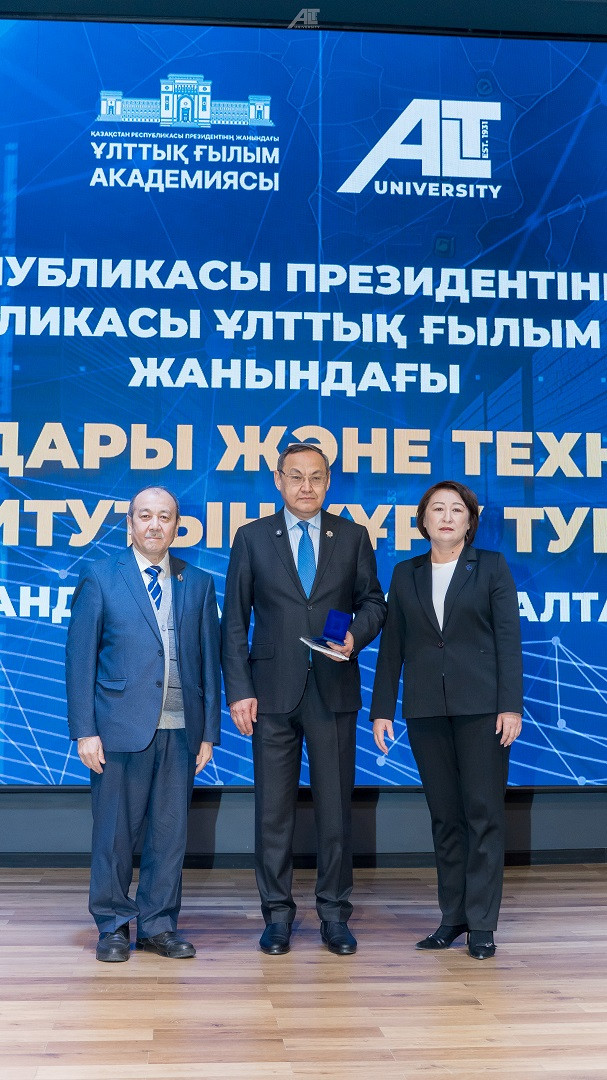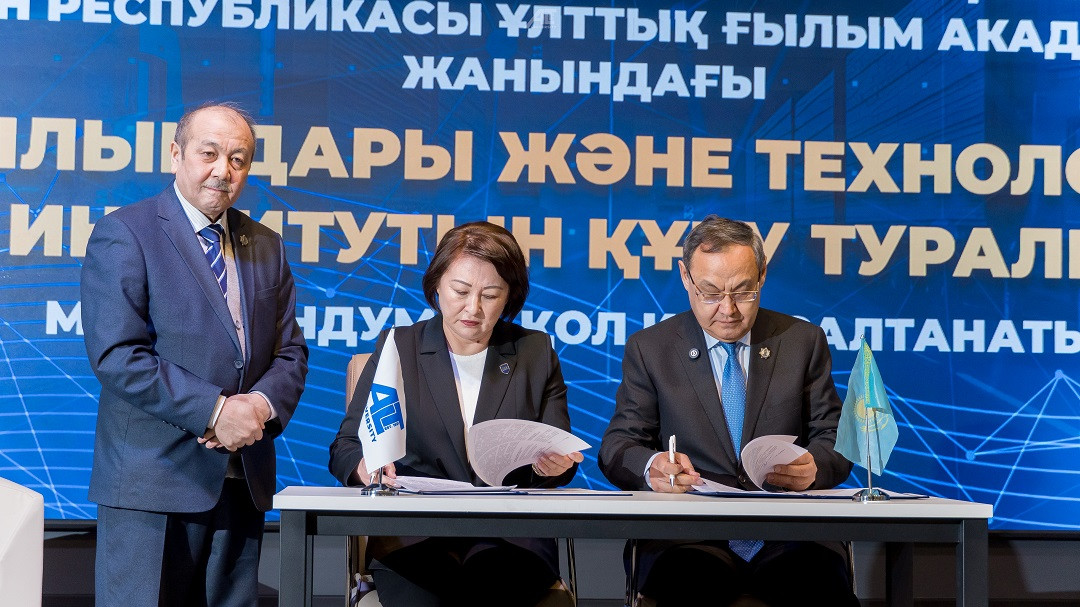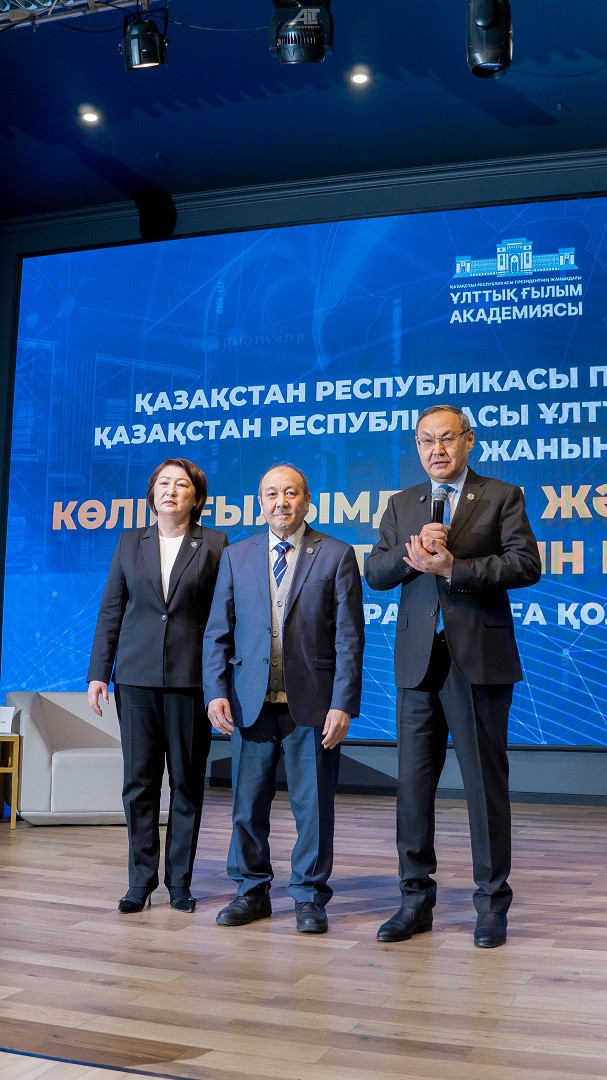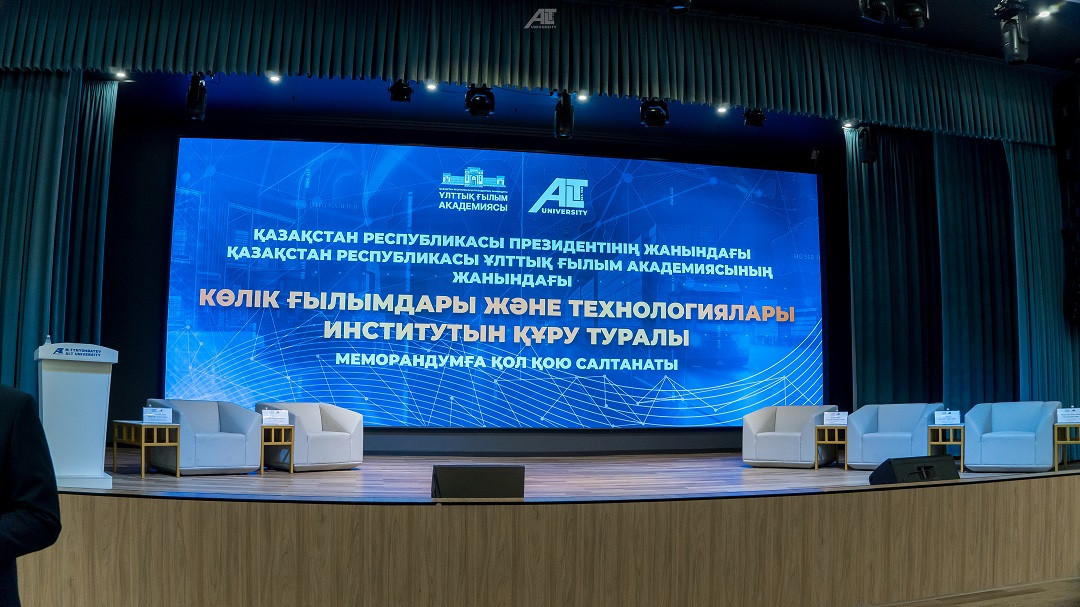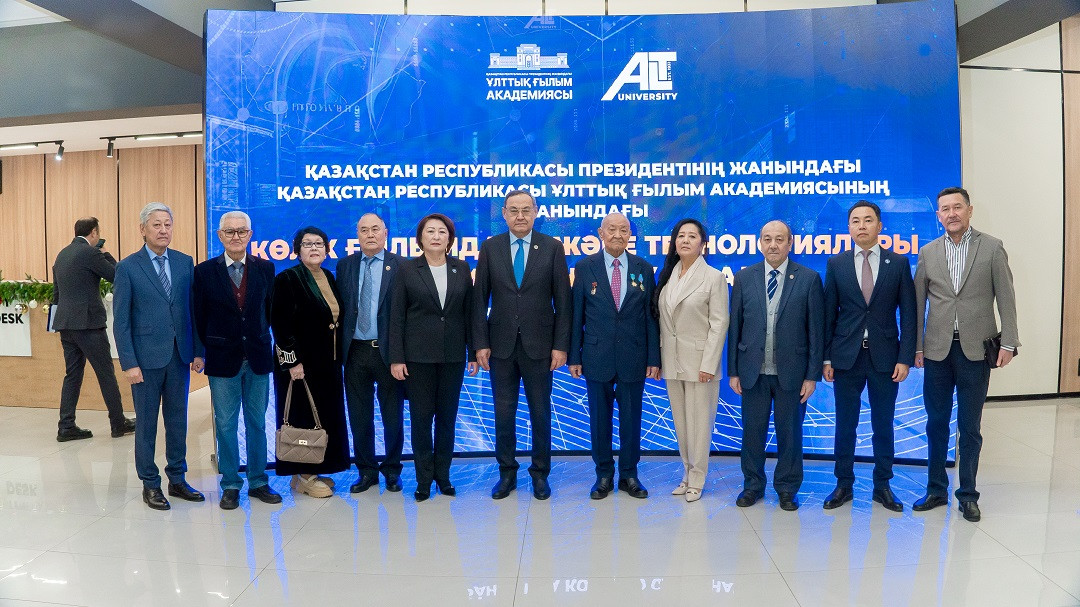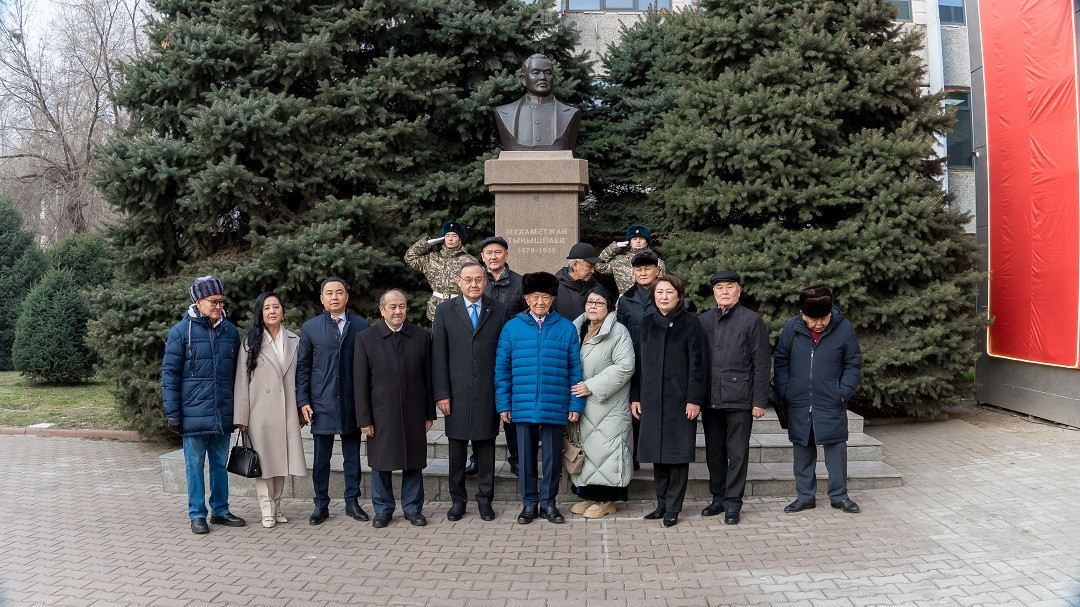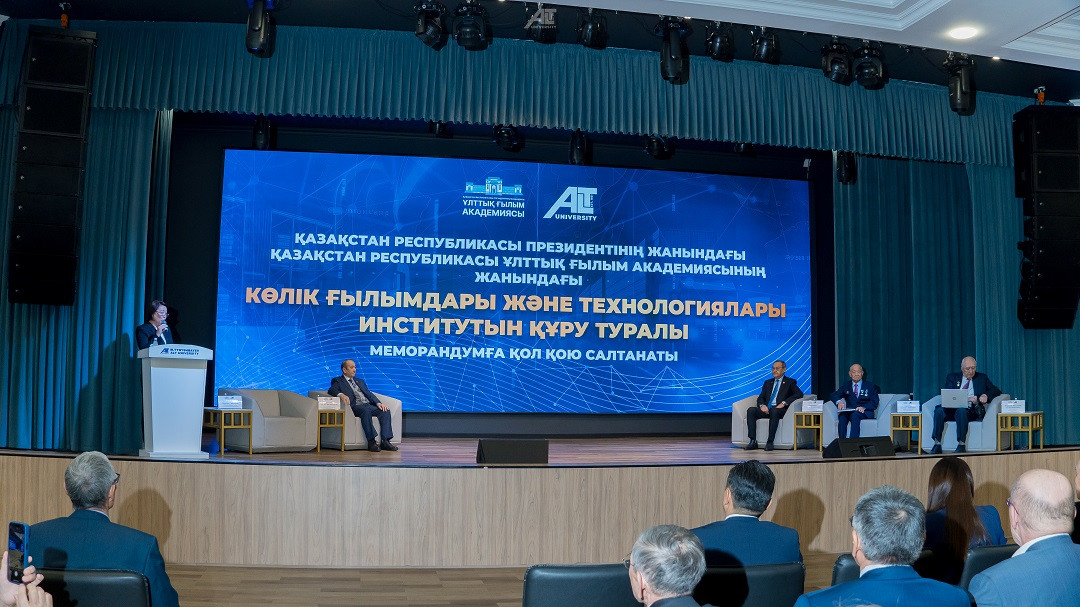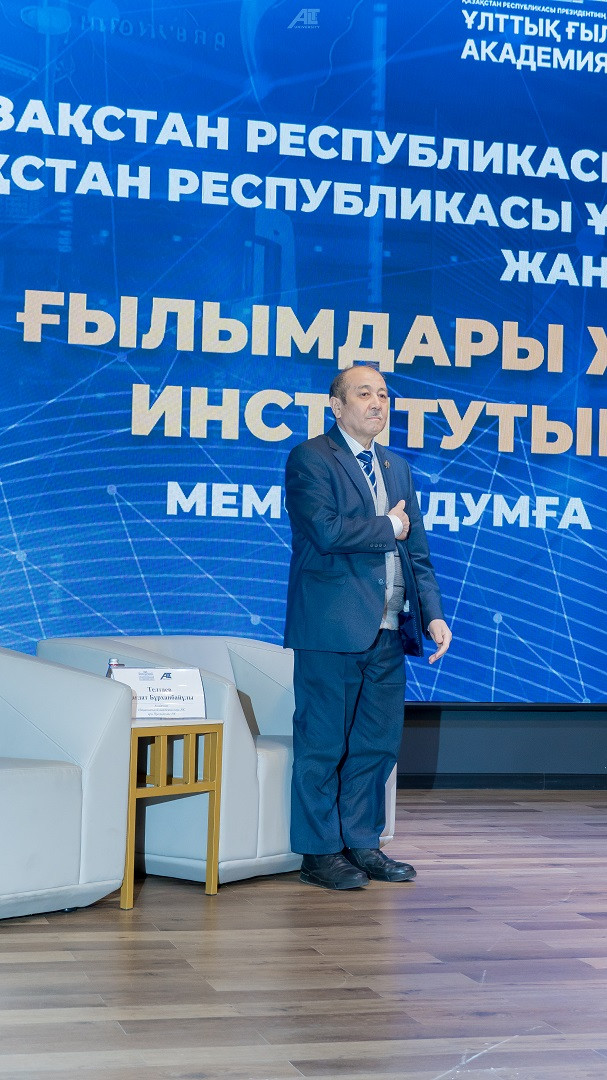
On January 9, 2026, ALT University named after M. Tynyshpayev hosted a ceremonial signing of the Memorandum on the establishment of the first Institute of Transport Sciences and Technologies (ITST) in Kazakhstan under the National Academy of Sciences of the Republic of Kazakhstan under the President of the Republic of Kazakhstan. The selection of ALT University as the base institution for the implementation of this project represents recognition of its leading role in the development of transport education and science in the country.
Speaking at the ceremony, Meruert Zharmagambetova, Chair of the Management Board – Rector of ALT University named after M. Tynyshpayev, described the signing of the Memorandum as a significant milestone in the development of national transport science and an event of nationwide importance. According to the Rector, it is a great honor for ALT University to serve as the core platform for the implementation of this strategic project and a sign of high trust from the academic community.
She also emphasized the symbolic significance of establishing the Institute at a university that bears the name of the outstanding engineer and statesman Mukhamedzhan Tynyshpayev.
“The new Institute will become not merely a scientific structure, but a full-fledged innovation ecosystem, where science will be closely integrated with practice, and research outcomes will be aimed at enhancing the competitiveness of Kazakhstan’s transport system,” Meruert Zharmagambetova noted.
The establishment of the Institute is being carried out in fulfillment of the instructions of the Head of State, Kassym-Jomart Tokayev, who has repeatedly emphasized the strategic importance of developing the transport and logistics sector and strengthening the country’s transit potential.
Speaking at the ceremony, Akhylbek Kurishbayev, President of the National Academy of Sciences under the President of the Republic of Kazakhstan, noted that transport is one of the key sectors of the economy and a crucial factor in socio-economic development.
“Kazakhstan’s geographical position at the center of Eurasia provides unique opportunities for the development of transit and logistics. Under these conditions, scientific support for the transport sector becomes especially important,” Akhylbek Kurishbayev emphasized.
According to him, a specialized “Transport” section has been established within the National Academy of Sciences, and this field has been included in the list of priority scientific areas, enabling expanded participation of transport-related projects in grant and program-targeted funding.
The Institute of Transport Sciences and Technologies will be headed by a leading transport expert, Academician Bagdat Burkhanbayuly Teltaev. In his remarks, he emphasized that the Institute’s activities will focus on ensuring the sustainable operation and development of Kazakhstan’s transport system.
The Institute will serve as a specialized research center aimed at developing scientific and technical foundations for the advancement of the transport system, improving the efficiency of transit and logistics, introducing innovative materials and technologies, and enhancing the reliability and durability of transport infrastructure.
One of the Institute’s priority areas will be the refinement of road and climate zoning across Kazakhstan. A transition is planned from the current two-zone classification to a more detailed system that takes into account regional specifics in the design, construction, and operation of transport facilities.
The activities of ITST will also involve the use of digital solutions, including artificial intelligence technologies, geographic information systems (GIS), and predictive modeling, to optimize transport flows and enhance infrastructure safety.
As part of the event, speeches were also delivered by Hero of Labor of Kazakhstan, Honorary Railway Worker K.S. Sambetov, and Honored Figure of the Republic of Kazakhstan, Professor B.S. Murtazin. Participants were introduced to the university’s research infrastructure and discussed prospects for the development of applied transport science.
The establishment of the first Institute of Transport Sciences and Technologies in Kazakhstan at ALT University named after M. Tynyshpayev represents an important step toward building a sustainable scientific foundation for the transport sector, strengthening the country’s transit and logistics potential, and enhancing the University’s role as a national center of expertise in the field of transport.