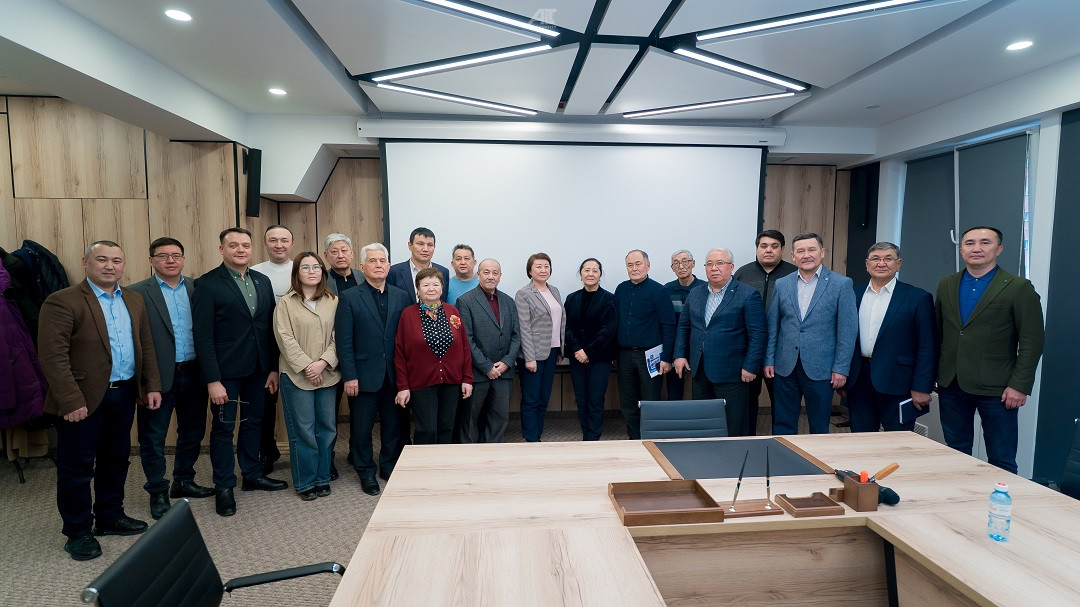
On February 10, 2026, delegations from Mukhametzhan Tynyshbayev ALT University and the Institute of Transport Sciences and Technologies under the National Academy of Sciences of the Republic of Kazakhstan held an off-site meeting of the “Transport” Section established within the Center for Earth, Space and Communication Sciences of the NAS RK.
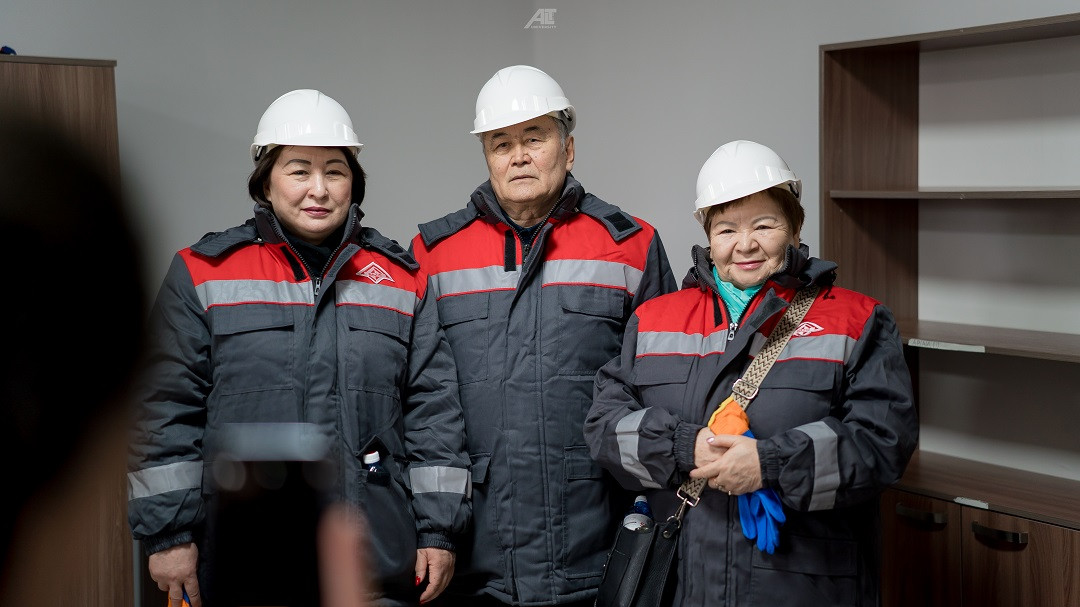
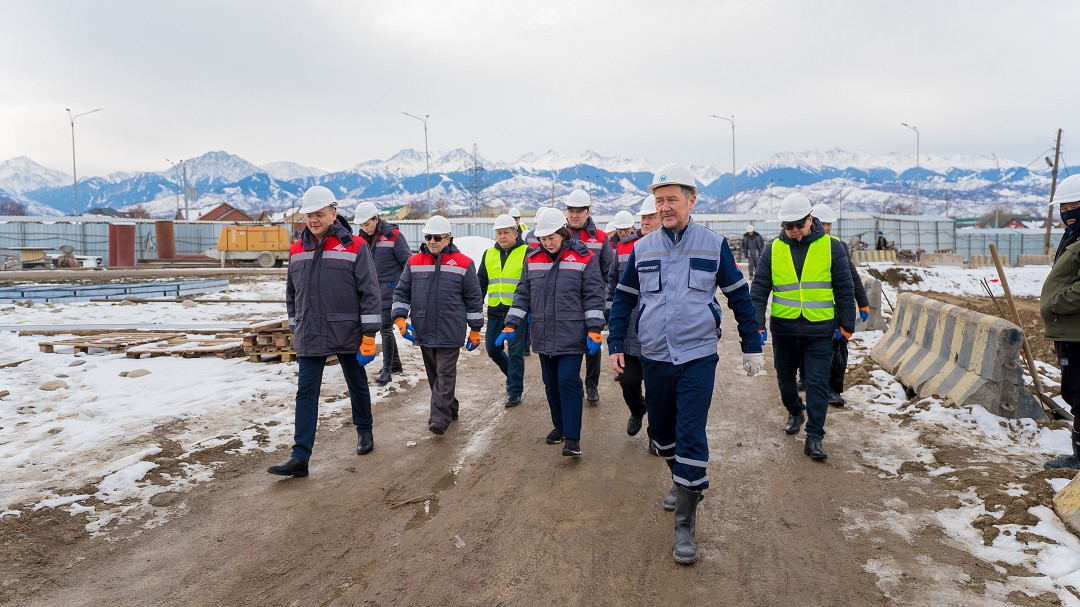
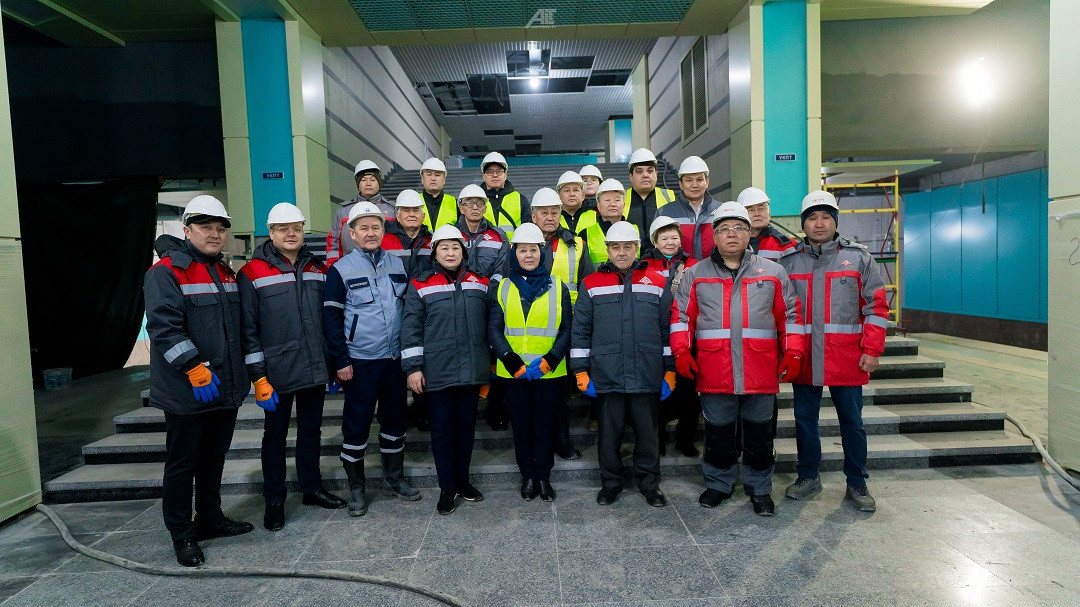
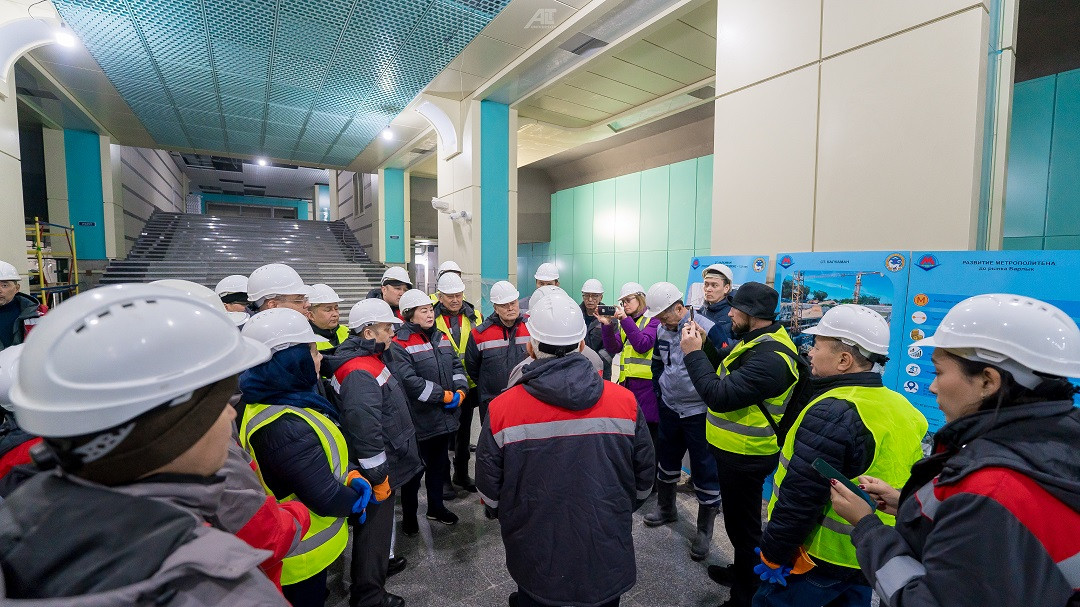
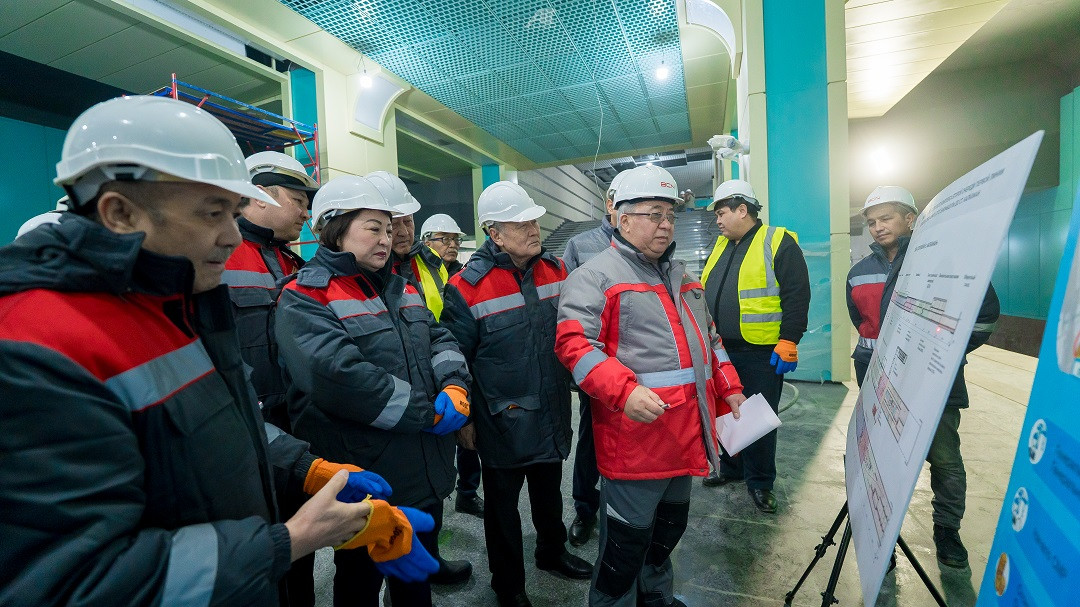
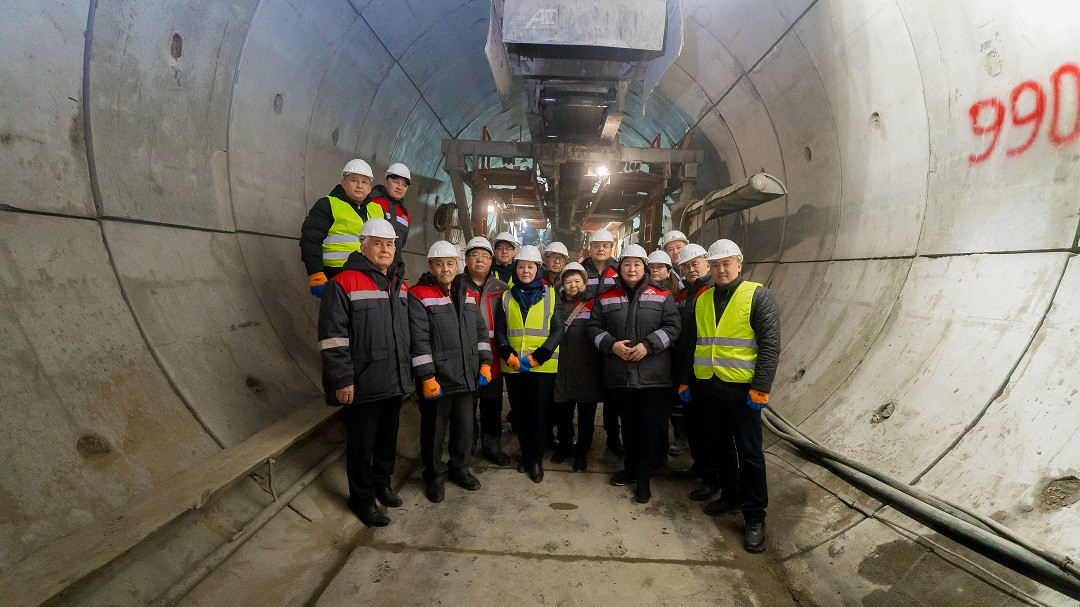
As part of the strategic session, participants visited facilities of the Almaty Metro and reviewed the construction progress of the new “Kalkaman” station.
The delegation descended directly into the tunnel of the station under construction, where representatives of the contracting organization, BCN Group LLP, led by Managing Director and Project Manager Murat Tankibaevich Ukshebaev, conducted a detailed technical tour. The stages of ongoing work, applied engineering solutions, tunneling technologies, and safety measures were demonstrated. Special attention was given to challenging geological conditions and innovative approaches used in the construction of underground infrastructure.
During the visit, representatives of ALT University and the Institute of Transport Sciences and Technologies had the opportunity to familiarize themselves with the practical aspects of metro construction, engage with industry specialists, and discuss prospects for involving the academic and educational community in supporting such large-scale infrastructure projects.
While visiting the station, Chair of the Management Board – Rector of Mukhametzhan Tynyshbayev ALT University, Meruert Sovetovna Zharmagambetova, emphasized the strategic importance of the project for the city and the country:
“The construction of the metro is a major milestone and a story created by generations of builders working for the development of the city and the country. As a university, we are ready to contribute to this joint effort. Students must see and understand how the metro is built — from the inside, on real sites. The organization of all types of internships, dual education, and applied traineeships enables us to prepare specialists who are fully aligned with the needs of the metro system.”
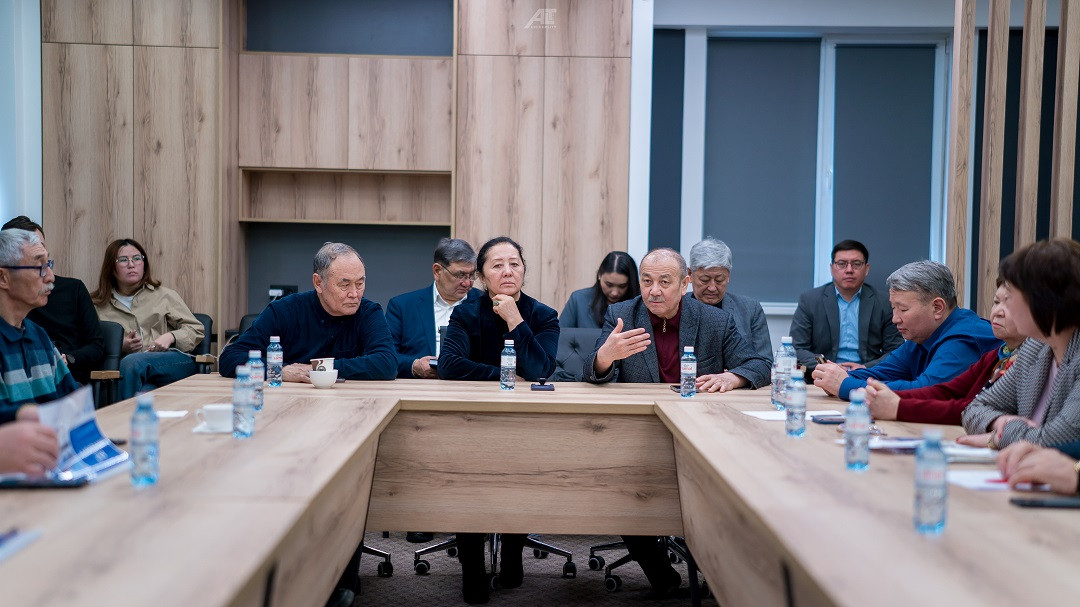
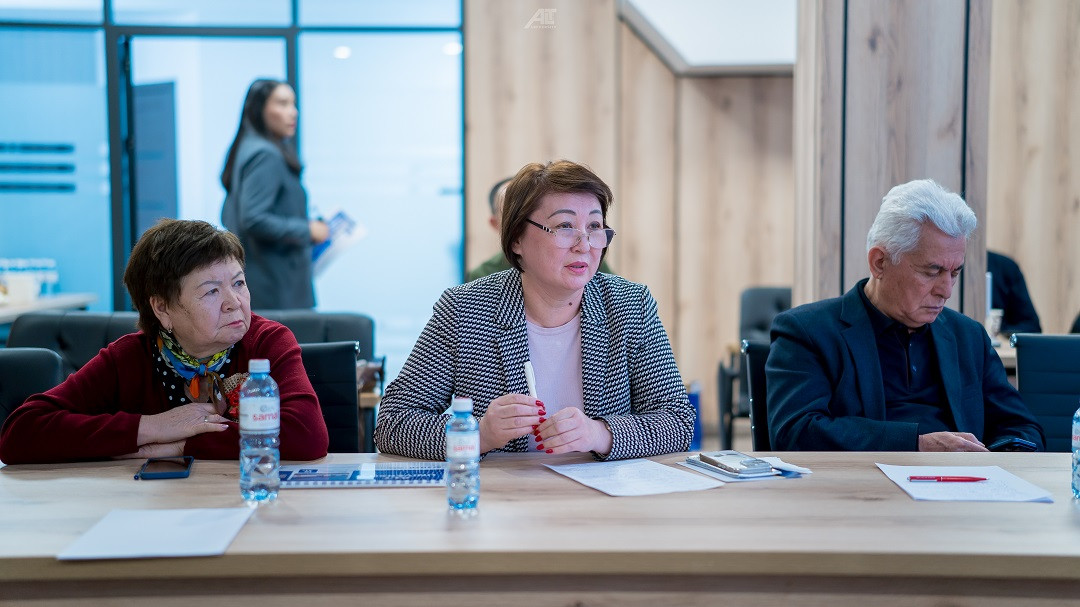
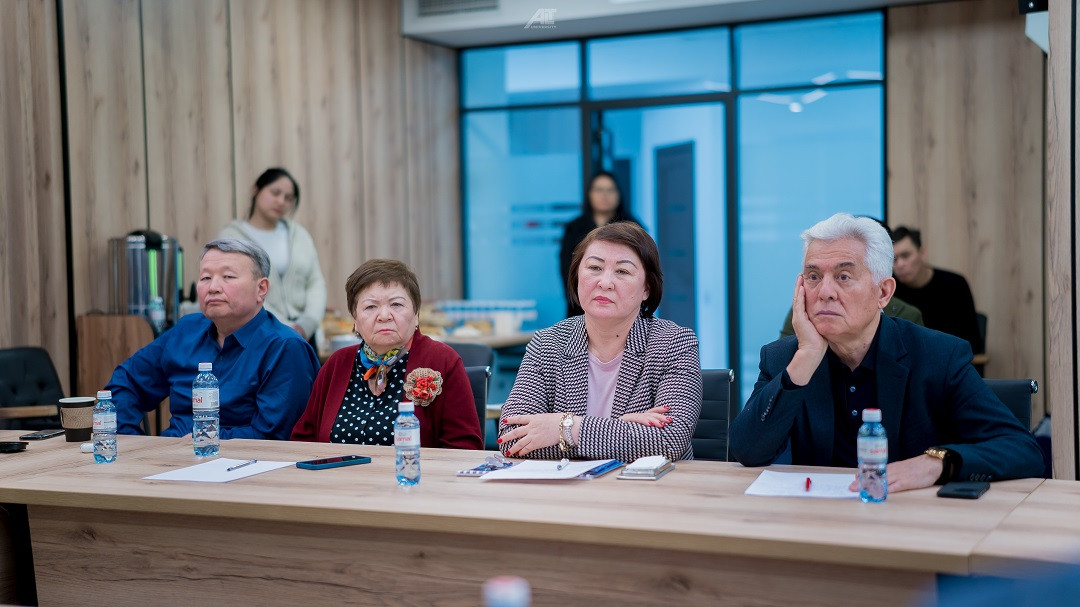
Following the site inspection, the delegations continued the main part of the strategic session, “Transport Science,” at the premises of the design organization Metroproject.
Chair of the “Transport” Scientific Section, Academician and Director of the Institute of Transport Sciences and Technologies, Bagdat Burkhanbaevich Teltaev, highlighted the importance of systematic scientific support for metro construction involving leading researchers. Within the framework of mega-grant projects, plans include the development of applied engineering solutions, training of qualified personnel, and funding of research in the field of underground transport infrastructure.
In the practical part of the meeting, Director of Metroproject LLP, Muratbek Nagimetovich Kulbaev, presented the development plans of the Almaty Metro, including stages of design, construction, and commissioning of new lines, as well as strategic directions for expanding underground transport infrastructure. Particular attention was paid to modern engineering solutions and long-term prospects for metro development. Reports were also delivered on strategic plans for the development of Almaty’s transport system, including prospects for LRT projects and the integration of metro, LRT, and other forms of public transport into a unified and sustainable transport ecosystem of the metropolis.
A separate focus was placed on staffing infrastructure projects. Project Manager for the construction of the “Kalkaman” station, Murat Tankibaevich Ukshebaev, noted the shortage of qualified specialists and emphasized the need for systematic workforce training to ensure sustainable sector development.
Rector Meruert Sovetovna Zharmagambetova presented an overview of training future specialists for the underground transport infrastructure sector. The presentation addressed the integration of educational programs with real production projects, student involvement at construction sites and in design organizations, and the strengthening of cooperation between science, education, and industry.
ALT University proposed the formation of a “University – Metro – Industry” cooperation model and the creation of a strategic educational cluster aimed at training personnel for the metro sector. The model includes the implementation of targeted educational programs, the establishment of sector-specific laboratories and research platforms, the introduction of dual and corporate education formats, joint curriculum development, practice-oriented teaching, as well as the launch of micro-credentials and professional development programs.
The goal of the cooperation is to train specialists for the metro system, reduce workforce shortages, enhance the qualifications of current employees, build a talent pipeline, and foster joint scientific and technical developments.
Following the off-site meeting, the parties emphasized the high importance of collaboration between Mukhametzhan Tynyshbayev ALT University, design organizations, and contractors. Such formats bridge academic knowledge with real engineering practice and provide students and faculty with a comprehensive understanding of modern infrastructure processes.