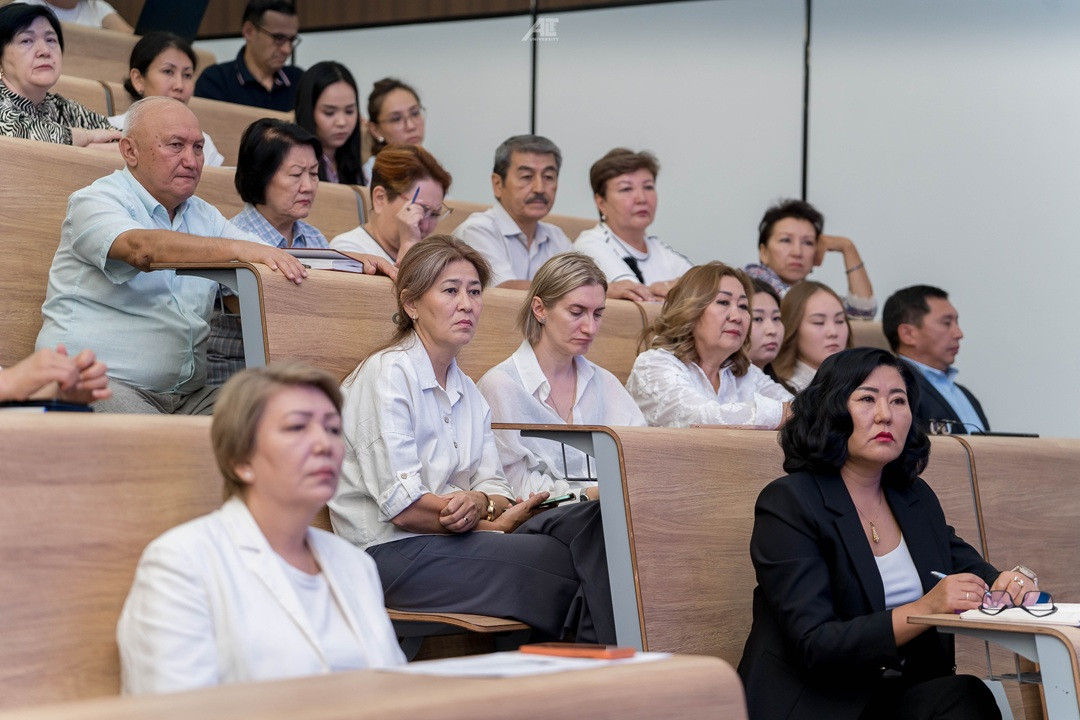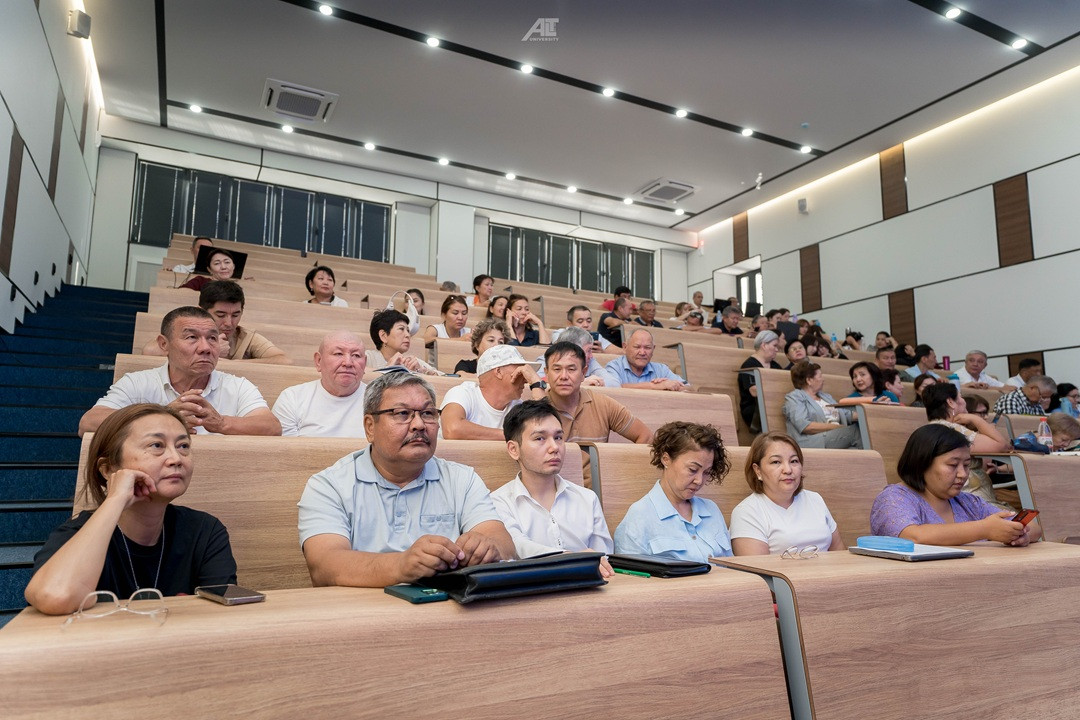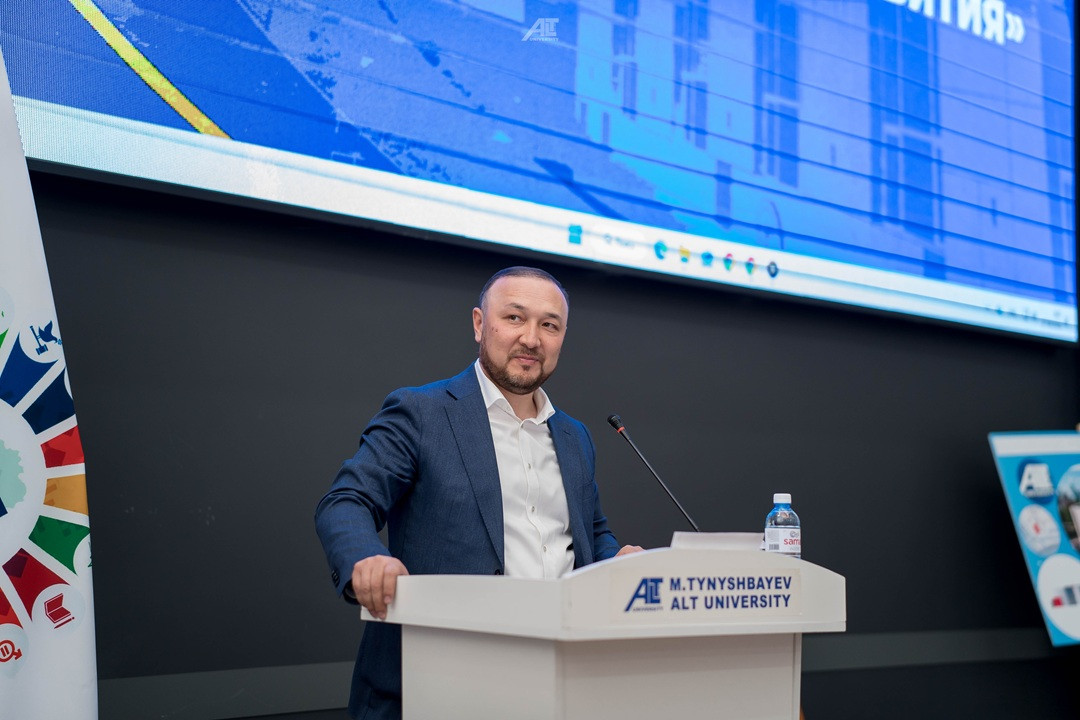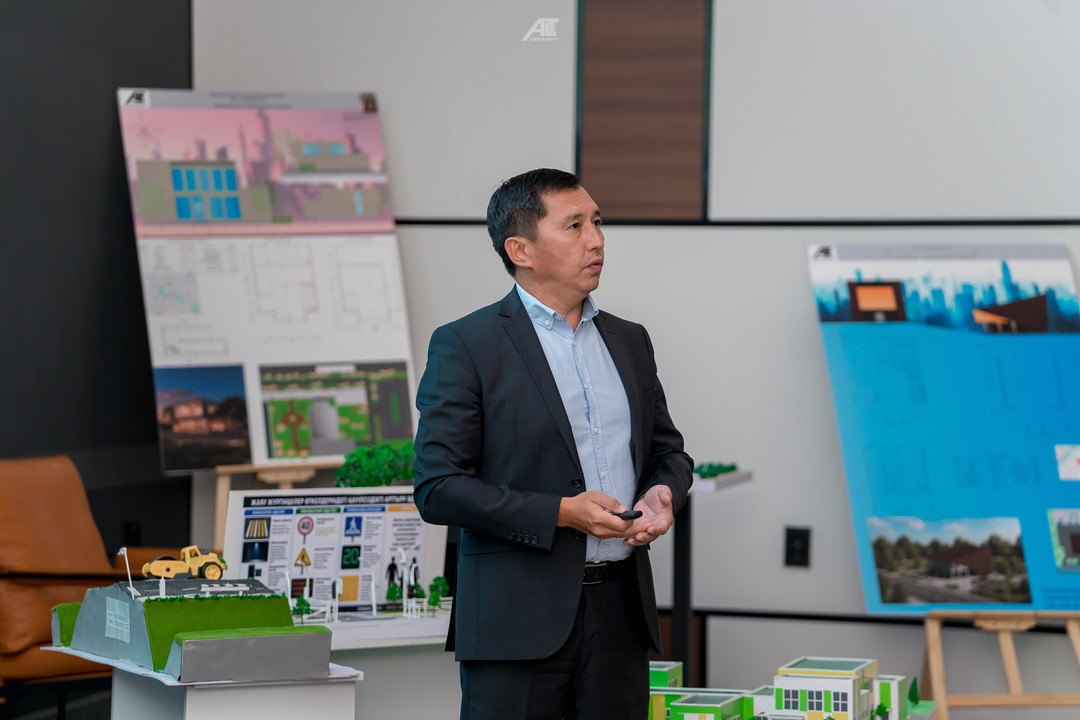
On August 27, 2026, M. Tynyshpayev ALT University hosted its Summer School for faculty and academic staff. The program brought together university educators, providing a collaborative platform to address current academic operations, professional development, and new strategic opportunities for the teaching staff.
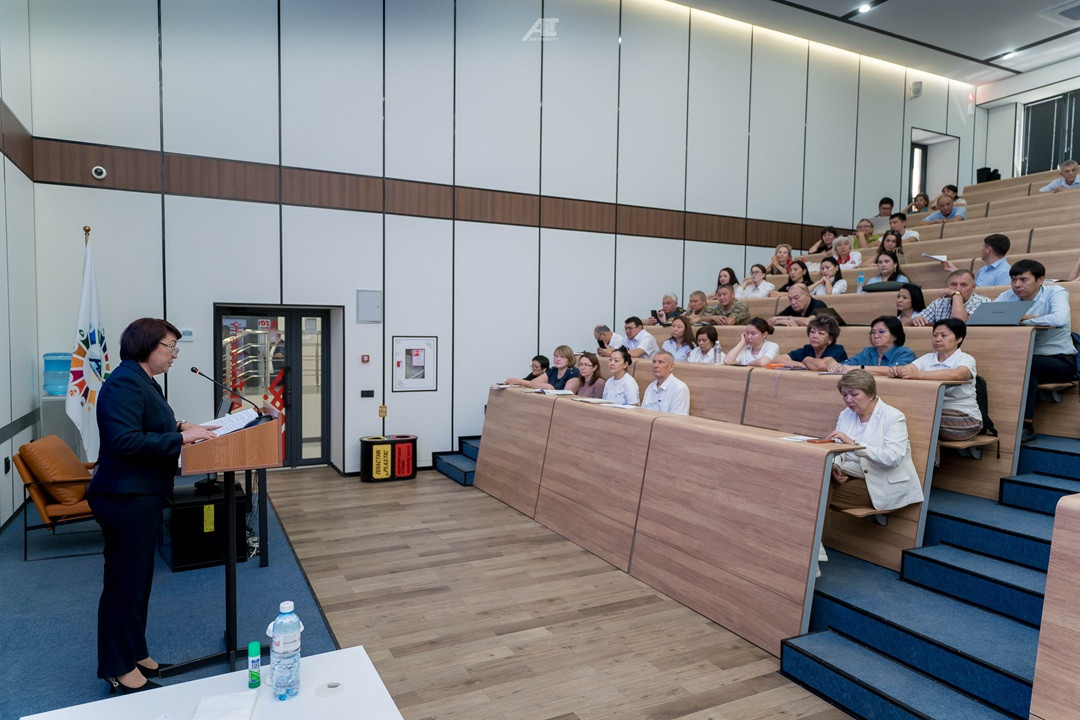
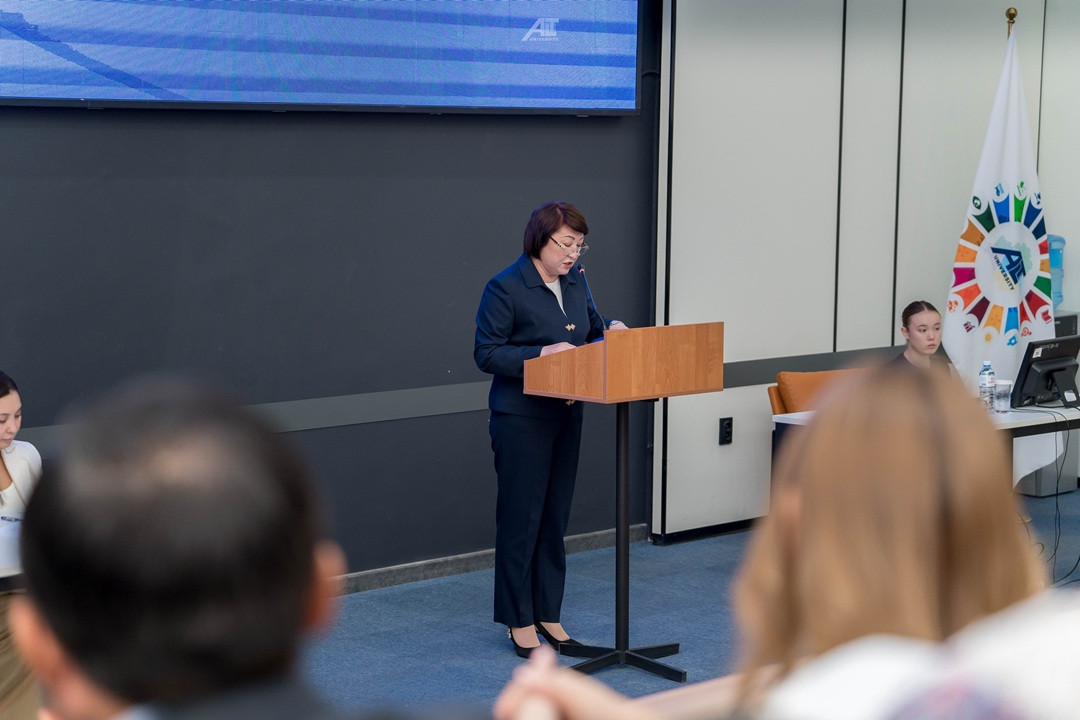
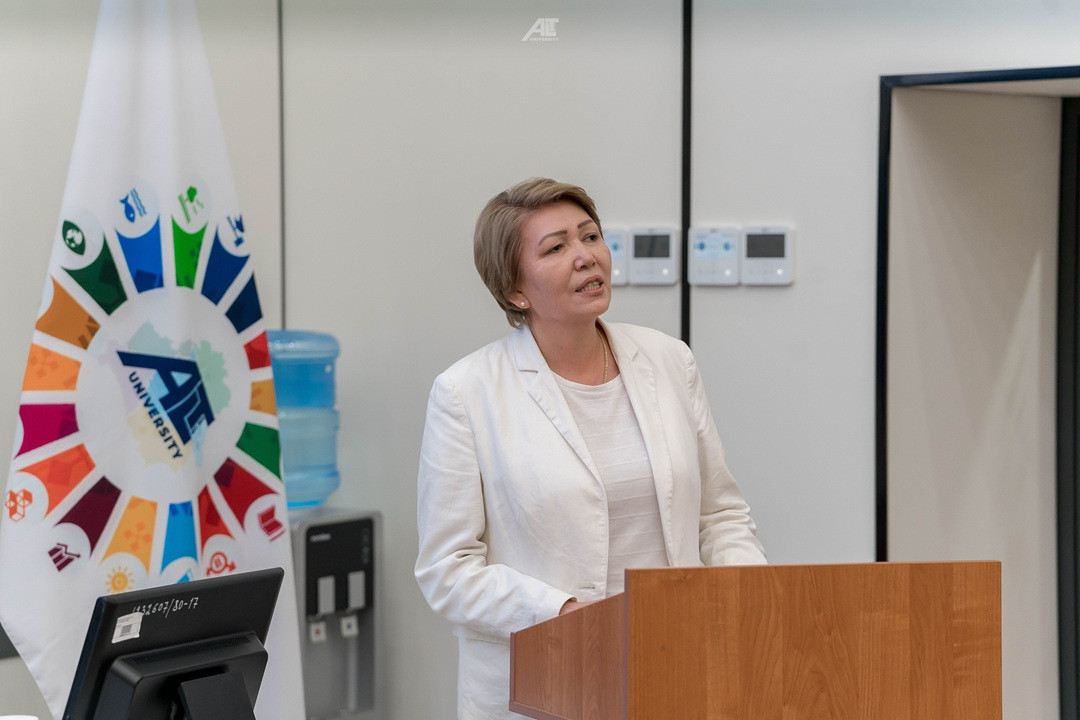
The Summer School opened with a welcoming address by Meruert Zharmagambetova, Chairman of the Board – Rector. As part of the opening ceremony, participants were introduced to a new employee onboarding framework and briefed on key organizational developments within the university.
A primary session focused on presenting the university’s updated organizational structure. Erlan Shatyrbekov, Head of the Business Processes and Methodology Office, outlined the core structural adjustments and implementation principles.
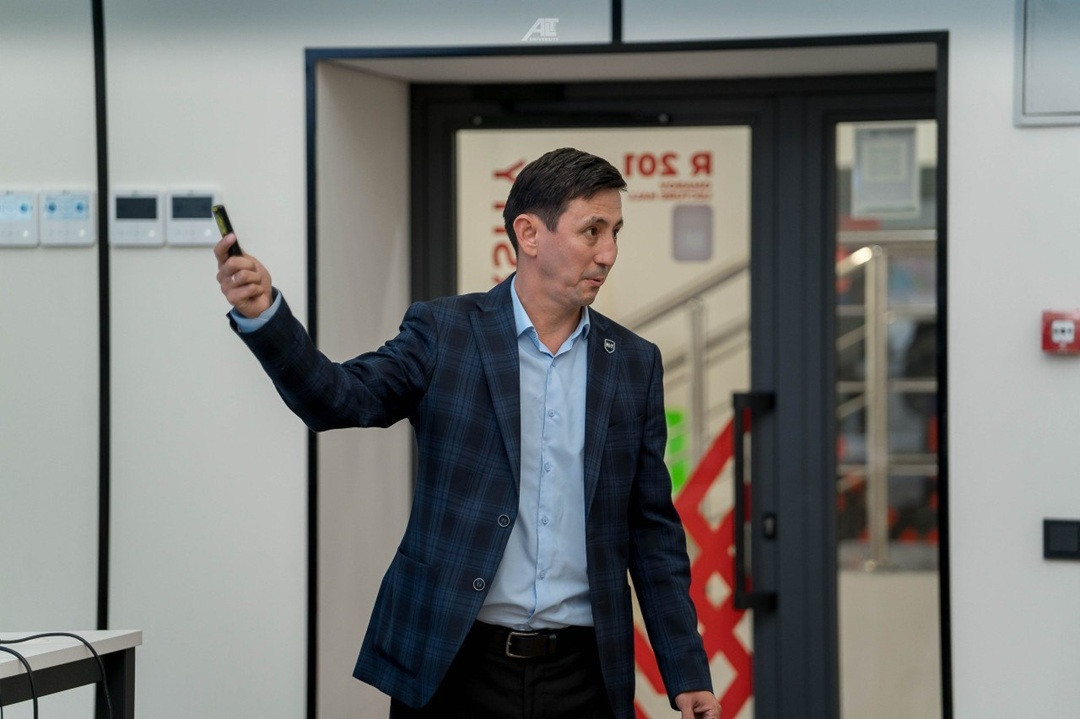
Building upon this topic, Shamil Abdreshov, Vice-Rector for Academic Affairs, delivered a presentation on Key Performance Indicators (KPIs) as tools for faculty motivation and professional growth. Participants explored methods to align performance metrics with both evaluation standards and competency-based professional development.
Academic operations were central to the program. Kymbat Balazhanova, Director of the Department of Academic Policy and Quality, introduced modernized frameworks for faculty workload distribution.
A dedicated module focused on contemporary student assessment methods. Through a case study format, Kenzhekhan Baktybaeva, Methodologist at the Department of Academic Policy and Quality, alongside Associate Professor Liliya Vakhitova, examined the transition from traditional grading to development-oriented tools designed for objective learning outcome measurement.
Saltanat Badambaeva presented an updated syllabus model incorporating modern approaches to curriculum design and instructional material delivery.
A major portion of the agenda was dedicated to research activities and international collaboration. Rabiga Khozhamkul, Informascope Consultant for Central Asia, led a practical workshop titled “Pathways to Successful Publication and Research Collaboration.”
During the session, faculty members learned to leverage Scopus and Elsevier analytical tools to identify relevant research topics, expand publication visibility, track bibliometric metrics, and establish international partnerships. Particular emphasis was placed on aligning research with the UN Sustainable Development Goals (SDGs), sourcing collaborative networks, and identifying international co-supervisors.
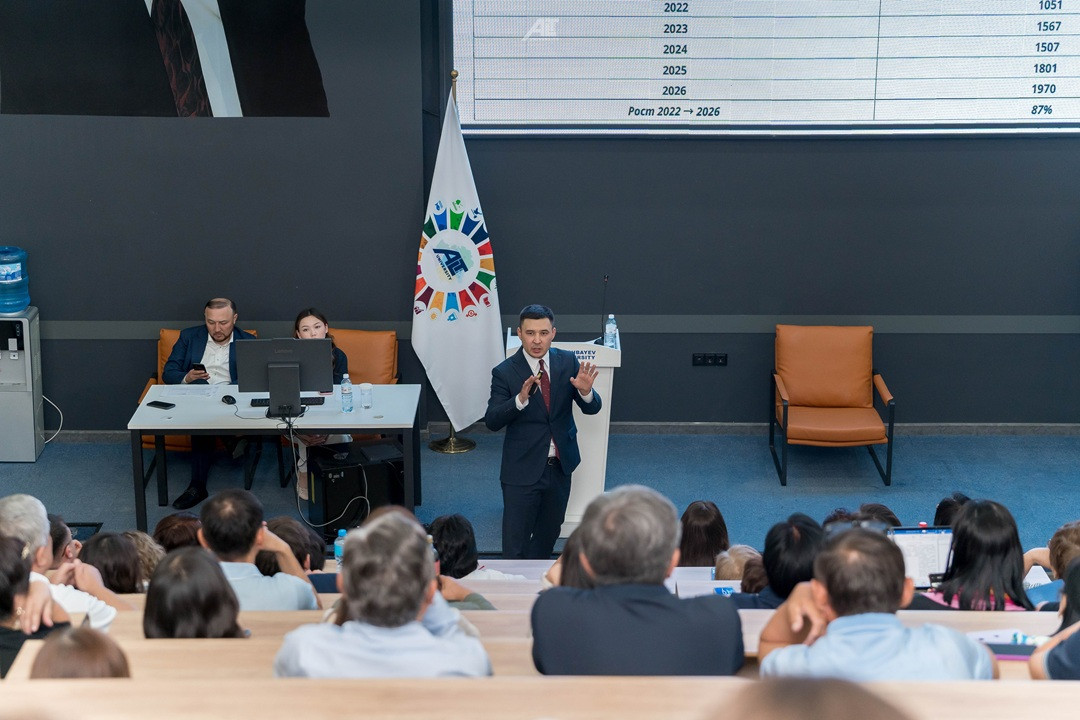
The practical agenda also featured updates on key institutional initiatives. Duman Imangaliev, Managing Director for Marketing, presented the official results of the 2026 admissions campaign.
The event concluded with a wellness module dedicated to mental health preservation. Dariya Shabdenova, Head of the Office of Inclusive Education and Mental Health, together with psychologist Sara Musina, discussed strategies for maintaining psychological well-being, emotional regulation, and fostering a supportive institutional environment.
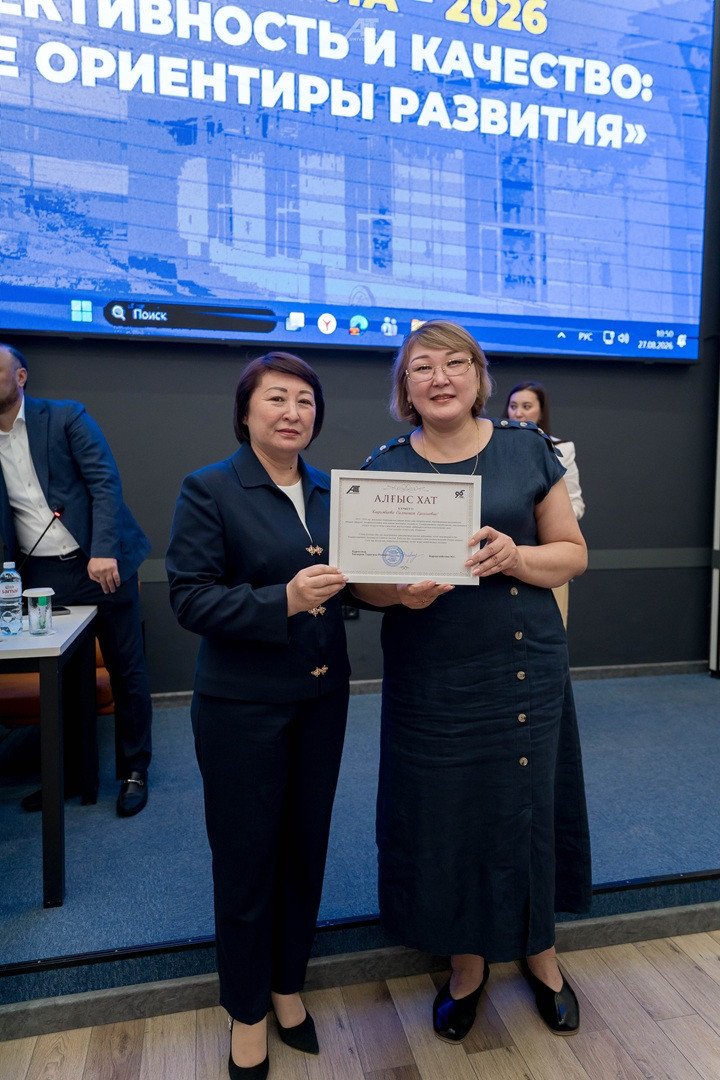
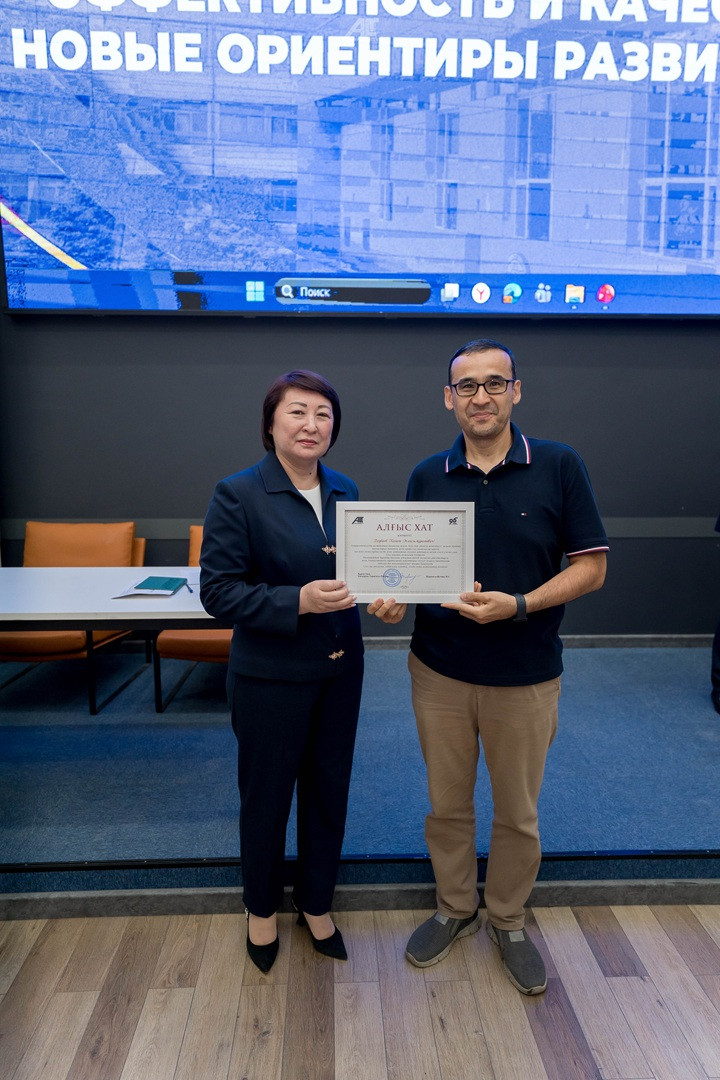
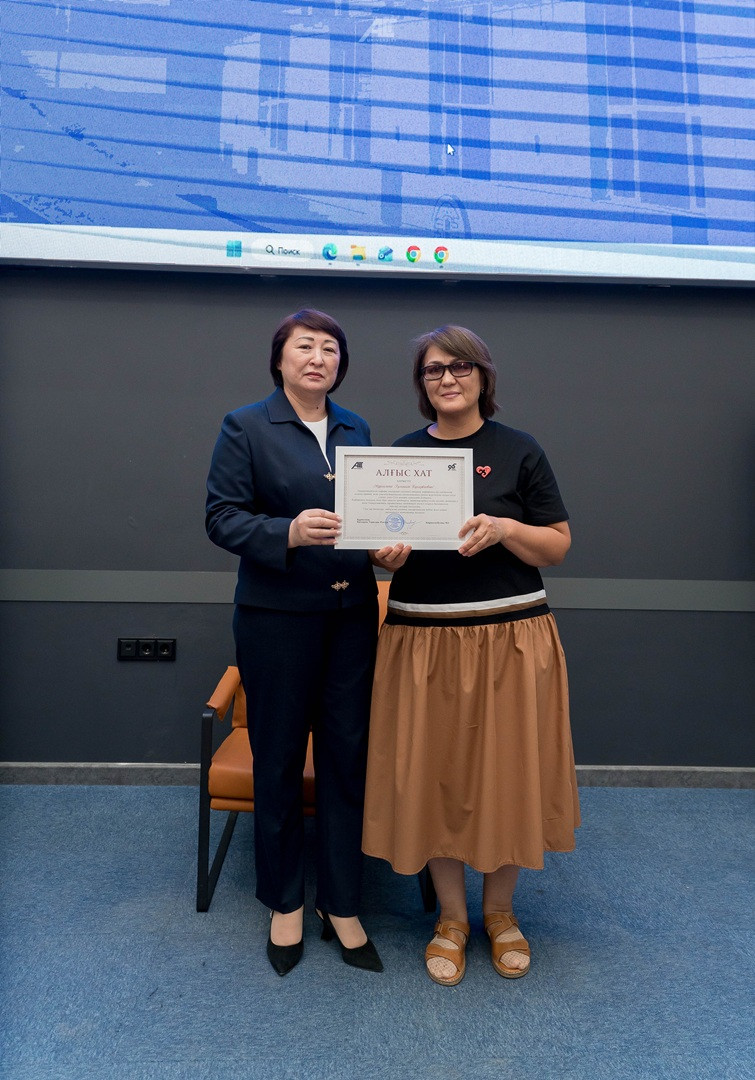
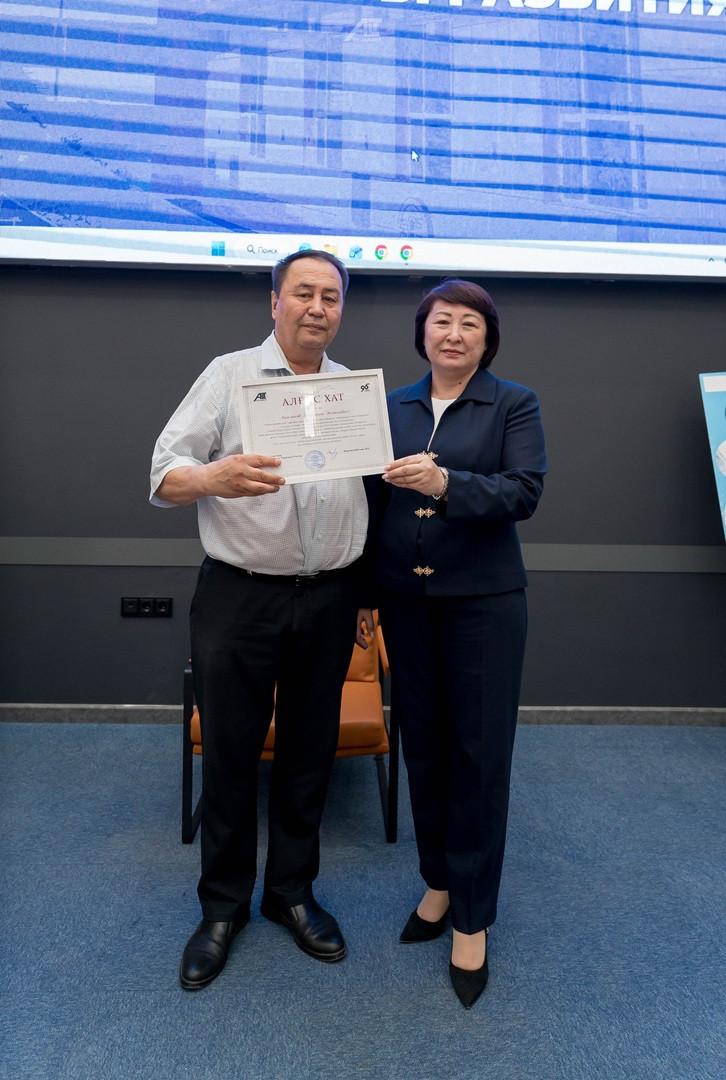
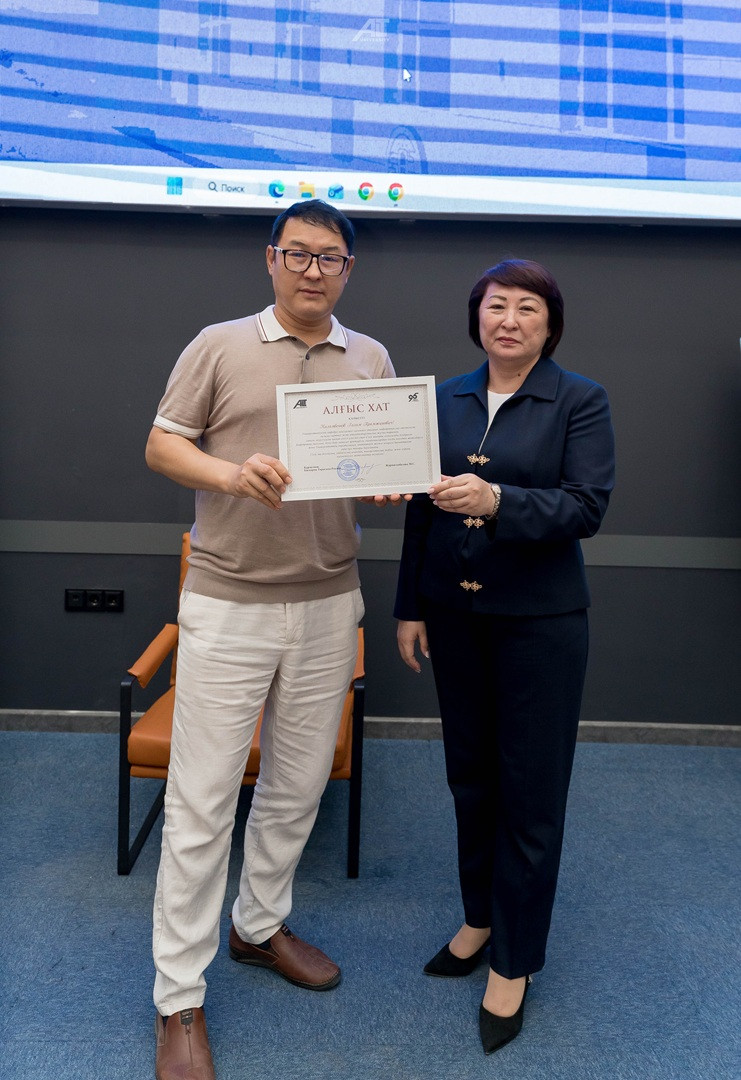
During the Summer School, ALT University faculty members were awarded Letters of Appreciation for their professional excellence, dedication, and contributions to advancing the university’s academic standards.
These commendations served as formal recognition for staff members whose initiative and commitment continue to strengthen the academic community and elevate the quality of the university’s educational environment.
We congratulate our colleagues and express our gratitude for their professionalism, engagement, and valuable contributions!
The Summer School provided faculty members with a valuable opportunity not only to learn about new institutional tools and organizational developments, but also to gain practical skills, exchange professional experience, and map out future trajectories for career growth.
Faculty development remains a cornerstone of institutional progress. ALT University continues to expand opportunities for academic staff advancement, the implementation of modern pedagogical practices, and the reinforcement of a strong academic culture.