As part of the implementation of the United Nations Sustainable Development Goals, namely SDG 3 “Good Health and Well-being,” SDG 4 “Quality Education,” SDG 10 “Reduced Inequalities,” SDG 16 “Peace, Justice and Strong Institutions,” and SDG 17 “Partnerships for the Goals,” activities were conducted to provide psychological support, prevent emotional burnout, develop communication skills, promote team building, resolve interpersonal conflicts, and create a safe, inclusive, and supportive educational environment.
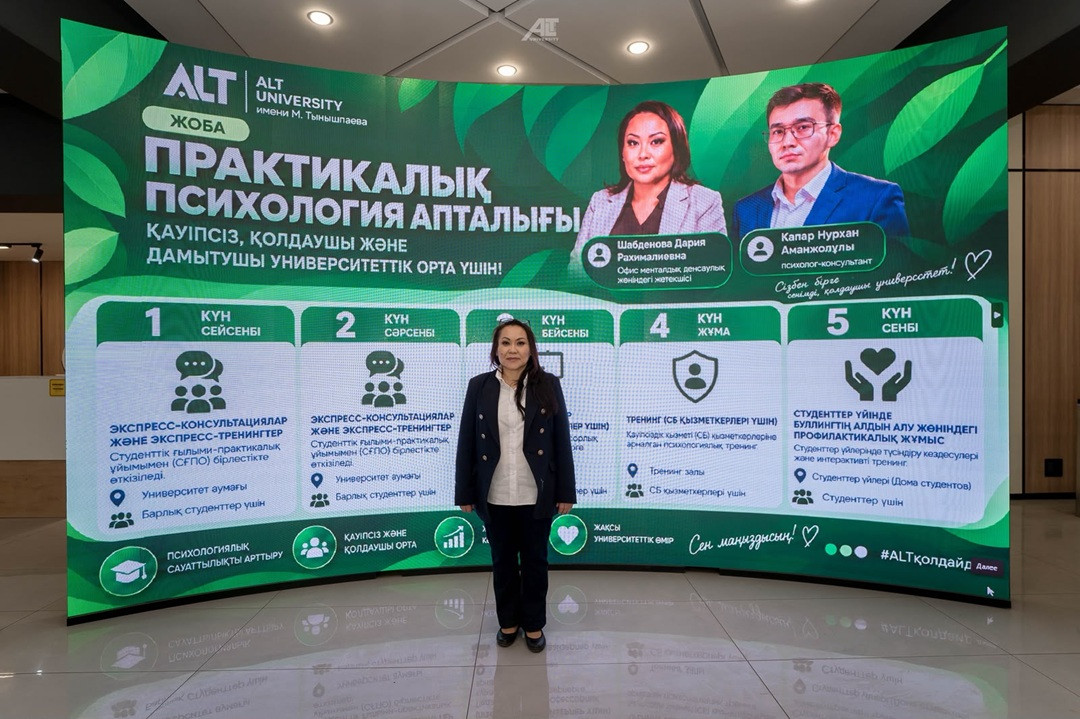
The Office of Inclusive Education and Mental Health held Practical Psychology Week—an initiative aimed at raising awareness of psychological well-being, promoting a culture of mental health care, and creating a space where everyone can receive support and gain a better understanding of themselves.
Practical Psychology Week was initiated and led by Shabdenova Dariya Rakhimaliyevna, Head of the Office of Inclusive Education and Mental Health. Organisational support for the project was provided by psychologist-consultant Qapar Nurkhan Amanzholuly.
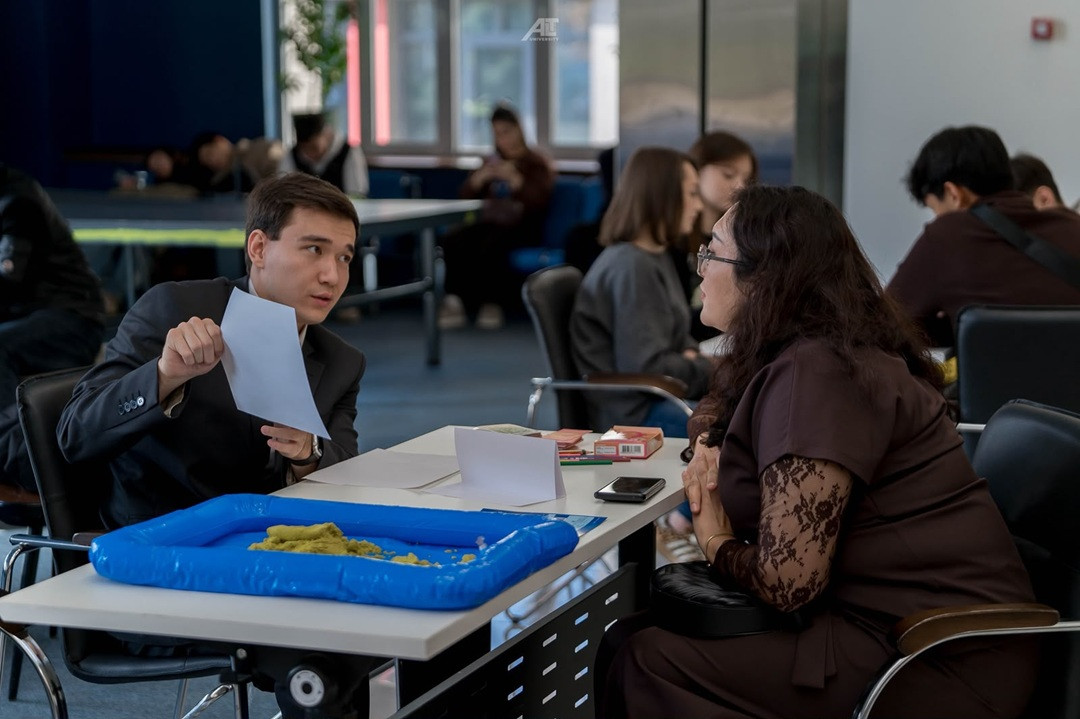
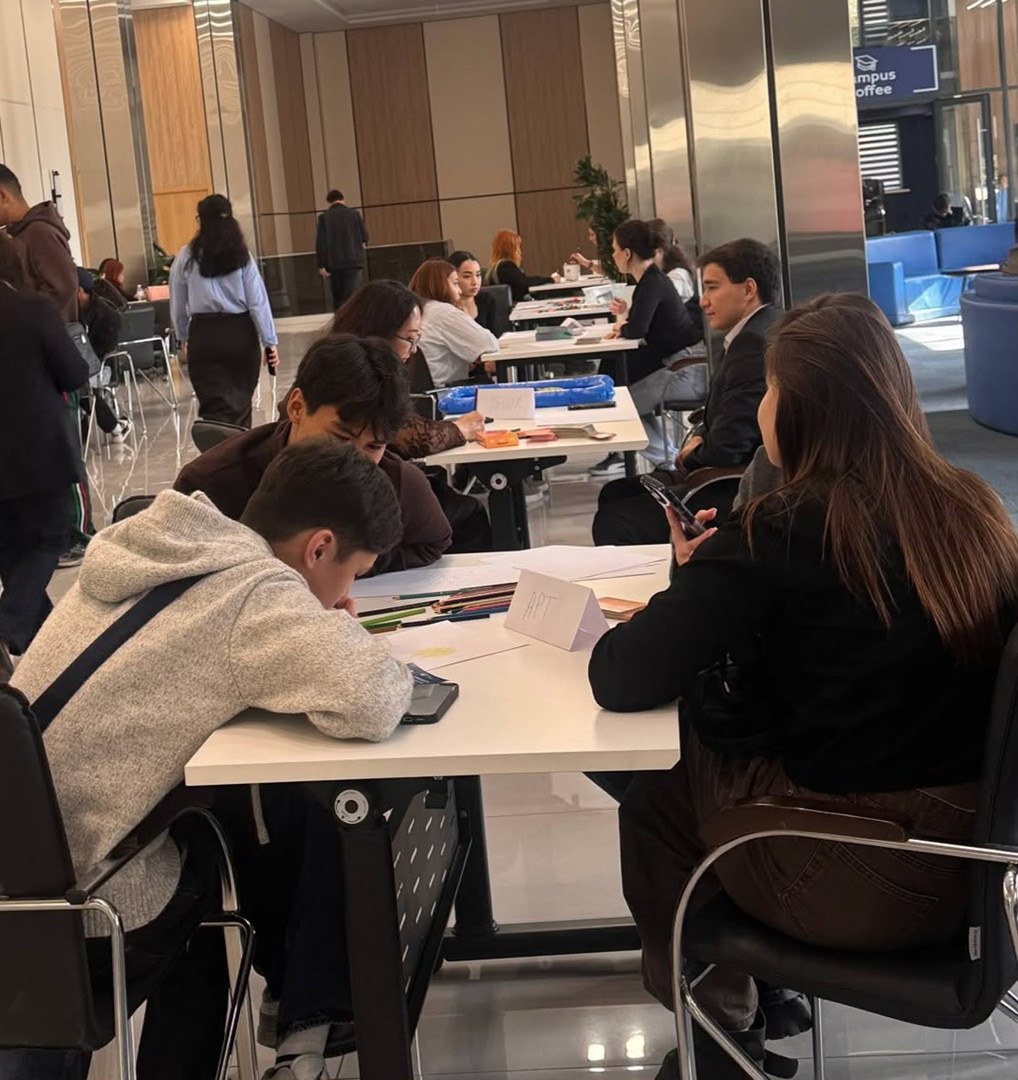
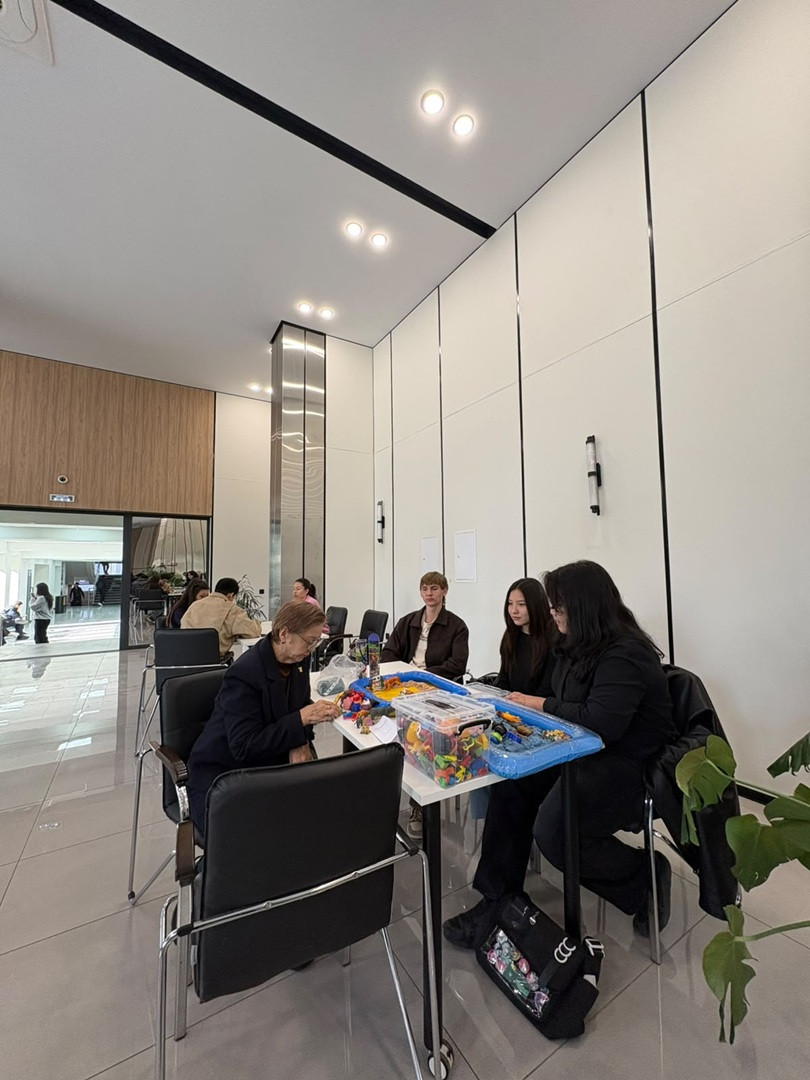
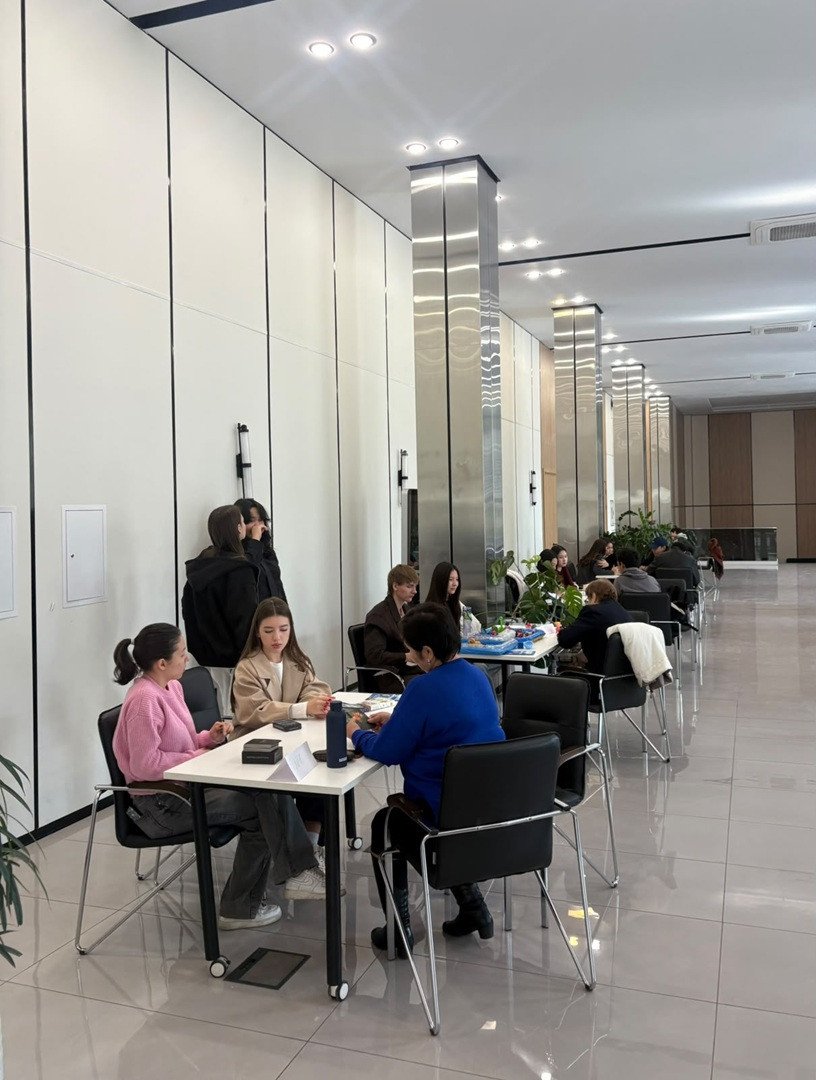
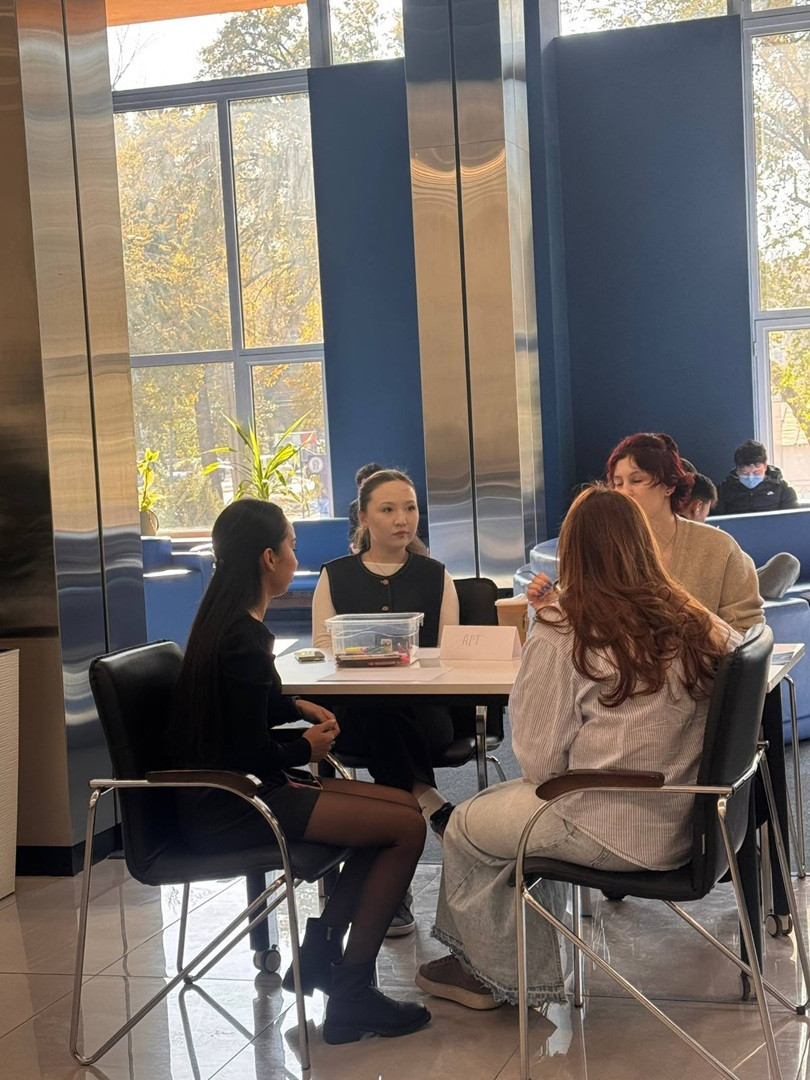
As part of Practical Psychology Week, the first two days were devoted to individual psychological consultations and express training sessions focused on improving communication skills and team building. The initiative was joined by 40 psychology interns from the Insight Student Scientific and Practical Association, led by Elena Vladimirovna Musikhina, Candidate of Pedagogical Sciences, Doctor of Psychological Sciences (Russia), Academician of the Academy of Pedagogical Sciences of Kazakhstan, Academician of the International Academy of Psychological Sciences (Russia), Director of the International Academy of Practical Psychology and Pedagogy, practising psychologist, and special education specialist. OIOiMZ and Insight jointly conducted consultations, giving participants an opportunity to seek professional support, share their feelings, and discuss matters of concern in a comfortable environment.
The sessions incorporated practical psychological methods, including art therapy, sand therapy, metaphorical associative cards (MAC), and fairy-tale therapy. These methods helped participants express their emotions, better understand their inner state, and identify personal resources for overcoming difficulties.
As part of the counseling services, support was provided for crisis situations, social anxiety, emotional burnout, family relationship issues, phobias, interpersonal conflicts, the loss of loved ones, and many other concerns.
We believe that caring for mental health begins with open dialogue, attentiveness to oneself, and a willingness to seek support. This consultation format makes it possible to address up to 40 requests per hour, identify psychological concerns, provide recommendations, and arrange further individual or group support. Therefore, Practical Psychology Week is designed to make psychological assistance more accessible and to make conversations about feelings, concerns, and one’s inner state a natural part of university life.
Participants took part in new meetings and useful activities that helped them learn more about themselves and their psychological well-being.
Practical Psychology Week is a step towards creating a university environment where every individual is valued, diversity is supported, and mental health is prioritised.
We thank all participants and specialists who contributed to Practical Psychology Week!
Author: Kapar Nurkhan, Office of Inclusive Education and Mental Health