As part of Innovation Week, ALT University hosted a master class on handwritten character recognition for the Neural Networks course. The session was conducted by Zhalgassova Alsu Yerbolovna, Teaching Assistant at the Department of Computer Science and Master of Pedagogical Sciences.
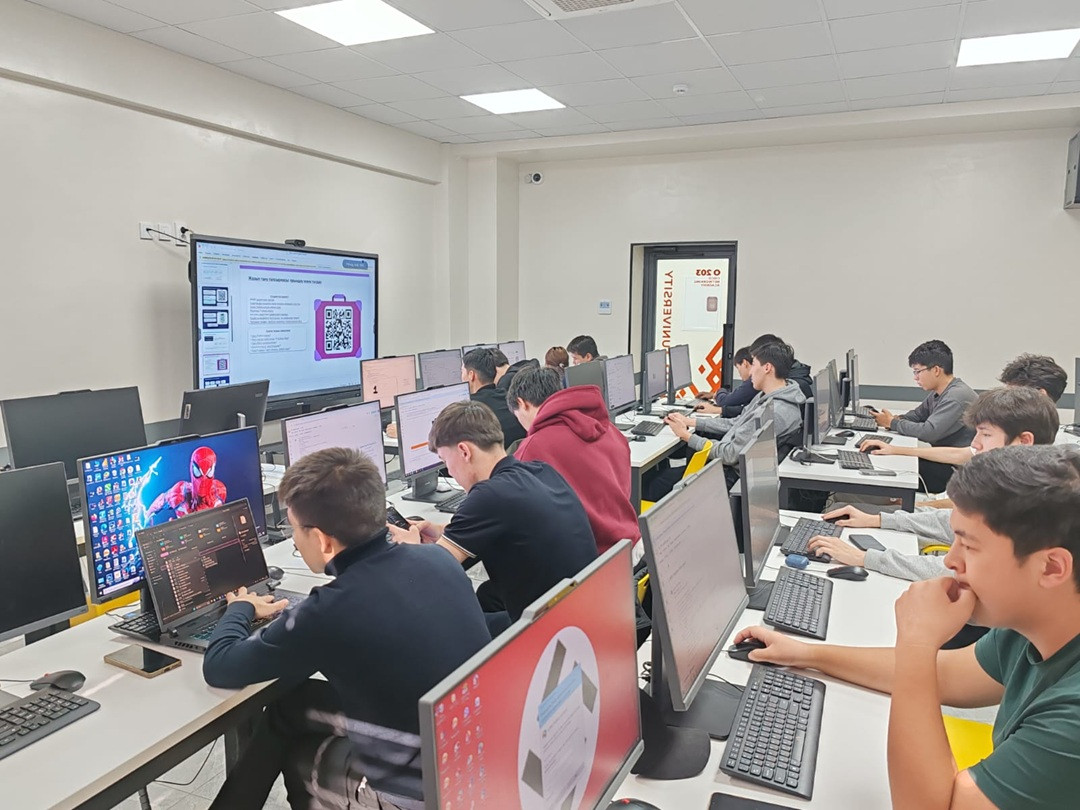
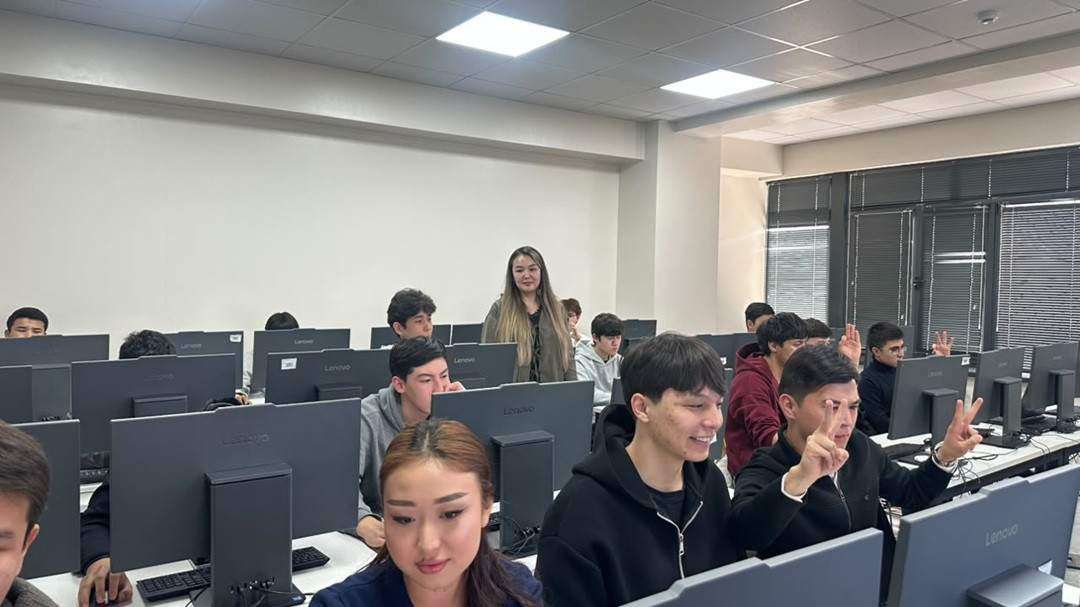
The master class brought together students from groups PI-24-1k, PI-24-2k, PI-25-1k, PI-25-2k, PI-25-3k, PI-25-4k and PI-25-5k. The session took place from 10:30 to 11:20 in room O203 (RT), Building No. 5.
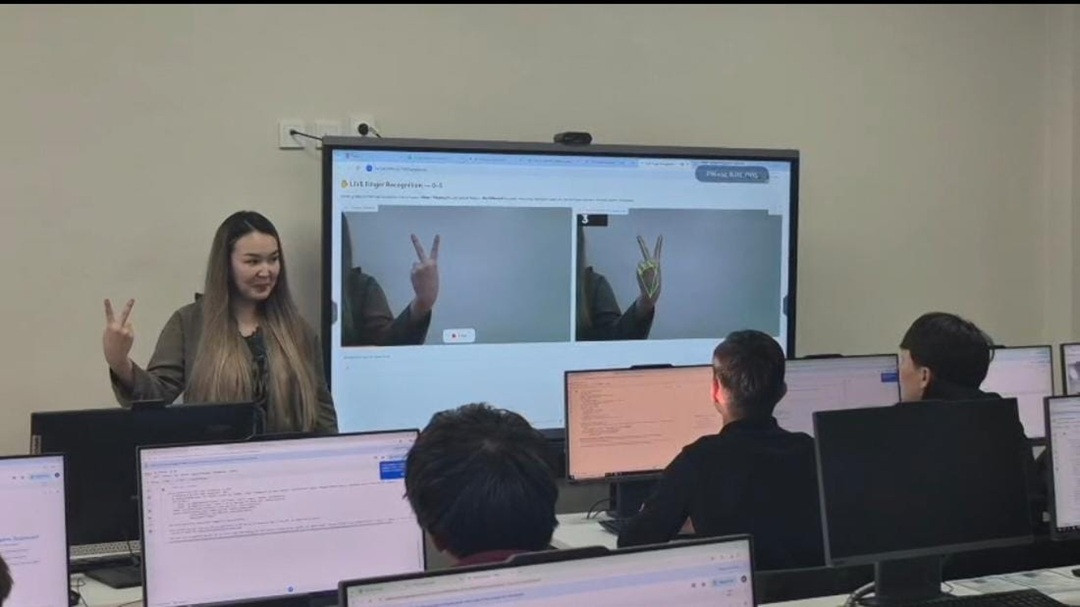
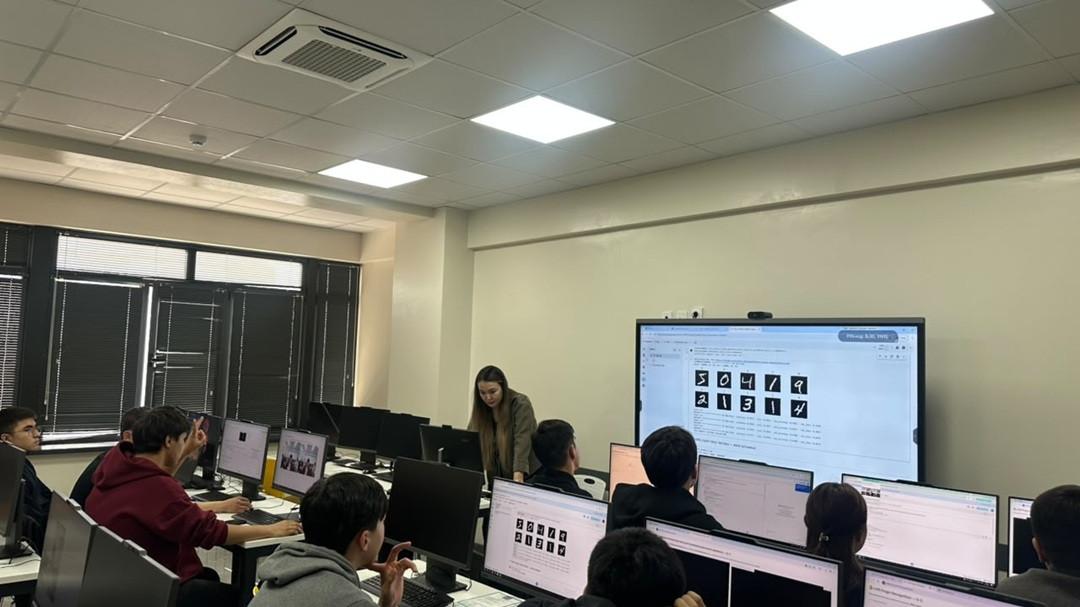
The practical work focused on recognising handwritten digits using neural networks. Students were given a ready-made dataset for identifying digits from drawings and through a camera. The work was completed in Google Colab, where the participants tested the model themselves.
During the interactive part, students drew digits in the Gradio.app interface and checked the trained model’s predictions. They changed image pixels and wrote digits in distorted and unusual forms to observe how the neural network recognised them. The participants tried to confuse the model as much as possible in order to identify the causes of errors and the limitations of recognition in practice.
Quick, Draw! was used to demonstrate how artificial intelligence recognises drawn objects. The camera-based digit recognition task was performed in real time. These experiments taught students how to work with a ready-made dataset, compare the model’s robustness under different input conditions and analyse recognition results.
The master class formed part of ALT University’s work to advance United Nations Sustainable Development Goal 4, Quality Education, and Goal 9, Industry, Innovation and Infrastructure. The session developed digital skills, provided practical experience with artificial intelligence tools and supported the use of innovative teaching methods in education.
The master class helped students understand neural network principles through practice, assess the capabilities and limitations of computer vision, and develop skills in building interactive applications based on artificial intelligence.
Author: Omirbekova Z. M.