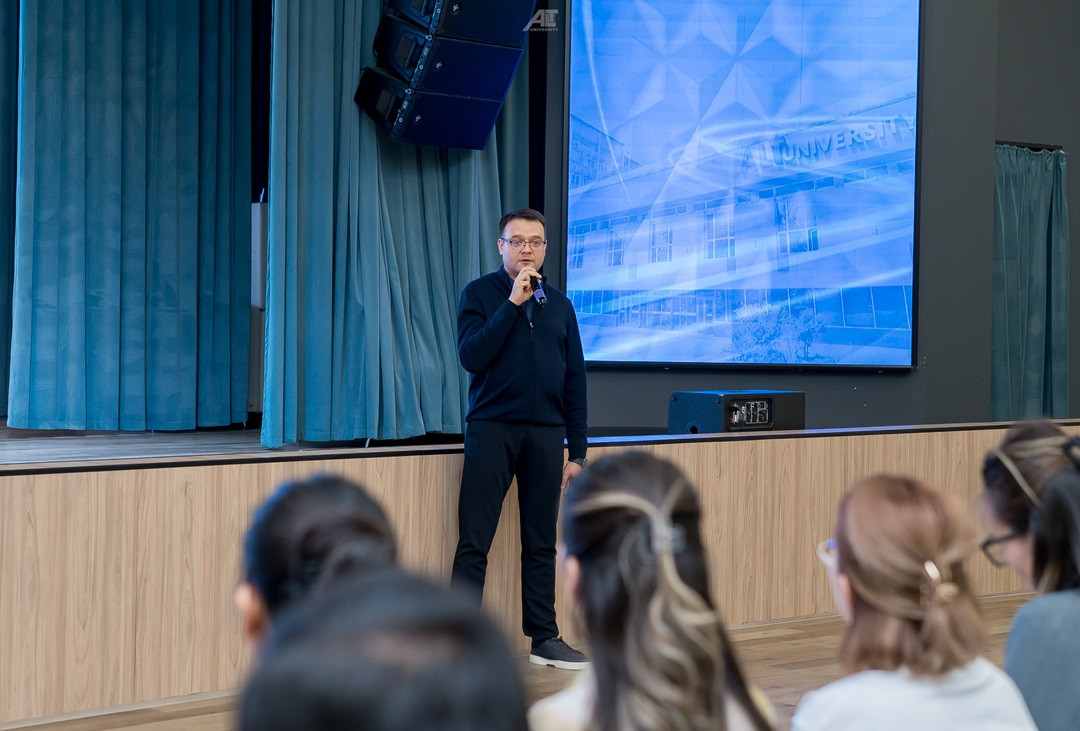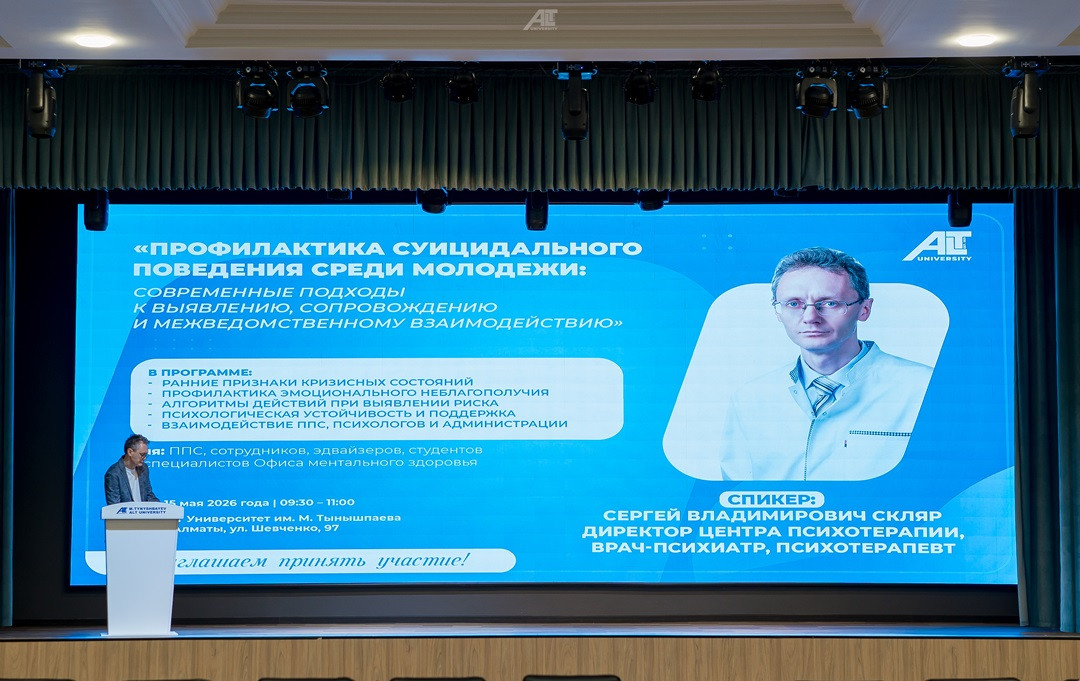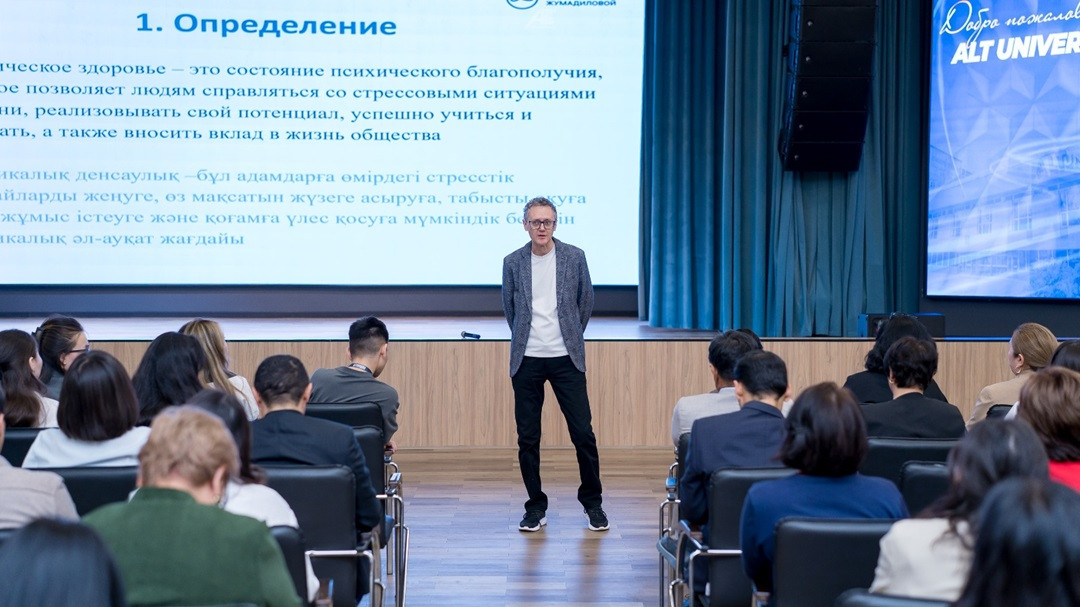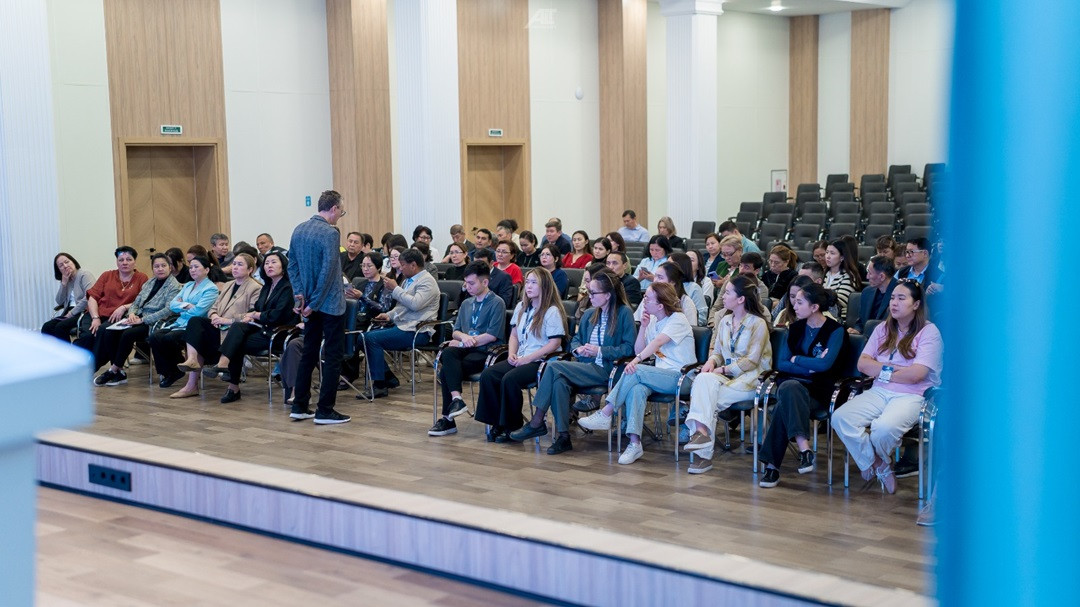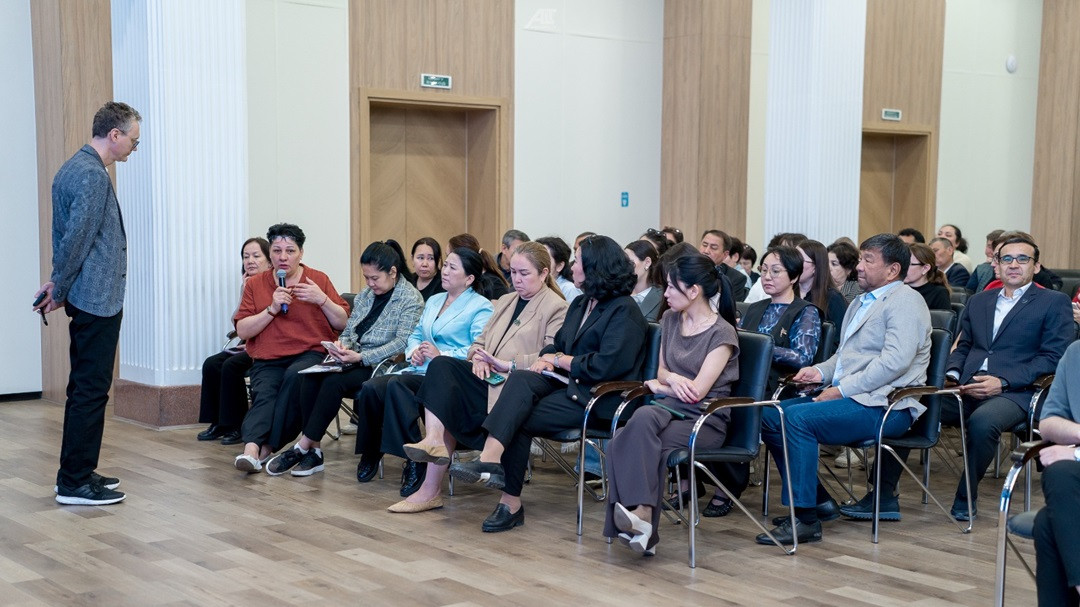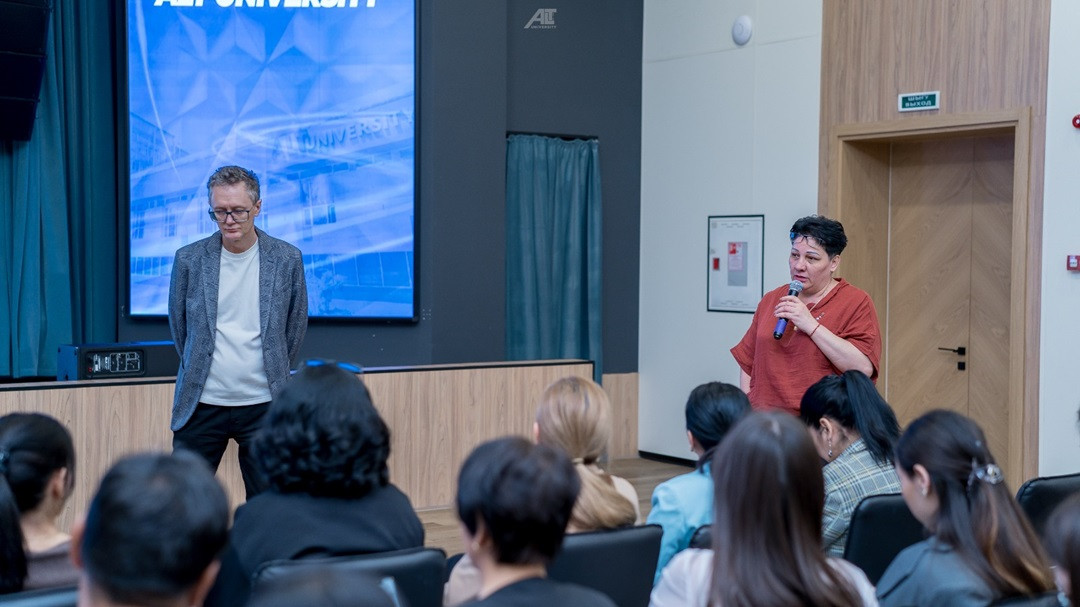
On May 15, 2026, at ALT University named after M. Tynyshpayev, within the framework of the UN Sustainable Development Goals (SDGs) aimed at promoting well-being, mental health protection, and quality education, a lecture–seminar entitled
“Prevention of Suicidal Behavior Among Youth: Modern Approaches to Identification, Support, and Interdepartmental Cooperation” was held.
The event was organized and conducted by Daria Rakhimalievna Shabdenova, Head of the Office of Inclusive Education and Mental Health, as part of preventive initiatives focused on reducing and preventing self-destructive and self-harming behavior among students.
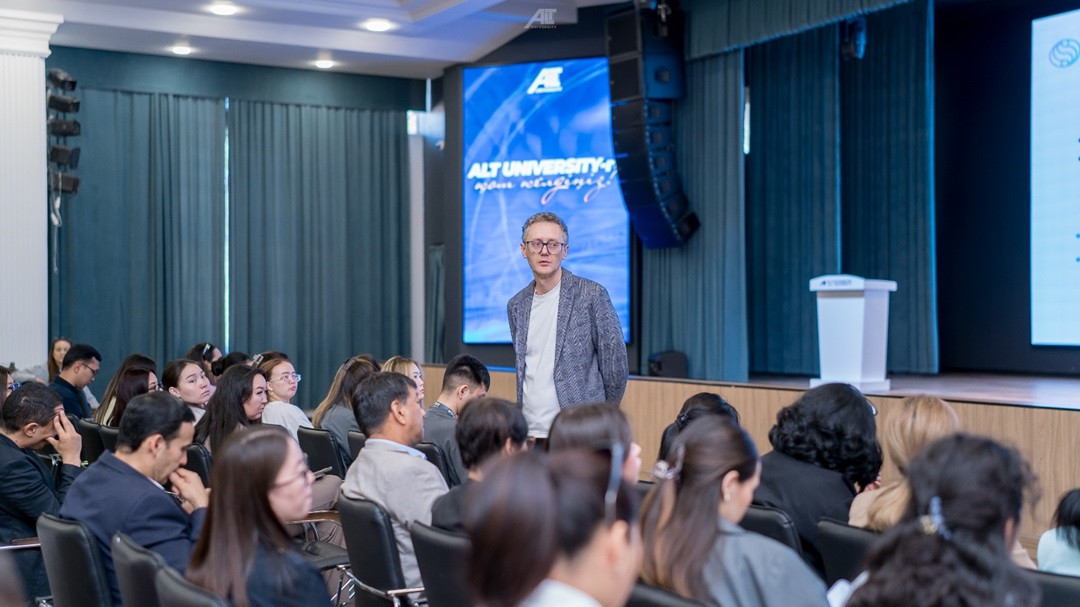
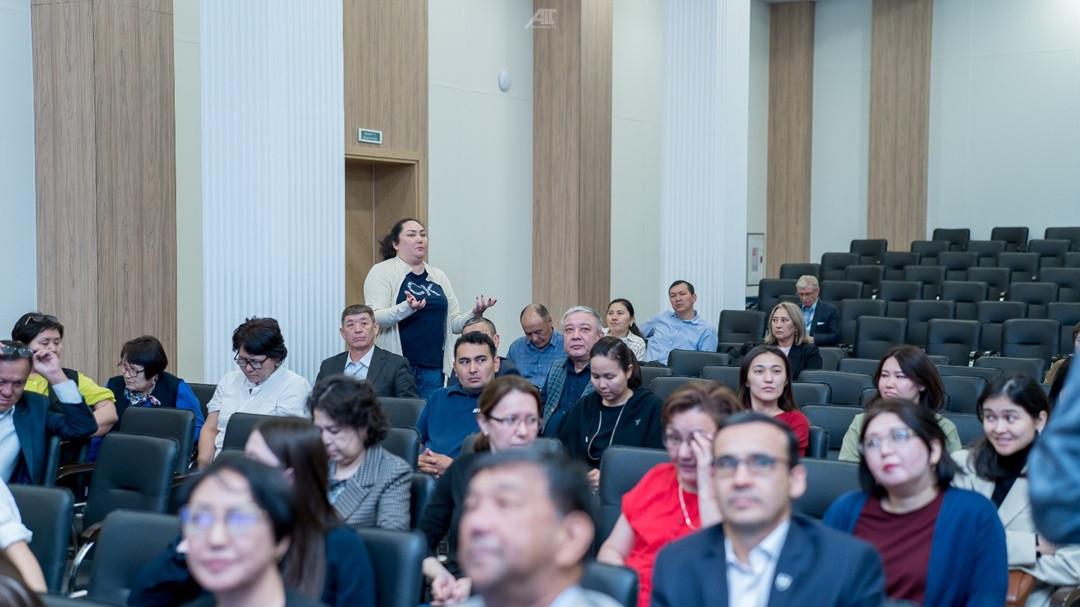
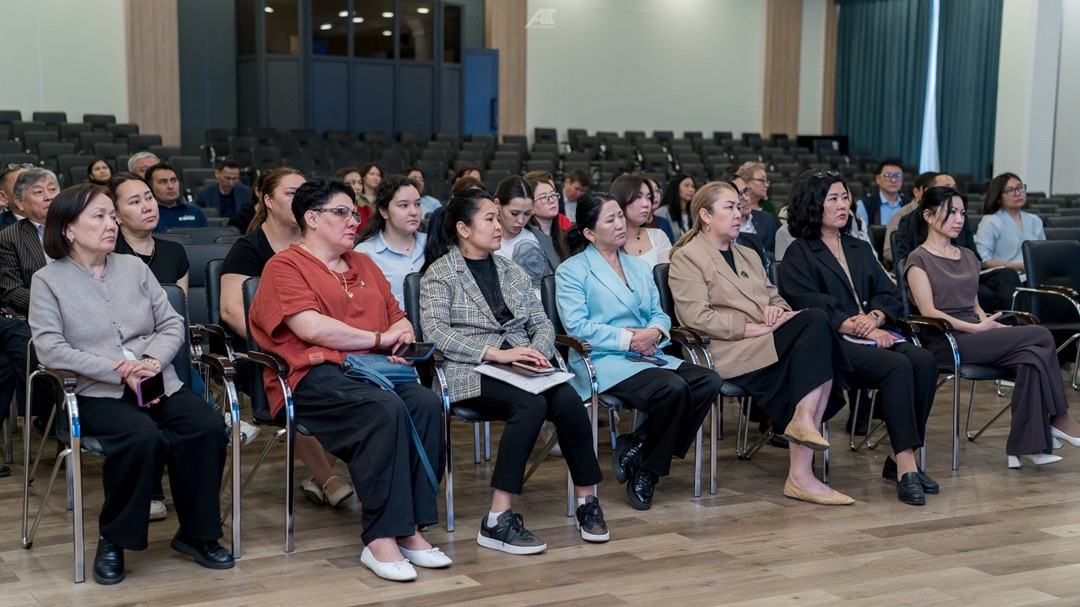
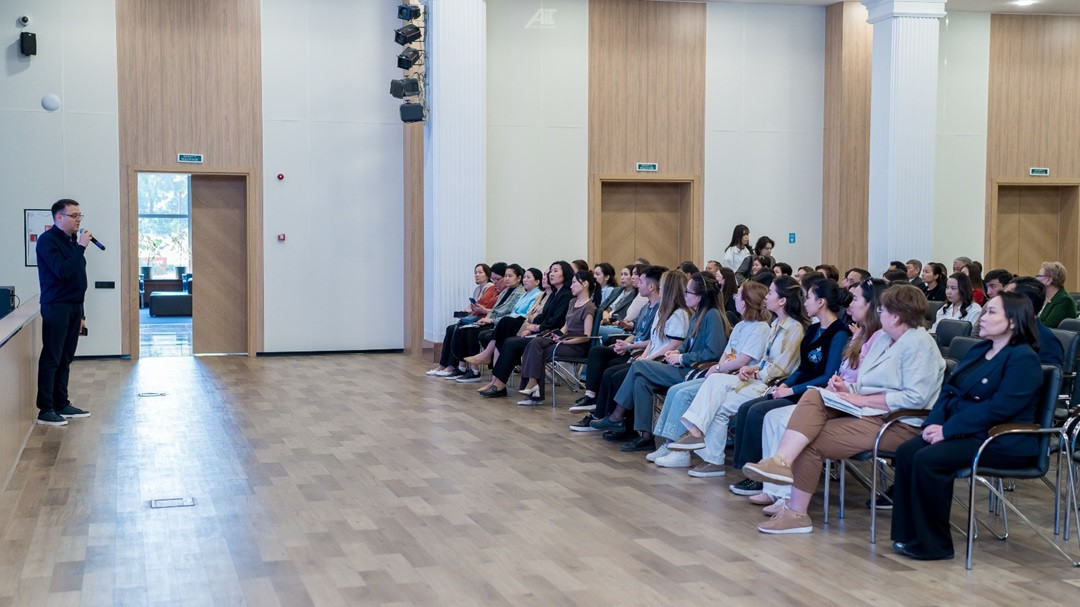
Approximately 200 participants attended the lecture–seminar, including faculty members, university staff, advisors, and representatives of student support services.
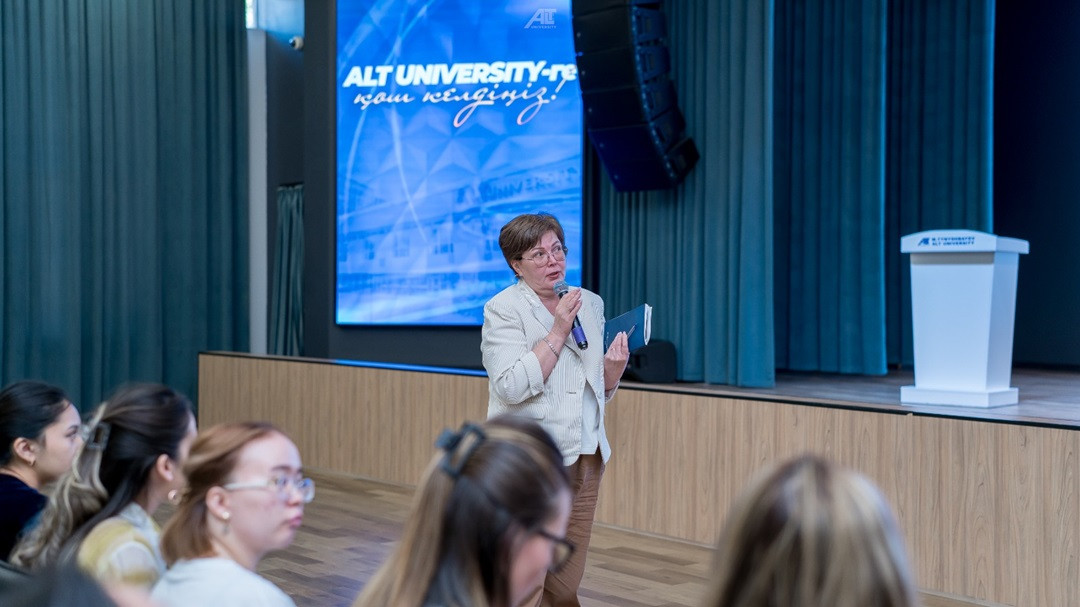
The opening remarks were delivered by Andrey Alexandrovich Ivanov, Vice-Rector for Corporate and Social Development, who emphasized the importance of systematic preventive work, early identification of psychological crisis conditions among young people, and the development of a psychologically safe educational environment.
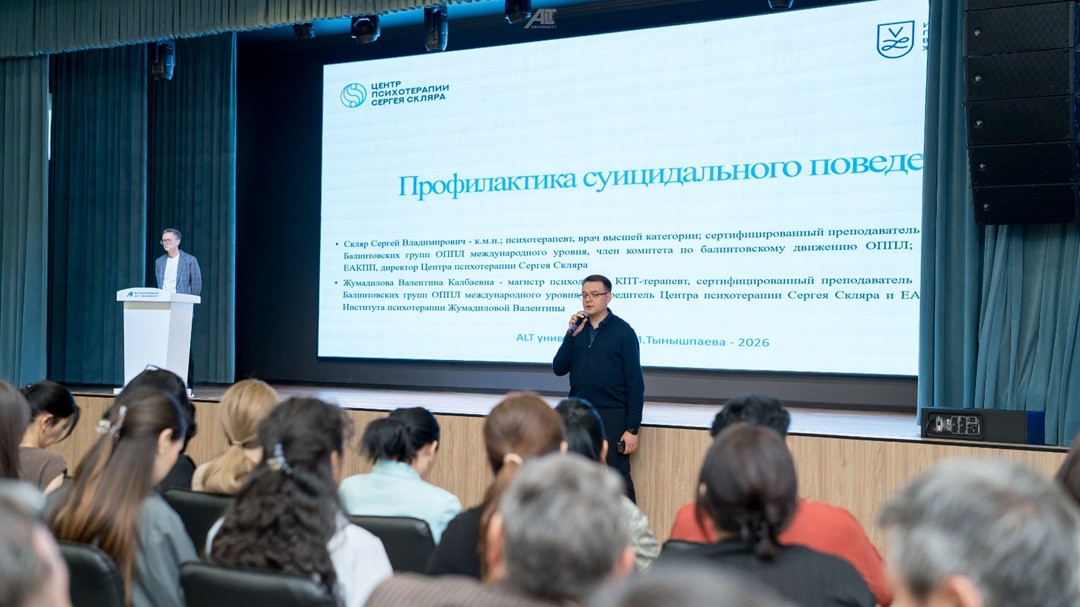
The keynote speaker was Sergey Vladimirovich Sklyar — psychiatrist, Director of the Institute of Psychotherapy, and specialist in crisis psychology, suicidology, and psychotherapy.
During the seminar, the following issues were addressed:
— contemporary risk factors contributing to suicidal and self-destructive behavior among youth;
— early signs of emotional distress and crisis conditions;
— psychological and behavioral indicators of suicide risk;
— response algorithms for faculty and staff when identifying students at risk;
— prevention of emotional burnout and strengthening psychological resilience;
— effective cooperation between psychological services, university administration, faculty, and healthcare professionals.
As a result of the seminar, faculty members and university staff acquired practical knowledge and skills in the early recognition of emotional distress, crisis states, and suicide risk indicators among students, as well as basic intervention, referral, and support strategies for timely psychological and specialized assistance.
Such psychological lecture–seminars contribute to the development of a safe educational environment, strengthening the university’s mental health support system, and promoting a culture of responsible attitudes toward mental well-being.